How to Choose the Right Diet for Your Goals

Finding the right diet can feel harder than following one. There are high-protein plans, low-carb diets, plant-based approaches, intermittent fasting, Mediterranean-style eating, and countless programs promising dramatic results. After looking at how these approaches work in real life, I think the more useful question is not which diet is best, but which diet makes sense for your particular goals, preferences, schedule, and health needs.
A diet should give you a framework for eating well, not turn every meal into a test of discipline. Whether your goal is managing your weight, improving your nutrition, supporting exercise, or simply developing healthier habits, the most effective approach is usually the one you can follow consistently without feeling miserable.
Start With the Goal
Before changing your diet, I think it helps to define what you actually want to accomplish. Losing body fat, maintaining your current weight, improving athletic performance, eating more vegetables, managing a medical condition, and simply feeling more energetic are different goals that may require different nutritional strategies.
Weight management, for example, often involves paying attention to overall energy intake while maintaining adequate protein, fiber, and essential nutrients. Someone training for a sport may need more carbohydrates and total energy than someone who is primarily focused on general health.
The clearer the goal, the easier it becomes to evaluate whether a particular diet makes sense. Without a defined objective, it is easy to jump from one popular eating plan to another without ever giving any approach enough time to become a sustainable habit.
Look at Your Current Eating Pattern
I would not begin by throwing away everything you currently eat. Start by examining your normal meals and identifying what already works.
Maybe you already eat plenty of vegetables but rely heavily on sugary drinks. Perhaps your meals contain enough protein but very little fiber. Maybe your portions are reasonable, but you eat highly processed snacks throughout the day. These details can tell you much more about what needs to change than the name of a diet.
Sometimes the best diet is simply an improved version of what you already eat. Small changes can be more sustainable than completely replacing your existing eating pattern with something unfamiliar.
Consider Your Lifestyle
A diet has to fit your actual life. If you work long hours, travel frequently, have limited cooking facilities, or eat many meals with your family, a complicated meal plan may become difficult very quickly.
Someone who enjoys cooking may have no problem preparing meals from scratch. Someone else may need quick options that can be assembled in minutes. Neither person is doing nutrition incorrectly; they simply have different practical circumstances.
I think this is one of the most overlooked parts of dieting. A theoretically excellent plan becomes useless if it repeatedly clashes with your schedule. Convenience is not a nutritional failure. It is a legitimate factor when deciding whether a diet can work long term.
Think About Foods You Actually Enjoy
Food preferences matter more than people sometimes admit. If a diet eliminates most of the foods you enjoy, following it can become an exhausting exercise in willpower.
You do not need to love every food included in a healthy diet. You do, however, need enough enjoyable options to make your meals satisfying. A diet that includes foods you genuinely like is easier to maintain than one built entirely around foods you believe you are supposed to eat.
This is also where cultural preferences matter. A healthy eating pattern does not need to resemble an American, European, or social-media version of healthy eating. Traditional foods can often be adapted to fit nutritional goals without abandoning them completely.
Decide How Much Structure You Need
Some people thrive on structure. They like having specific meals planned in advance, shopping lists prepared, and clear guidelines for what they will eat. Others become frustrated when a diet tells them exactly what they have to eat every day.
If you enjoy structure, a meal plan or defined dietary framework may make things easier. If you prefer flexibility, a broader approach such as Mediterranean-style or plant-forward eating may give you more freedom.
Neither personality type is inherently better. The important thing is recognizing which system makes healthy eating easier rather than constantly fighting against your natural habits.
Consider Your Health
General nutrition advice is not a substitute for medical care. Certain health conditions can change what someone should eat, how much they should eat, or which foods and nutrients deserve particular attention.
People with diabetes, kidney disease, gastrointestinal conditions, food allergies, or other medical concerns may need individualized guidance. Pregnancy, breastfeeding, and adolescence also involve nutritional needs that make restrictive diets particularly inappropriate without professional supervision.
This is why I would be careful with diets promoted as universal solutions. A plan that works well for one adult may be unsuitable for someone with completely different nutritional requirements.
Look Beyond Weight Loss
Weight loss is one of the most common reasons people start diets, but it is not the only outcome worth considering. A diet can also influence energy levels, digestive comfort, exercise performance, blood pressure, blood glucose, cholesterol, and overall diet quality.
I think this broader perspective can prevent people from becoming overly focused on the scale. Someone may be making significant improvements in their eating habits and physical fitness even if their weight changes slowly.
The goal should be to improve health rather than simply chase the smallest possible number. Weight can be one useful measurement, but it is not a complete picture of someone’s well-being.
Mediterranean-Style Eating
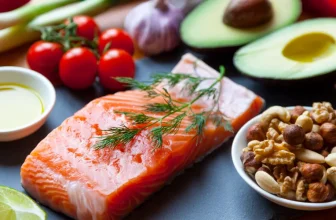
Mediterranean-style eating is a strong option for people who want a flexible approach centered around minimally processed foods. It emphasizes vegetables, fruits, legumes, whole grains, nuts, seeds, olive oil, fish, and other nutrient-rich foods.
One advantage is that it does not require eliminating entire categories of food. Meat, dairy, eggs, and other foods can fit within the broader pattern depending on personal preferences.
I also like the fact that the approach can be adapted to different cuisines. The underlying principles are more important than trying to recreate a specific Mediterranean menu.
Plant-Based Eating
Plant-based eating may appeal to people who want to increase their intake of vegetables, fruits, legumes, whole grains, nuts, and seeds. It can range from simply eating more plant foods to completely avoiding animal products.
A well-planned plant-based diet can provide many important nutrients, but people following fully vegan diets need to pay particular attention to nutrients such as vitamin B12. Protein, iron, calcium, iodine, vitamin D, and omega-3 fats may also require deliberate planning depending on the foods included.
The important thing is to build the diet around nutritious whole foods rather than assuming that anything labeled plant-based is automatically healthy.
Low-Carb Eating
Low-carb diets reduce carbohydrate-rich foods to varying degrees. Some people use them to reduce their intake of sugary foods and refined grains, while stricter versions significantly limit grains, legumes, fruit, and starchy vegetables.
A moderate reduction in refined carbohydrates can be a reasonable strategy for some people. However, carbohydrates also come from nutritious foods such as fruits, legumes, vegetables, and whole grains, so reducing them indiscriminately can make a diet less balanced.
If you prefer low-carb eating, I would focus first on reducing highly refined and sugary foods while keeping the overall diet rich in vegetables and other nutrient-dense foods.
High-Protein Eating
High-protein diets can be useful for people who exercise regularly or want meals that feel particularly satisfying. Protein can come from poultry, fish, eggs, dairy, lean meat, legumes, tofu, nuts, seeds, and other foods.
The important thing is not to let protein replace everything else. A nutritious diet still needs vegetables, fruits, fiber-rich carbohydrates, healthy fats, and sufficient overall energy.
For active people, protein can be especially relevant to muscle maintenance and recovery. However, more is not automatically better, and individual protein needs vary.
Intermittent Fasting
Intermittent fasting focuses primarily on meal timing rather than specific foods. Some people find that eating within a defined schedule makes their overall diet easier to manage.
Others may find that restricting eating periods makes them excessively focused on food or causes them to feel hungry and distracted. There is no requirement to fast in order to eat healthily or manage body weight.
I would therefore treat intermittent fasting as an optional eating pattern rather than a universal requirement. For adults considering it, the quality and adequacy of the overall diet still matter.
Pay Attention to Sustainability
One of the best questions you can ask about any diet is whether you can imagine following it six months from now. If the answer is no, that tells you something important.
A diet may produce impressive short-term results because it is extremely restrictive. But if maintaining it requires constant hunger, complicated preparation, avoiding social situations, or repeatedly starting over after breaking the rules, it may not be a sustainable solution.
I would rather see modest changes that someone can maintain for years than an extreme plan that lasts three weeks. Consistency has enormous value in nutrition.
Be Careful With Extreme Promises
Any diet promising effortless transformation deserves skepticism. Claims that a particular food burns fat, that one nutrient is responsible for all weight gain, or that a specific eating window works for absolutely everyone are usually oversimplifications.
Nutrition is influenced by individual biology, lifestyle, food environment, activity, sleep, and many other factors. Two people can follow the same diet and experience very different results.
The more dramatic the promise, the more important it is to look for credible evidence rather than relying on testimonials. A photograph, influencer story, or personal success story cannot tell you whether a diet is appropriate for you.
Test the Diet in Real Life
Once you have identified an approach that fits your goal and circumstances, give yourself an opportunity to see how it works in everyday life. Pay attention to hunger, energy, enjoyment, convenience, digestion, exercise performance, and whether you can maintain the pattern without excessive stress.
I would not judge a diet based on one difficult day. Every eating pattern will occasionally be disrupted by travel, celebrations, busy schedules, or unexpected circumstances.
Instead, look at the overall pattern. If the diet repeatedly creates problems, that is useful information. You may need to adjust the approach rather than blaming yourself for failing to follow it perfectly.
You Do Not Need a Perfect Diet
One of the biggest traps in nutrition is believing that there is a single perfect diet waiting to be discovered. In reality, there are several healthy ways to eat.
A person can eat Mediterranean-style meals, follow a plant-forward diet, eat moderate amounts of carbohydrates, prioritize protein, or combine elements from several approaches. What matters is whether the resulting diet provides adequate nutrition and supports the person’s goals.
I think this is a much healthier way to think about dieting. Instead of asking which diet wins the internet’s approval, ask which eating pattern makes nutritious choices easier in your actual life.
Final Thoughts
The right diet is not necessarily the most restrictive, popular, or complicated one. It is the approach that matches your goals while providing adequate nutrition and fitting realistically into your lifestyle.
Start by defining what you want to accomplish, look honestly at your current eating habits, and consider the foods, schedule, budget, and level of structure that work for you. From there, evaluate different approaches based on how well they solve your actual problems rather than how impressive their promises sound.
I would also leave room for adjustment. Your nutritional needs and goals can change over time, and your diet can change with them. The best eating pattern is ultimately one that helps you eat well consistently while still allowing you to enjoy your food and live your life.