How to Read Nutrition Labels Like a Pro
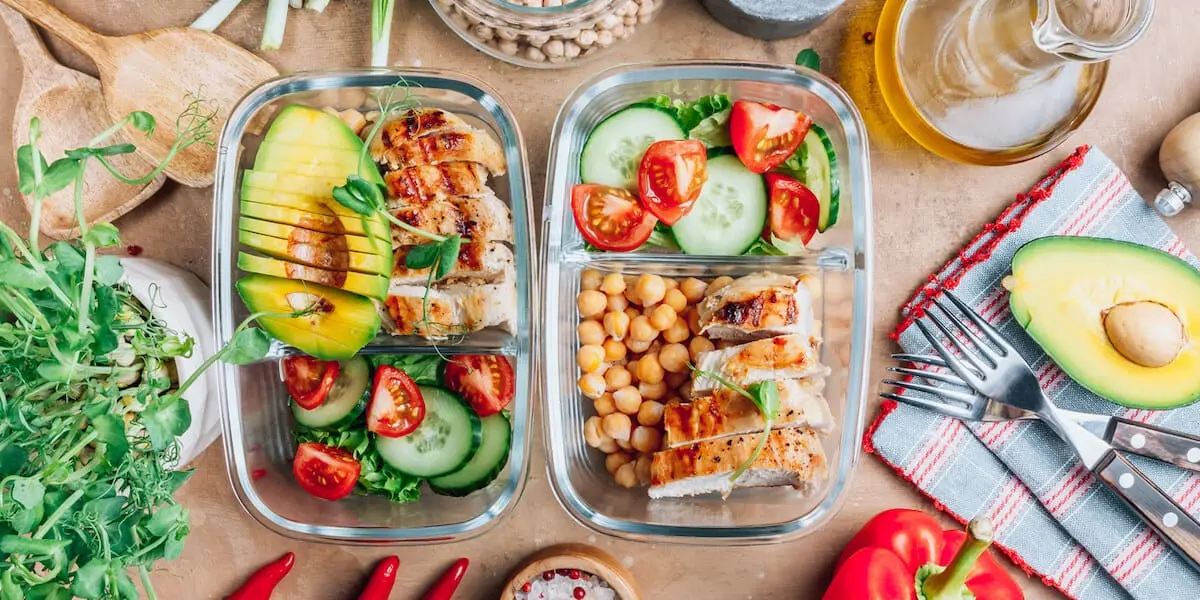
Standing in the grocery store can feel overwhelming when nearly every package claims to be healthy. Labels promising “low fat,” “natural,” “high protein,” or “light” compete for attention, making it difficult to know which products actually deserve a place in my shopping cart. I have learned that the front of the package is often designed to sell the product, while the nutrition label tells the real story.
Learning how to read nutrition labels has completely changed the way I shop. Instead of relying on colorful marketing claims, I now use the information on the back of the package to compare products and make decisions based on facts. It takes only a few seconds, but those seconds can make a significant difference to my overall nutrition and weight loss goals.
Start With the Serving Size
The first thing I look at is the serving size. This section tells me exactly how much food the nutritional information refers to. It is easy to assume that the entire package represents one serving, but many products contain two, three, or even more servings.
For example, a bag of chips might list 150 calories per serving, but if the bag contains three servings and I eat the whole thing, I have actually consumed 450 calories. That simple misunderstanding can quickly add hundreds of extra calories to my daily intake.
Checking the serving size first helps me interpret every other number on the label correctly. Without this step, the rest of the nutrition information can be misleading.
Pay Attention to Calories
Calories represent the amount of energy a food provides. While I do not obsess over every calorie, I pay attention to how many calories I am getting for the portion I plan to eat. This helps me balance my meals throughout the day without accidentally consuming far more energy than my body needs.
I also think about whether the calories come from nutritious ingredients. A food containing 250 calories from lean protein, whole grains, and vegetables offers much more nutritional value than 250 calories from sugary snacks or highly processed foods.
Calories matter, but they should always be considered alongside the overall nutritional quality of the food.
Look at the Protein Content
Protein is one of the nutrients I value most because it supports muscle maintenance and helps keep me full between meals. Whenever I compare similar products, I often choose the one that provides more protein without adding excessive calories or sugar.
Greek yogurt, cottage cheese, lean meats, beans, lentils, and certain whole-grain products are excellent examples of foods that naturally contain meaningful amounts of protein. Even packaged foods can vary significantly, making the nutrition label useful for comparisons.
Higher protein foods often provide greater satisfaction after eating. That makes it easier to control hunger and reduce unnecessary snacking later in the day.
Check the Fiber
Fiber is another number I never ignore. Foods rich in fiber help support digestion, improve fullness, and contribute to steady blood sugar levels. Unfortunately, many processed foods contain very little fiber despite appearing healthy at first glance.
Whole grains, beans, vegetables, fruit, nuts, and seeds naturally provide higher amounts of fiber. When comparing cereals, breads, or snack foods, I generally prefer the option with more fiber because it usually offers greater nutritional value.
Increasing fiber intake also supports long-term heart health and digestive function. It is one of the easiest ways to improve the overall quality of my diet.
Watch for Added Sugars
Not all sugar is the same. Fruit and dairy products naturally contain sugars alongside valuable nutrients, but added sugars contribute calories without offering much nutritional benefit. That is why I pay close attention to the added sugar section whenever I buy packaged foods.
Breakfast cereals, flavored yogurts, granola bars, sauces, and beverages often contain surprisingly high amounts of added sugar. Even products marketed as healthy can include more sugar than expected.
I do not avoid sugar completely, but I try to keep added sugars reasonably low. Reducing them helps manage calorie intake while avoiding unnecessary spikes in blood sugar.
Consider the Type of Fat
Fat is an essential nutrient, but the type of fat matters more than simply looking at the total amount. I pay particular attention to saturated fat while aiming to include more foods that contain healthy unsaturated fats.
Foods such as avocados, nuts, seeds, olive oil, and fatty fish provide beneficial fats that support heart health and hormone production. Highly processed foods often contain larger amounts of saturated fat and should generally be eaten in moderation.
Rather than fearing all fat, I focus on choosing higher-quality sources that contribute to a balanced diet.
Keep an Eye on Sodium
Sodium is necessary for normal body function, but many packaged foods contain far more than I realize. Canned soups, frozen meals, processed meats, sauces, and snack foods are common sources of excessive sodium.
Consistently consuming large amounts of sodium can contribute to high blood pressure in some individuals and may also cause temporary water retention. Comparing similar products often reveals lower-sodium options that taste just as good.
Preparing more meals at home also gives me greater control over how much sodium I consume. Fresh ingredients naturally contain much less sodium than many processed alternatives.
Read the Ingredient List
The ingredient list provides valuable information about what is actually inside the product. Ingredients are listed in order from the largest amount to the smallest, so the first few items usually make up most of the food.
I generally look for products with recognizable ingredients and shorter ingredient lists whenever possible. Whole grains, oats, beans, vegetables, fruit, nuts, seeds, and lean protein sources are usually signs of a more nutritious product.
A long ingredient list does not automatically mean a food is unhealthy, but reading it helps me understand what I am really buying rather than relying solely on advertising claims.
Don’t Be Misled by Marketing Claims
Food companies use attractive phrases to encourage purchases, but these claims do not always reflect the overall nutritional quality of the product. Words like “natural,” “multigrain,” “low fat,” “gluten-free,” or “made with whole grains” can create a healthy image even when the product contains large amounts of added sugar or refined ingredients.
I have learned to treat these claims as invitations to investigate rather than reasons to buy. The nutrition label and ingredient list provide much more reliable information than the front of the package.
Looking beyond marketing helps me avoid paying extra for products that offer little nutritional advantage over less expensive alternatives.
Compare Similar Products
One of the easiest ways to improve my grocery shopping is by comparing two or three similar products before making a decision. Nutrition labels make these comparisons quick and straightforward.
For example, two brands of whole-grain bread may contain similar calories, but one could provide significantly more fiber and protein with less added sugar and sodium. Those small differences add up over time.
Taking a few extra moments to compare labels helps me consistently select foods that better support my health and weight management goals.
Think About the Whole Diet
No single food determines whether my diet is healthy or unhealthy. I avoid labeling foods as completely good or completely bad because overall eating patterns matter much more than individual choices.
Reading nutrition labels helps me make informed decisions, but I also remember that flexibility is part of a balanced lifestyle. Enjoying occasional treats while building most meals around nutritious foods creates a sustainable approach that I can maintain for years.
The goal is not perfection. It is making slightly better decisions each time I shop until those decisions become second nature.
Conclusion
Learning how to read nutrition labels like a pro has made grocery shopping much less confusing. Instead of relying on marketing claims, I focus on serving sizes, calories, protein, fiber, added sugars, fats, sodium, and ingredient lists to understand exactly what I am buying. These details help me compare products and make choices that support both my health and my weight loss goals.
The more often I read nutrition labels, the faster and easier the process becomes. Over time, those small decisions lead to healthier shopping habits, better meals, and a stronger foundation for long-term success. Rather than searching for perfect foods, I simply aim to make informed choices that fit into a balanced and sustainable lifestyle.