Mediterranean Diet Beginner’s Guide
I have always found the most useful nutrition plans to be the ones that make sense at the dinner table. A diet can look impressive on paper, but if it requires unusual ingredients, complicated recipes, or constant calculations, it becomes difficult to maintain once real life gets busy. The Mediterranean diet stands out because its foundation is remarkably simple: eat more whole foods, make plants a bigger part of your meals, use healthy fats, and treat heavily processed foods as occasional rather than everyday staples.
What makes the Mediterranean diet particularly appealing to me is that it does not feel like a traditional diet built around deprivation. Instead, it gives you a framework for building satisfying meals from foods that have been enjoyed for generations across countries bordering the Mediterranean Sea. If you are completely new to the approach, this Mediterranean Diet Beginner’s Guide will walk you through what to eat, what to limit, how to build your meals, and how to make the transition without turning your kitchen upside down.
What the Mediterranean Diet Actually Means
The Mediterranean diet is less of a rigid meal plan and more of an eating pattern. There is no single official Mediterranean menu because eating habits differ between Greece, Italy, Spain, southern France and other Mediterranean regions. What they share is an emphasis on vegetables, fruits, legumes, whole grains, nuts, seeds, olive oil, herbs and other minimally processed foods.
I like this distinction because it removes some of the pressure people put on themselves when they begin. You do not need to reproduce a specific Greek lunch or eat the same seven foods repeatedly to follow the diet. The goal is to shift the overall balance of your meals toward nutritious, minimally processed ingredients while making foods such as fish, poultry, eggs and dairy part of the pattern in sensible amounts.
Another important point is that the Mediterranean diet is not simply an olive-oil diet or a vegetable diet. It is a broader pattern that combines food quality, variety and eating habits. Meals are often built around plants, with protein and healthy fats complementing them rather than having highly processed foods dominate the plate.
The Foods That Form the Foundation
Vegetables are one of the easiest places to start. Tomatoes, spinach, kale, peppers, onions, carrots, broccoli, eggplant, cucumbers and leafy greens can all fit naturally into Mediterranean-style meals. I find that vegetables become much easier to eat consistently when they are treated as actual ingredients in a meal rather than something placed reluctantly on the side.
Fruit also plays an important role. Apples, oranges, berries, bananas, grapes, peaches and other seasonal fruits can provide sweetness while contributing fiber and micronutrients. Rather than treating fruit as something that needs to be earned or carefully restricted, the Mediterranean pattern generally treats whole fruit as a normal part of eating.
Legumes deserve special attention because they are one of the most practical foods in this style of eating. Beans, lentils, chickpeas and peas provide fiber, carbohydrates and plant protein, and they can make inexpensive meals much more filling. I particularly like them for beginners because they can be added to soups, stews, salads, rice dishes and grain bowls without requiring major changes to familiar recipes.
Make Whole Grains Part of Your Meals
Whole grains can provide another useful foundation for Mediterranean-style eating. Oats, brown rice, whole-grain bread, barley, bulgur, whole-wheat pasta and other minimally processed grains can all have a place in the diet. The important idea is not that white rice, bread or pasta suddenly become forbidden foods, but that less-refined carbohydrate sources can make up more of your routine intake.
I would not recommend starting by throwing away everything in your pantry. That approach tends to make a new diet feel unnecessarily restrictive, particularly if you are already comfortable eating certain staple foods. Instead, you can gradually replace some refined grains with whole-grain alternatives while keeping the meals themselves familiar.
Portion size still matters, especially if your personal goal involves managing body weight. Whole grains are nutritious, but they are not magically calorie-free, and eating large quantities simply because a food is considered healthy can still push your overall intake higher than intended. I find it more useful to think about the quality of the carbohydrate, the amount on the plate and what accompanies it.
Why Olive Oil Matters
Extra-virgin olive oil is one of the foods most closely associated with Mediterranean cooking. It can be used for cooking, salad dressings, roasted vegetables and marinades, and it provides predominantly unsaturated fat. Its strong flavor also means that a relatively small amount can make a simple meal much more satisfying.
That does not mean I would pour olive oil over everything without paying attention to quantity. Fat is energy-dense, so portions can add up quickly even when the food itself is nutritious. If you are trying to manage your weight, using a measured amount rather than freely pouring oil into a pan or salad can make your meals easier to balance.
Nuts and seeds provide another source of unsaturated fat along with other nutrients. Almonds, walnuts, pistachios, pumpkin seeds, sunflower seeds and similar foods can work well as snacks or additions to meals. Because they are concentrated sources of energy, a small handful is often enough to add texture and flavor without turning a simple meal into an unexpectedly large one.
Include Fish and Other Protein Sources
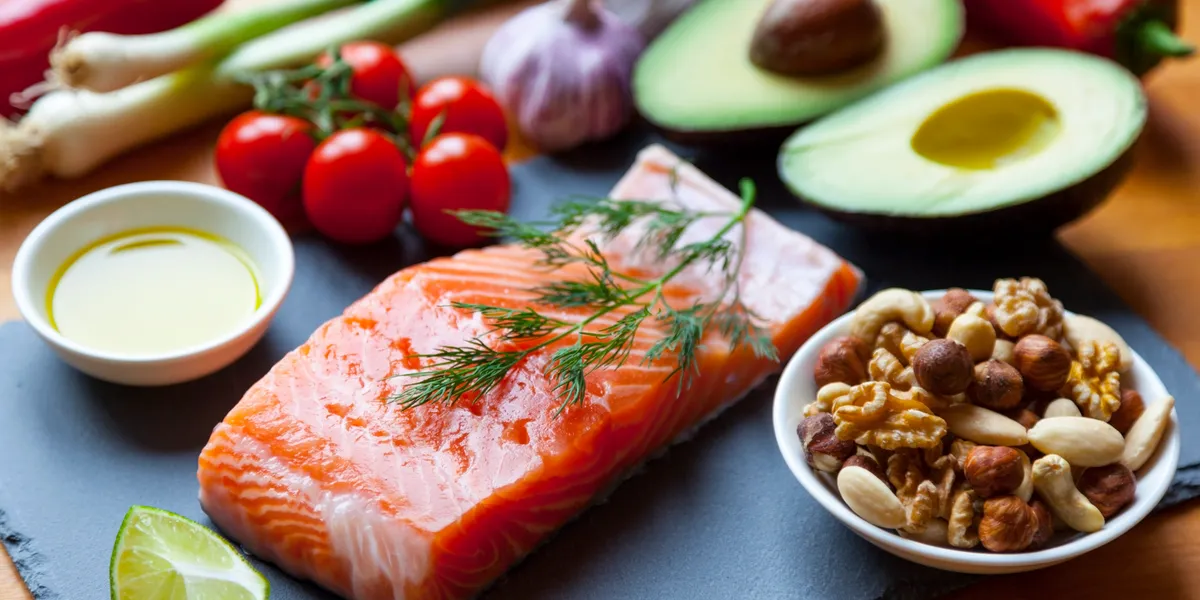
Fish is an important part of many Mediterranean eating patterns, particularly oily fish such as sardines, salmon and mackerel. These foods provide protein along with omega-3 fatty acids, making them particularly useful additions to a balanced diet. I like the idea of building a weekly routine around a few fish meals rather than trying to eat fish at every meal.
Poultry, eggs and dairy can also fit comfortably into the pattern. Chicken, plain yogurt, milk, eggs and modest amounts of cheese can provide protein and other nutrients while giving you plenty of flexibility. The Mediterranean approach is not about eliminating animal foods; it is more about placing them within a broader dietary pattern that gives plants a much larger role.
Red meat is generally eaten less frequently in traditional Mediterranean-style patterns than vegetables, legumes, fish and grains. You do not need to treat a steak or burger as a forbidden food, however. I find that it is more practical to make these foods occasional choices while building most everyday meals around vegetables, legumes, whole grains, fish and other minimally processed ingredients.
What About Dairy?
Dairy can be part of a Mediterranean-style diet, although the amount and type vary considerably between individuals and Mediterranean cultures. Plain yogurt, kefir, milk and small portions of cheese can all fit into a balanced eating pattern. Fermented dairy products can also be useful additions when they fit your preferences and dietary needs.
I tend to favor plain yogurt over heavily sweetened varieties because it gives you more control over what goes into the meal. You can add fruit, nuts or seeds if you want additional flavor and texture. That combination can work as breakfast, a snack or even a simple dessert.
Cheese is another food where moderation makes sense. Feta, parmesan and other flavorful cheeses can add a great deal of taste without requiring a huge portion. Rather than removing cheese completely, I would use it strategically as an ingredient that enhances a meal.
Foods To Eat Less Often
One of the biggest misconceptions about the Mediterranean diet is that it requires a perfect list of approved and forbidden foods. Realistically, the pattern is more about frequency and proportion. Highly processed foods, sugary drinks, heavily refined snacks, processed meats and foods high in added sugar can still exist in your life, but they generally should not form the foundation of your everyday meals.
I prefer thinking about this as a shift in priorities rather than a collection of rules. If most of your meals contain vegetables, fruit, legumes, whole grains, healthy fats and quality protein, an occasional dessert does not erase the benefits of the overall pattern. The problem usually comes when highly processed foods become the default rather than the exception.
Alcohol is sometimes included in discussions about Mediterranean eating, particularly because wine has traditionally appeared in some Mediterranean cultures. That does not mean alcohol is required for the diet, and people who do not drink have no reason to start. The nutritional benefits associated with Mediterranean-style eating can be pursued without alcohol.
How I Would Build a Mediterranean Meal
I find the easiest starting point is to stop thinking about individual foods and start thinking about meals. A simple lunch might combine grilled chicken, a large serving of vegetables, beans and a portion of brown rice, with olive oil and lemon used for flavor. Dinner could be baked fish with roasted vegetables and potatoes, followed by fruit or plain yogurt.
Breakfast can be just as straightforward. Oats topped with berries, walnuts and plain yogurt provide a combination of whole grains, fruit, protein and healthy fats. Another option could be eggs with whole-grain toast, tomatoes and avocado, depending on your preferences and nutritional needs.
The important thing is that meals do not have to look like restaurant dishes. I would rather see someone consistently eat simple Mediterranean-inspired meals than spend hours preparing elaborate recipes they cannot maintain. A bowl containing beans, vegetables, whole grains and a source of protein can be just as useful as a carefully styled Mediterranean recipe.
A Simple Mediterranean Day
A beginner-friendly day might start with oatmeal topped with fruit, a spoonful of nuts and plain yogurt. Lunch could be a large salad containing leafy greens, tomatoes, cucumber, chickpeas, grilled chicken and a modest amount of olive oil. Dinner might consist of baked salmon, roasted vegetables and a serving of potatoes or another whole-food carbohydrate.
Snacks do not need to be complicated either. Fruit, plain yogurt, a small portion of nuts or vegetables with hummus can all work depending on your hunger and overall dietary needs. If you are not hungry between meals, there is no requirement to add snacks simply because they appear on a sample meal plan.
I also like leaving room for flexibility. If you have pasta for dinner one evening, you can combine it with vegetables, olive oil and a protein source rather than treating pasta as something incompatible with the diet. The objective is to make the entire meal more balanced, not to label individual foods as good or bad.
Mediterranean Diet and Weight Management
The Mediterranean diet can be useful for people interested in managing their weight, but I would avoid thinking of it as a special fat-burning system. Weight changes are influenced by overall energy intake, activity, sleep, genetics and many other factors. The advantage of this eating pattern is that its emphasis on fiber-rich foods, protein, vegetables and minimally processed ingredients can make balanced eating easier for many people.
While focusing on whole foods naturally improves dietary quality, successful weight management requires knowing your specific baseline energy boundaries. Use our companion Calorie Calculator to instantly map out your personalized daily target ranges.
Fiber is particularly useful because foods such as vegetables, fruits, legumes and whole grains can contribute to fullness. Protein also plays an important role in satisfying meals and maintaining muscle when someone is losing weight. Combining these nutrients with sensible portions can make a calorie-controlled diet feel considerably less restrictive.
I would also resist the temptation to turn the Mediterranean diet into an extreme low-calorie plan. Eating nutritious foods does not mean eating as little as possible. A sustainable approach gives you enough food to support normal daily activity while allowing your eating pattern to remain enjoyable.
The Role of Portion Sizes
Healthy foods still contain calories, and portion awareness remains useful. Olive oil, nuts, cheese, whole grains and other nutritious foods can become surprisingly calorie-dense when portions grow without notice. I do not think that means you need to weigh every ingredient for the rest of your life, but having a basic sense of portions can be helpful.
One practical strategy is to look at the composition of the entire meal. If your plate contains a large amount of vegetables alongside a sensible serving of protein and a moderate portion of carbohydrates, you have more room to build a satisfying meal without relying heavily on calorie-dense ingredients. The exact proportions can vary according to your goals, appetite and nutritional requirements.
I also find that hunger is useful information. If a meal consistently leaves you hungry shortly afterward, it may need more protein, fiber, volume or overall food. Instead of immediately blaming yourself for lacking discipline, look at the meal itself and consider what might be missing.
Common Mistakes Beginners Make
One mistake is assuming that buying olive oil, feta cheese and whole-grain bread automatically creates a Mediterranean diet. Those foods can certainly fit, but the overall pattern matters much more than a handful of ingredients. If most meals still revolve around packaged snacks, sugary drinks and heavily processed foods, adding a few Mediterranean staples will not completely change the picture.
Another mistake is making the diet unnecessarily complicated. Beginners sometimes search for unfamiliar recipes and specialty ingredients when ordinary foods would work perfectly well. Vegetables, beans, lentils, eggs, chicken, fish, oats, rice, potatoes, fruit and nuts can form the basis of countless simple meals.
I also see people become overly rigid about perfection. Missing a vegetable at lunch or eating a dessert does not mean you have failed. A dietary pattern is defined by what you do repeatedly over time, not by one meal that did not go according to plan.
How To Start Without Overhauling Your Kitchen
I would begin with one meal rather than trying to change everything overnight. Breakfast might be the easiest place for you, or perhaps dinner is where you have the most control. Pick one meal and gradually make its ingredients more closely resemble the Mediterranean pattern.
Next, add a few reliable staples to your shopping list. Vegetables, fruit, beans, lentils, oats, whole grains, eggs, fish or poultry, plain yogurt, nuts and olive oil give you enough flexibility to prepare a wide range of meals. You do not need an enormous pantry full of specialty Mediterranean products.
After that, focus on consistency rather than perfection. If you eat a Mediterranean-style breakfast five days a week, have vegetables with lunch and build balanced dinners most evenings, you are already making a meaningful shift. The diet becomes much easier when it starts feeling like your normal way of eating rather than a temporary project.
A Seven-Day Starting Framework
For the first day, you could begin with oatmeal, fruit and nuts for breakfast, a chicken and chickpea salad for lunch, and baked fish with vegetables and potatoes for dinner. The second day could feature eggs and whole-grain toast in the morning, lentil soup with a side salad at lunch, and chicken with brown rice and roasted vegetables in the evening. Keeping the meals familiar makes the transition much less intimidating.
By the third and fourth days, try incorporating more plant-based protein. Lentils, beans and chickpeas can be combined with grains and vegetables to create filling meals without relying on meat at every sitting. You can also experiment with simple dressings made from olive oil, lemon juice, herbs and spices.
For the final three days, focus on variety rather than trying to follow an increasingly strict plan. Include fish, poultry, eggs, legumes, whole grains, vegetables and fruit across the week, while allowing yourself flexibility with foods that do not fit perfectly into the pattern. By the end of the week, the goal is not perfection but having several meals you genuinely enjoy and can repeat.
Making the Mediterranean Diet Fit Real Life
One reason I think this eating pattern works well for busy people is that many of its ingredients are remarkably practical. Cooked beans can be stored for several meals, vegetables can be prepared in batches, and grains can become the base of different lunches throughout the week. Having a few prepared components available can make it easier to assemble a balanced meal when time is limited.
Eating out does not have to bring the plan to a halt either. Grilled fish or chicken, vegetables, beans, salads, whole grains and simple potato dishes can often be found in restaurants even when the menu is not specifically Mediterranean. I would focus on the overall meal rather than trying to identify whether the restaurant’s cuisine passes some kind of dietary test.
Social occasions require the same flexibility. Food is part of celebrations, family gatherings and friendships, and I do not think a sustainable eating pattern should require you to avoid those moments. If your everyday habits are solid, an occasional indulgent meal can simply be part of a normal life.
The Bigger Picture
The strongest lesson I take from the Mediterranean diet is that healthy eating does not have to revolve around restriction. It can be built around abundance, particularly an abundance of vegetables, fruits, legumes, whole grains, herbs, nuts and other minimally processed foods. That shift in perspective can make nutrition feel less like a constant battle and more like a practical way of taking care of yourself.
I also appreciate that the pattern leaves room for individual preferences. You can eat chicken instead of fish, beans instead of meat, rice instead of another grain, or fruit that is available locally rather than trying to recreate a specific Mediterranean grocery list. The principles are more important than perfectly copying another culture’s menu.
For anyone starting out, I would keep the goal simple: improve the quality of your everyday meals without making your diet miserable. Add more plants, use healthy fats sensibly, include satisfying sources of protein, favor minimally processed foods, and allow room for flexibility. Over time, those small decisions can become a sustainable eating pattern rather than another short-lived diet.
Final Thoughts
The Mediterranean Diet Beginner’s Guide is ultimately less about following a strict set of instructions and more about learning to build better meals. Vegetables, fruits, legumes, whole grains, fish, poultry, eggs, nuts, seeds and olive oil give you a remarkably broad collection of foods to work with. You can adapt those ingredients to your budget, schedule, culture and personal preferences without losing the basic principles of the diet.
I would not recommend trying to become perfect on day one. Start with one or two changes that feel realistic, repeat them until they become ordinary, and then build from there. A sustainable nutrition plan should fit into your life rather than requiring your entire life to revolve around the plan.
The Mediterranean pattern has remained relevant because its basic philosophy is remarkably practical: eat a wide variety of nutritious foods, make minimally processed ingredients the foundation of your meals, enjoy food without unnecessary fear, and let consistency matter more than perfection. That is a far more useful goal than searching for a diet that promises instant results.