Plant-Based Eating Made Simple
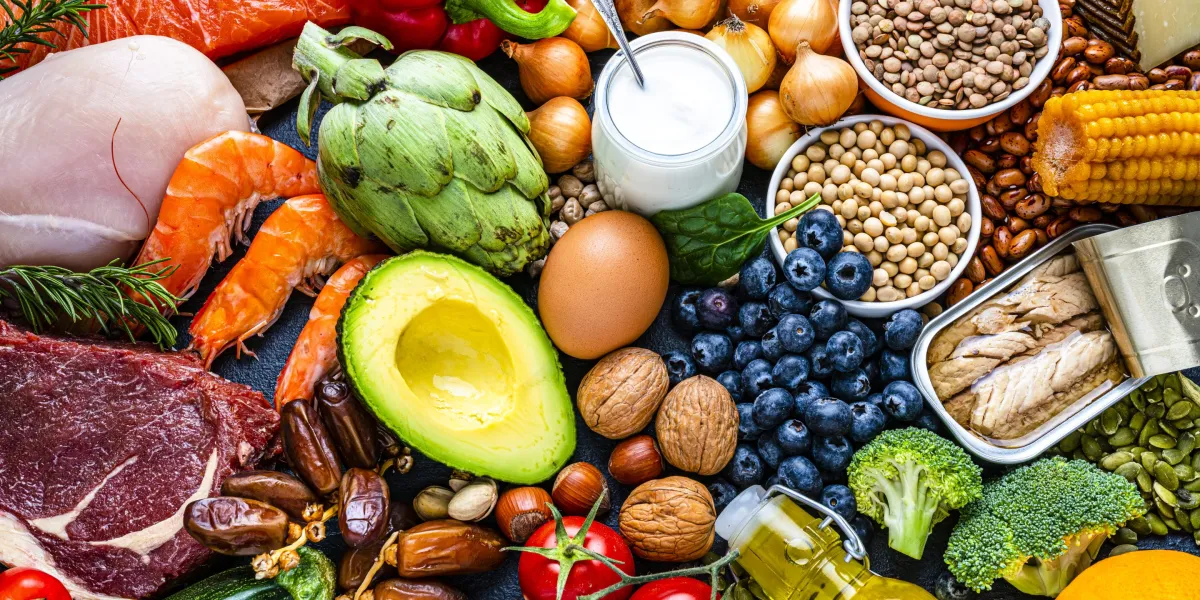
Plant-based eating can sound more complicated than it actually is. Once I stopped looking at it as a strict list of foods that were allowed or forbidden, the idea became much easier to understand: build more meals around vegetables, fruits, legumes, whole grains, nuts, seeds, and other foods that come from plants. From there, the approach can be adapted to almost any budget, culture, schedule, or set of personal preferences.
What I like most about plant-based eating is that it does not have to mean making an overnight commitment to a completely different way of eating. You can simply start by making plants a bigger part of your meals and gradually replacing some heavily processed foods with more nutritious alternatives. The result can be a varied eating pattern that provides plenty of fiber, vitamins, minerals, healthy fats, and other important nutrients.
What Does Plant-Based Eating Mean?
Plant-based eating does not have one universally accepted definition. For some people, it means eating exclusively plant foods, while others use the term to describe a diet in which plants make up most of their meals while still including foods such as eggs, dairy, fish, or meat.
That flexibility is useful because it means you do not have to fit yourself into a particular dietary label. Someone might eat beans and vegetables most days while occasionally having chicken or fish, while another person may avoid all animal products. Both approaches can place plants at the center of the diet.
I think the most useful interpretation is simple: make plant foods the foundation rather than treating them as side dishes. Once that principle becomes familiar, building meals becomes much easier.
The Foods at the Center
Vegetables are an obvious starting point. Leafy greens, tomatoes, carrots, onions, peppers, broccoli, cabbage, eggplant, squash, and other vegetables can provide fiber and a wide variety of vitamins, minerals, and other beneficial compounds.
Fruit is another major part of the picture. Bananas, oranges, apples, berries, mangoes, melons, pineapples, and seasonal fruits can add natural sweetness, fiber, and important nutrients. Whole fruit is particularly useful because it provides the food’s natural structure and fiber rather than concentrating everything into a sweetened drink.
Legumes deserve special attention because they can provide both protein and fiber. Beans, lentils, chickpeas, peas, and similar foods can become the foundation of soups, stews, salads, curries, grain bowls, and countless other meals.
Whole Grains Have a Place
Plant-based eating is not synonymous with eating salads all day. Whole grains can provide carbohydrates, fiber, and other nutrients while making meals more substantial. Oats, brown rice, whole-grain bread, barley, millet, sorghum, quinoa, and other grains can all fit naturally into the pattern.
I find that carbohydrates become much less confusing when you focus on the overall food rather than labeling them as good or bad. A bowl of oats or a serving of brown rice provides something very different nutritionally from a highly processed sugary snack.
You also do not have to abandon familiar staple foods. If rice, potatoes, maize, ugali, or another traditional carbohydrate is already part of your diet, you can continue using it while increasing the vegetables, legumes, and other nutritious foods accompanying it.
Where Does Protein Come From?
Protein is one of the first concerns people raise when discussing plant-based eating. The good news is that there are many plant foods that contribute protein, including beans, lentils, chickpeas, peas, tofu, tempeh, soy foods, nuts, seeds, and some whole grains.
The easiest way to avoid making protein an afterthought is to deliberately include a protein-rich plant food in your meals. A bean stew with grains, lentils with vegetables, tofu with rice, or chickpeas in a salad can provide a much more substantial meal than vegetables alone.
People who include eggs, dairy, fish, or meat have even more flexibility. There is no nutritional requirement to remove those foods simply because you want to eat more plants. The important thing is that the overall diet provides enough protein and other essential nutrients.
Healthy Fats Still Matter
A plant-based diet should not mean eliminating fat. Foods such as avocados, nuts, seeds, olives, and plant oils can provide unsaturated fats along with other nutrients.
Nuts and seeds are particularly convenient because they can be added to oatmeal, salads, yogurt, vegetables, or grain dishes. They also provide texture and flavor, which can make simple meals considerably more satisfying.
Because fats are energy-dense, portions can still matter depending on your individual goals. I would not avoid these foods, but I also would not assume that unlimited amounts are automatically better simply because they are plant-based.
Building a Balanced Plant-Based Plate
I find the easiest approach is to stop thinking about plant-based eating as a collection of individual ingredients and start thinking about complete meals. A balanced plate can include vegetables, a protein-rich plant food, a source of carbohydrates, and a modest amount of healthy fat.
For example, you could combine lentils with rice, leafy greens, tomatoes, and avocado. Another meal might contain roasted vegetables, chickpeas, potatoes, and a tahini-based dressing. These meals look different, but both provide multiple categories of nutrients.
The exact proportions do not have to be identical at every meal. Appetite, activity, age, body size, and personal nutritional needs all influence how much food someone requires. What matters is creating a pattern that provides enough nourishment across the day.
Easy Plant-Based Breakfasts
Breakfast can be surprisingly simple. Oatmeal topped with fruit, nuts, and seeds provides whole grains, fiber, healthy fats, and several important nutrients. Adding fortified plant milk or another protein-rich ingredient can make the meal more substantial.
Another option is whole-grain toast topped with avocado, tomatoes, and beans. If you eat eggs, an omelet with vegetables and whole-grain toast can also fit comfortably into a plant-forward eating pattern.
Smoothies can work too, but I would not rely exclusively on them. Whole foods generally provide more texture and can be more satisfying than drinking the same ingredients.
Simple Lunch Ideas
A grain bowl is one of the easiest plant-based lunches to assemble. Start with rice, quinoa, or another grain, add beans or chickpeas, pile on vegetables, and finish with a flavorful dressing.
Lentil soup with whole-grain bread can provide another practical option. It can be prepared in a large batch and eaten across several meals, making it particularly useful when you do not want to cook from scratch every day.
A large salad can also become a proper meal rather than an appetizer. Add beans, lentils, tofu, seeds, avocado, or another protein-rich ingredient, and include a carbohydrate source if you need something more substantial.
Simple Dinner Ideas
Dinner can be built around familiar foods. A vegetable and bean stew served with rice can provide a satisfying meal, while roasted vegetables with chickpeas and potatoes offers another straightforward combination.
Pasta can also fit into plant-based eating. Whole-wheat pasta combined with tomatoes, vegetables, beans, lentils, or tofu can create a meal that provides considerably more nutritional variety than pasta served with a highly processed sauce alone.
If you eat animal products, you can also make dinner plant-forward without removing them. Grilled fish with vegetables and whole grains, for example, still places plants at the center of the meal while providing an additional protein source.
Plant-Based Snacks
Snacks do not need to be complicated. Fruit, nuts, seeds, hummus with vegetables, roasted chickpeas, or unsweetened yogurt can all work depending on your preferences.
If you tend to get hungry between meals, pairing carbohydrates with protein or fat can make a snack more substantial. An apple with nuts or vegetables with hummus is more balanced than relying entirely on a sugary snack.
There is also nothing wrong with not snacking. If your meals keep you comfortably satisfied, there is no need to eat simply because the clock says it is snack time.
Getting Enough Nutrients
A varied plant-based diet can provide a wide range of nutrients, but removing entire food groups requires some nutritional awareness. Vitamin B12 deserves particular attention for people following a fully vegan diet because reliable sources are limited primarily to fortified foods and supplements.
Iron can be obtained from foods such as beans, lentils, tofu, leafy greens, seeds, and fortified products. Pairing plant sources of iron with foods containing vitamin C can help support iron absorption.
Calcium, iodine, vitamin D, zinc, and omega-3 fats are other nutrients worth considering depending on the foods included in your diet. Anyone following a highly restrictive diet or concerned about meeting nutritional needs should consider speaking with a qualified healthcare professional or registered dietitian.
Plant-Based Eating and Weight Management
Plant-based eating can support weight management because many plant foods are rich in fiber and water while being relatively low in energy density. Meals built around vegetables, fruits, legumes, and whole grains can be filling without relying heavily on highly processed foods.
That does not mean plant-based automatically equals weight loss. Foods such as nuts, seeds, oils, nut butters, and processed plant-based products can contain substantial amounts of energy, even though they may fit into a plant-based diet.
I would therefore avoid treating plant-based eating as a guaranteed weight-loss strategy. The quality of the overall diet, portion sizes, physical activity, sleep, and total energy intake all matter.
Watch Out for Highly Processed Alternatives
The growing number of plant-based burgers, sausages, nuggets, desserts, and other alternatives has made plant-based eating more convenient. These products can be useful occasionally, particularly when you want a familiar food without using animal products.
However, “plant-based” does not automatically mean “healthy.” Some packaged alternatives can contain substantial amounts of sodium, saturated fat, added sugar, or refined ingredients.
I prefer to think of these products as optional conveniences rather than the foundation of the diet. Beans, lentils, vegetables, fruits, whole grains, nuts, and seeds should still do most of the nutritional heavy lifting.
Eating Plant-Based on a Budget
A plant-based diet can actually be quite affordable when it is built around basic foods. Beans, lentils, grains, potatoes, seasonal vegetables, bananas, and other inexpensive staples can form the foundation of numerous meals.
Frozen vegetables can also be useful when fresh produce is expensive or difficult to store. Dried beans and lentils can be economical as well, although canned versions provide useful convenience when time is limited.
I would avoid assuming that eating plant-based requires buying expensive specialty products. You can build nutritious meals from ordinary foods found in local markets and supermarkets without filling your kitchen with premium substitutes.
Common Mistakes
One common mistake is eating mostly vegetables while neglecting protein and energy. A salad may contain plenty of vitamins and minerals but still leave you hungry if it does not include legumes, grains, healthy fats, or another substantial component.
Another mistake is replacing animal products entirely with highly processed alternatives. Removing meat while replacing it with refined snacks and packaged foods does not necessarily improve the overall quality of the diet.
The final mistake is trying to change everything overnight. A gradual transition is often easier because it gives you time to discover which plant-based meals you genuinely enjoy and can prepare consistently.
How to Start
Start with meals you already like. If you enjoy rice and chicken, try replacing some meals with rice, beans, vegetables, and avocado rather than immediately searching for unfamiliar recipes.
Next, add one plant-based meal to your routine at a time. You might begin with a plant-based breakfast several days a week, then introduce a bean-based lunch or vegetable-focused dinner.
Over time, build a small collection of reliable meals. Once you know how to prepare five or ten plant-forward meals that you actually enjoy, eating this way becomes much less complicated.
Final Thoughts
Plant-based eating does not need to be an all-or-nothing decision. At its simplest, it means giving vegetables, fruits, legumes, whole grains, nuts, and seeds a larger role in your everyday meals while making sure the overall diet provides enough protein, healthy fats, vitamins, minerals, and energy.
The biggest advantage is flexibility. You can make your meals completely plant-based or simply make them more plant-forward, depending on your preferences and nutritional needs. There is no requirement to abandon the foods you enjoy in order to eat more plants.
I would focus on adding rather than constantly restricting: add vegetables to familiar meals, add beans to your favorite dishes, eat fruit regularly, experiment with whole grains, and use nuts and seeds where they make sense. Once those habits become ordinary, plant-based eating stops feeling like a special diet and starts becoming a practical way of eating.