High-Protein Diet Guide for Everyday Living
Protein has become one of the biggest topics in nutrition, and for good reason. It plays a role in building and maintaining muscle, supporting tissues, producing enzymes and hormones, and keeping meals satisfying. At the same time, the internet has turned protein into something of a nutritional obsession, with people sometimes assuming that more is always better.
I prefer a more practical approach. A high-protein diet does not need to involve enormous portions of meat, expensive powders, or complicated meal plans. For everyday living, the goal is to include enough protein consistently while still eating a varied diet that provides carbohydrates, fats, fiber, vitamins, and minerals.
What Counts as a High-Protein Diet?
There is no single amount of protein that makes a diet officially “high protein” for everyone. Protein needs vary according to factors such as age, body size, activity level, training habits, and overall health. Someone who exercises regularly may have different needs from someone who is mostly sedentary.
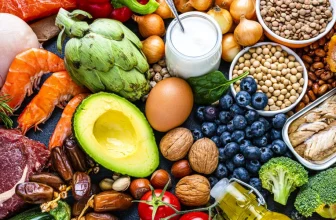
The important point is that a high-protein diet is generally built around making protein-rich foods a more prominent part of meals. These can include chicken, fish, eggs, lean meats, dairy products, beans, lentils, tofu, nuts, seeds, and other protein-containing foods.
I would not start by obsessing over a particular number. It is often more useful to look at what your meals currently contain and identify where a quality protein source can be added. Once that becomes routine, you can fine-tune your intake if you have a specific nutritional or training goal.
Why Protein Matters
Protein provides amino acids that the body uses to build and maintain tissues. Muscle is particularly relevant for people who exercise, but protein is involved in much more than muscle growth. The body uses protein for numerous structural and biological functions.
Protein can also make meals more satisfying. Compared with a meal consisting primarily of refined carbohydrates, a meal that combines protein with fiber-rich foods and healthy fats may help you feel satisfied for longer.
That does not mean protein is a magic appetite suppressant. Hunger is influenced by many factors, including meal size, food composition, sleep, activity, stress, and individual biology. Protein is simply one useful part of a satisfying eating pattern.
Protein and Muscle
Resistance training and adequate nutrition work together when it comes to maintaining and building muscle. Exercise provides the stimulus, while adequate protein and overall nutrition provide the materials the body needs to recover and adapt.
This is particularly relevant when someone is trying to lose body fat while maintaining muscle. A nutritious diet containing adequate protein, combined with resistance training, can support the preservation of lean tissue during weight loss.
I would also avoid the idea that eating large quantities of protein automatically creates large muscles. Muscle development depends on training, nutrition, recovery, genetics, and consistency. Protein supports the process, but it does not replace the work required from training.
The Best High-Protein Foods
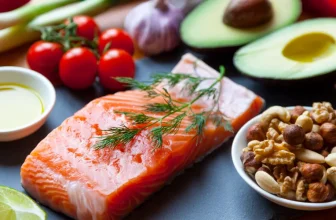
Chicken breast is a popular choice because it provides substantial protein without requiring complicated preparation. Fish, lean beef, turkey, eggs, Greek yogurt, cottage cheese, and other dairy foods can provide additional options for people who eat animal products.
Plant foods can contribute protein too. Lentils, chickpeas, beans, peas, tofu, tempeh, nuts, seeds, and certain whole grains can all contribute to daily protein intake. Combining different plant foods throughout the day can make it easier to obtain a broad range of nutrients.
I think variety is more useful than becoming dependent on one food. Eating chicken at every meal might technically provide protein, but it can make your diet unnecessarily repetitive. Rotating different protein sources gives you more flavors, textures, nutrients, and meal options.
How Much Protein Do You Need?
Protein requirements depend heavily on the individual. A person who does little structured exercise will generally have different needs from someone who trains regularly, and growing bodies have different nutritional requirements from adults.
For adults who exercise regularly, protein needs can be higher than the basic minimum used for the general population. However, more protein is not automatically better, and there is no universal target that makes sense for everyone.
If you have a specific medical condition, are pregnant, are taking certain medications, or have been advised to follow a medically prescribed diet, protein intake should be discussed with a qualified healthcare professional rather than based solely on online recommendations.
How to Build a High-Protein Meal
I find the easiest method is to build meals around a clear protein source first. Once that is established, add vegetables or fruit, a carbohydrate source, and a source of healthy fat according to your nutritional needs and preferences.
For example, grilled chicken can be paired with rice and vegetables, while eggs can be served with whole-grain toast and fruit. Lentils can form the base of a meal with vegetables and grains, and fish can be combined with potatoes and a large serving of vegetables.
This approach keeps protein important without allowing it to crowd everything else off the plate. Carbohydrates provide energy, fats contribute essential fatty acids and help with nutrient absorption, while fruits and vegetables provide fiber and micronutrients.
High-Protein Breakfasts
Breakfast can be an easy opportunity to increase protein because many traditional breakfast foods contain relatively little. Eggs, Greek yogurt, cottage cheese, milk, or a combination of these foods can provide a substantial protein foundation.
Oatmeal can also become more protein-rich when paired with Greek yogurt, milk, nuts, seeds, or another protein-containing ingredient. The goal is not to turn breakfast into a bodybuilding meal but to create something that is nutritious and satisfying.
If you prefer savory breakfasts, eggs with vegetables and whole-grain toast can work well. The exact meal matters less than consistently including a meaningful source of protein.
High-Protein Lunches
Lunch is often where people fall into the trap of eating a carbohydrate-heavy meal without enough protein. A sandwich, rice bowl, salad, or wrap can become considerably more satisfying when it contains chicken, fish, eggs, beans, lentils, tofu, or another protein-rich ingredient.
Leftovers can make this particularly easy. If dinner contains grilled chicken and vegetables, the leftovers can become a lunch bowl the following day. This reduces preparation time while making it easier to maintain consistent eating habits.
I also like meals that combine protein with fiber. A chicken and bean salad, for example, provides protein from multiple sources while vegetables and legumes contribute fiber and other nutrients.
High-Protein Dinners
Dinner provides plenty of flexibility. Grilled fish with potatoes and vegetables, chicken with rice and greens, lean beef with vegetables and whole grains, or lentil stew with a grain can all work within a high-protein eating pattern.
The key is not to make protein the only thing on the plate. A giant serving of meat alongside a very small amount of vegetables does not automatically make a meal nutritionally superior.
I would rather see a balanced dinner that contains an appropriate protein portion alongside vegetables, carbohydrates, and healthy fats. That combination is easier to enjoy and provides a broader range of nutrients.
Snacks and Protein
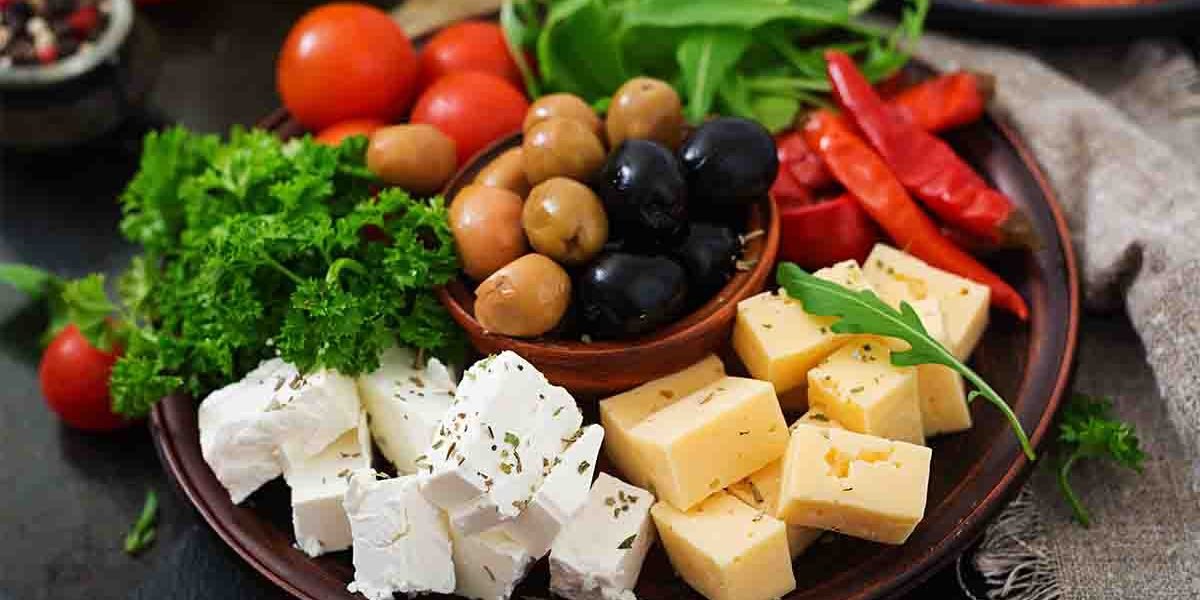
Snacks can be useful when you are genuinely hungry between meals. Greek yogurt, milk, cottage cheese, boiled eggs, nuts, roasted chickpeas, or other protein-containing foods can provide options depending on your preferences.
Protein bars and shakes can also be convenient, particularly when someone has limited access to regular meals. However, they are supplements to a diet rather than requirements for following a high-protein eating pattern.
Whole foods should generally make up the foundation of your diet. Convenience products can fill gaps when necessary, but there is no nutritional rule saying that a high-protein diet must involve protein powder.
High-Protein Eating on a Budget
Eating more protein does not have to mean buying expensive cuts of meat. Eggs, beans, lentils, milk, canned fish, chicken, and other relatively affordable foods can contribute significantly to protein intake.
Beans and lentils are particularly useful because they provide protein alongside fiber and other nutrients. They can be added to soups, stews, rice dishes, salads, and other meals without dramatically increasing the cost.
Buying foods in larger quantities when practical and preparing meals at home can also make a difference. A high-protein diet becomes much more affordable when it is built around basic ingredients rather than specialty products.
High-Protein Eating for Weight Management
Protein can be useful during weight loss because satisfying meals may make it easier for some people to maintain an appropriate overall food intake. Including protein alongside vegetables, fruits, whole grains, and other nutrient-rich foods can create meals that are both filling and nutritionally balanced.
But I would not turn a high-protein diet into a crash diet. Eating very little simply because protein is considered important can leave the overall diet lacking in energy and other nutrients.
Weight management is influenced by total energy intake, activity, sleep, genetics, and many other factors. Protein can support a healthy approach, but it is not a shortcut that overrides the rest of nutrition.
Common Mistakes With High-Protein Diets
One mistake is believing that protein should replace carbohydrates entirely. Carbohydrates are an important source of energy, particularly for physically active people, and nutritious carbohydrate sources can provide fiber, vitamins, and minerals.
Another mistake is ignoring fat. Healthy fats from foods such as avocados, nuts, seeds, olive oil, and certain fish can contribute important nutrients and should not automatically be eliminated simply because protein intake has increased.
The third mistake is relying too heavily on processed meat. Sausages, bacon, and other processed meats may contain protein, but protein content alone does not make a food an ideal everyday choice. A varied diet should include less processed protein sources as well.
Protein Powder: Do You Need It?
Protein powder can be convenient, but most people do not need it simply because they want to eat more protein. Foods such as eggs, dairy, fish, poultry, legumes, tofu, and meat can provide protein without requiring supplements.
A protein shake can be useful when preparing a complete meal is difficult. Someone who is traveling, short on time, or struggling to meet their nutritional needs through food may find a shake convenient.
I would treat protein powder as exactly that: a convenience. It should complement an otherwise balanced diet rather than become the foundation of one.
Making High-Protein Eating Sustainable
The best eating pattern is one you can maintain. If every meal requires elaborate preparation or foods you dislike, even a nutritionally sound plan can become exhausting.
I find that having a small collection of reliable meals makes high-protein eating much easier. A few breakfast options, several lunches, and a handful of simple dinners can provide enough variety without requiring constant recipe hunting.
Meal preparation can also help. Cooking chicken, eggs, beans, grains, or other ingredients ahead of time can make it easier to assemble balanced meals when you are busy. The simpler the system, the more likely it is to survive a hectic week.
Final Thoughts
A high-protein diet does not need to be extreme. At its best, it is simply an eating pattern that consistently includes adequate protein while maintaining room for vegetables, fruits, whole grains, healthy fats, and other important foods.
I would focus less on chasing the highest possible protein intake and more on building balanced meals around quality sources. Rotate between animal and plant proteins where appropriate, use whole foods as your foundation, and rely on convenient products only when they genuinely make your routine easier.
Protein is important, but it is only one piece of nutrition. The strongest everyday diet is not the one that maximizes a single nutrient; it is the one that provides enough protein and energy while giving your body the broad range of nutrients it needs to function well.