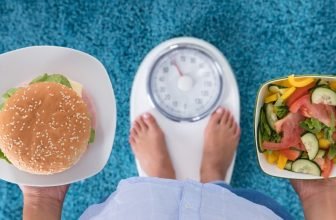
Why Your Diet Isn’t Working (And How to Fix It)

I have watched countless people pour months of effort into eating less, exercising more, and following every piece of advice they could find online, only to feel frustrated by the lack of results. Few things are more discouraging than stepping on the scale after weeks of commitment and seeing almost no change. It creates the illusion that the body is somehow broken, when the truth is usually much simpler.
Weight loss is rarely determined by a single mistake. It is almost always the result of several small habits that quietly work against progress every day. Once I began paying attention to those habits instead of chasing the newest diet trend, everything started making more sense. That is exactly why your diet isn’t working for many people, and fortunately, the solution is often much easier than expected.
You Are Eating More Than You Think
One of the biggest surprises I discovered was how inaccurate most people are at estimating portions. It is incredibly easy to underestimate calories, especially when meals are prepared at home. A little extra cooking oil, an oversized handful of nuts, or an additional spoonful of peanut butter can add hundreds of calories without making the meal seem much larger.
Restaurants make this problem even worse. Many meals that appear healthy are loaded with hidden fats, sauces, and sugars that dramatically increase calorie content. Even salads can become calorie bombs once dressings, cheese, nuts, and crispy toppings are added. The meal still feels nutritious, but the calorie total often exceeds that of a burger.
I eventually realized that tracking food for a couple of weeks was not about obsession. It was about education. Measuring portions taught me what a serving actually looked like, and that knowledge stayed with me long after I stopped logging every meal.
Fixing a stalled fat-loss journey starts with pinpointing your precise energy intake requirements. Use our master Calorie Calculator to instantly discover your true daily maintenance and deficit baselines.
Healthy Foods Can Still Prevent Weight Loss
One mistake I see repeatedly is assuming that healthy automatically means low calorie. Avocados, olive oil, almonds, granola, and natural peanut butter are all excellent foods, but they are also energy dense. Eating large amounts simply because they are nutritious can stall progress surprisingly quickly.
Nutrition quality and calorie intake are two different conversations. A diet full of whole foods certainly supports better health, but consuming more calories than the body burns will still limit fat loss. I learned that balance matters far more than labeling foods as good or bad.
That realization completely changed my mindset. Instead of fearing certain foods or endlessly searching for magical ingredients, I started paying attention to quantities. Healthy eating became much more sustainable because nothing had to be completely eliminated.
Liquid Calories Add Up Quickly
Many people carefully count every bite of food while completely overlooking what they drink. Coffee beverages, fruit juices, smoothies, energy drinks, alcohol, and soft drinks can contribute hundreds of calories before lunch even arrives. Those calories rarely create the same feeling of fullness as solid food.
Even beverages marketed as healthy deserve closer attention. Store-bought smoothies often contain multiple servings of fruit along with added sweeteners. Specialty coffee drinks may contain more sugar than an entire dessert, making them easy to underestimate.
Water quickly became my default beverage. Unsweetened coffee, plain tea, and sparkling water also helped reduce unnecessary calories without making me feel deprived. It was one of the simplest changes I made, yet it produced noticeable results.
Weekend Habits Can Undo an Entire Week
Many diets appear successful from Monday through Friday before completely falling apart over the weekend. A few restaurant meals, drinks with friends, late-night snacks, and oversized desserts can erase the calorie deficit created during the previous five days.
I used to think one indulgent meal could not possibly matter very much. Then I realized that several indulgent meals packed into two days often added thousands of extra calories. The weekly average matters far more than individual days.
That does not mean weekends have to become miserable. It simply means making room for enjoyable foods while maintaining reasonable portions. Flexibility supports consistency, and consistency always beats perfection.
You Expect Results Too Quickly
Modern culture encourages instant gratification, but the human body does not operate on that timeline. Fat loss takes patience because meaningful changes occur gradually. Expecting dramatic weekly transformations often leads to unnecessary disappointment.
Daily weight fluctuations create even more confusion. Water retention, sodium intake, hormones, stress, digestion, and recent workouts can all influence body weight without reflecting actual fat gain or loss. A temporary increase on the scale does not automatically mean failure.
I stopped allowing a single weigh-in to determine my mood. Looking at weekly averages instead of daily numbers provided a much clearer picture of real progress. That simple shift removed a tremendous amount of stress.
You Depend Too Much on Motivation
Motivation feels powerful, but it is also unreliable. Everyone experiences days when healthy eating feels effortless and days when ordering pizza sounds far more appealing than cooking dinner. Waiting to feel motivated usually leads to inconsistency.
Habits, on the other hand, continue regardless of mood. Preparing meals ahead of time, shopping with a grocery list, and maintaining regular eating schedules reduce the number of decisions required throughout the day. Less decision-making often translates into better consistency.
I eventually accepted that discipline is not about perfection. It is about making the next good decision even after making a poor one. That mindset prevented small mistakes from becoming complete setbacks.
Your Protein Intake Is Too Low
Protein plays an enormous role in successful weight loss. It increases fullness, supports muscle maintenance, and requires more energy to digest than carbohydrates or fat. A higher protein intake also makes it easier to preserve lean muscle while losing body fat.
Many people unintentionally eat most of their protein at dinner while consuming very little throughout the rest of the day. Spreading protein across meals provides more consistent satiety and makes hunger easier to manage.
I noticed that increasing protein reduced cravings more effectively than almost any other dietary adjustment. Meals became more satisfying, and I naturally ate fewer unnecessary snacks between them.
Sleep Has More Influence Than You Realize
Diet conversations frequently ignore sleep, even though poor sleep directly affects appetite regulation. Lack of sleep increases hunger hormones while reducing the hormones responsible for feelings of fullness. That combination makes high-calorie foods much harder to resist.
Fatigue also influences daily activity. People who are tired often move less, exercise with lower intensity, and rely on convenience foods because cooking feels exhausting. Those small behaviors accumulate over time.
Improving sleep did not magically melt away fat, but it made healthy decisions significantly easier. Better recovery also improved workout performance, creating a positive cycle that supported long-term progress.
Stress Quietly Sabotages Progress
Stress changes eating behavior in ways that are easy to overlook. Some people lose their appetite entirely, while others constantly crave sugary or fatty comfort foods. Chronic stress also makes planning meals and exercising consistently much more difficult.
Busy schedules frequently encourage rushed meals, skipped breakfasts, and late-night overeating. The problem is rarely a lack of nutritional knowledge. It is the challenge of maintaining healthy habits while juggling everyday responsibilities.
I found that reducing stress did not require dramatic lifestyle changes. Regular walks, short breaks from work, consistent sleep, and realistic expectations created a healthier relationship with food than extreme dieting ever could.
Exercise Cannot Outrun Poor Nutrition
Exercise provides tremendous health benefits, but it is surprisingly easy to overestimate the number of calories burned during workouts. Many fitness trackers exaggerate calorie expenditure, leading people to reward themselves with meals that completely replace the calories they just burned.
Strength training and cardiovascular exercise should complement nutrition rather than compensate for poor eating habits. The most successful fat loss plans rely on both working together instead of expecting one to fix the other.
I started viewing exercise as a tool for building strength, protecting muscle, improving health, and increasing energy rather than earning food. That perspective completely transformed my relationship with fitness.
Restrictive Diets Rarely Last
Extreme diets often promise rapid transformation, but they usually demand unsustainable rules. Eliminating entire food groups, surviving on very low calories, or following rigid meal plans may produce quick results initially, yet they often lead to burnout.
Restriction frequently increases cravings rather than eliminating them. Foods become emotionally charged because they are labeled forbidden. Eventually, many people binge on those foods before feeling guilty enough to restart another restrictive plan.
The better strategy is building a diet that fits everyday life. Enjoying favorite foods in reasonable portions creates consistency that can last for years instead of weeks.
Small Improvements Produce the Biggest Results
Many people search for one dramatic change that will finally solve everything. In reality, lasting success usually comes from stacking small improvements over time. Drinking more water, increasing protein, walking more, cooking at home more often, and sleeping better may seem ordinary individually, but together they become incredibly powerful.
Progress rarely follows a perfectly straight line. Some weeks produce excellent results, while others seem completely stagnant despite consistent effort. Staying focused on long-term habits instead of short-term fluctuations makes those slower weeks much easier to handle.
I have learned that successful dieting is less about finding the perfect plan and more about repeating simple behaviors until they become automatic. That mindset removes unnecessary pressure and replaces it with confidence built on consistency.
Conclusion
Most failed diets are not actually failures. They are incomplete systems built on unrealistic expectations, hidden calories, inconsistent habits, or temporary motivation. Once those issues are identified, progress becomes much more predictable and far less frustrating.
If you have been wondering why your diet isn’t working, resist the urge to jump into another trendy eating plan. Start by evaluating portion sizes, protein intake, sleep quality, activity levels, stress, and overall consistency. Those fundamentals may not sound exciting, but they continue to outperform shortcuts year after year.
Sustainable weight loss is built one decision at a time. Small improvements repeated every day eventually become life-changing results, and that is a strategy worth trusting long after the number on the scale reaches your goal.