Beginner’s Guide to Healthy Meal Planning
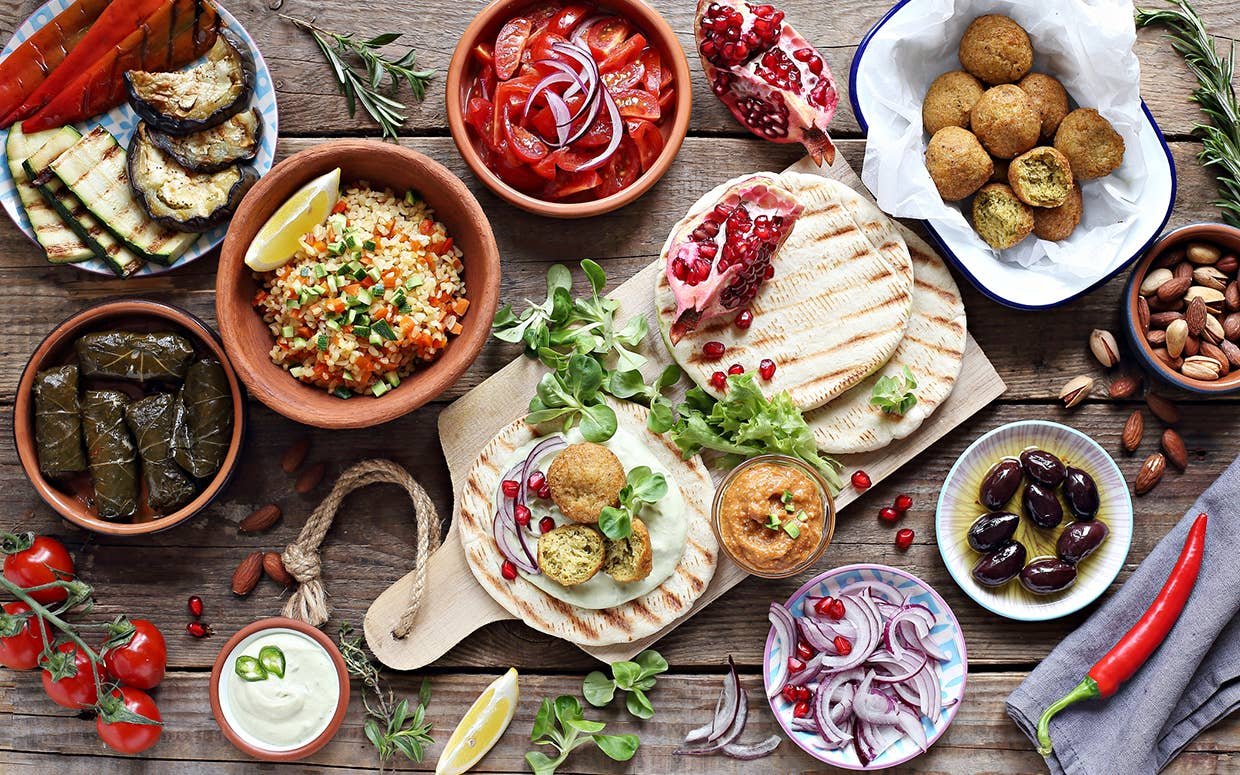
Healthy eating becomes much easier when I know what I am going to eat before hunger takes over. Without a plan, it is easy to reach for whatever is fastest, order takeout, skip vegetables, or turn a quick snack into an entire meal. Meal planning does not have to mean spending an entire Sunday cooking containers of food, either. At its simplest, it means making a few decisions in advance so that nutritious food is easier to reach when you need it.
The biggest mistake I see with meal planning is making it unnecessarily complicated. People create elaborate seven-day menus, buy dozens of ingredients, and attempt recipes they have never cooked before. A better system starts small, uses familiar foods, and leaves enough flexibility for real life.
What Healthy Meal Planning Actually Means
Healthy meal planning is simply the process of deciding ahead of time what meals you are likely to eat and making sure you have the necessary ingredients available. It can involve planning an entire week, a few days, or even just tomorrow’s breakfast and lunch.
The purpose is not to predict every bite perfectly. Plans change, schedules become unpredictable, and sometimes you simply do not feel like eating what you prepared. A good meal plan should make healthy eating easier without making you feel trapped by a rigid schedule.
I think of meal planning as creating a framework rather than a set of rules. Once you have a basic structure, you can make substitutions without throwing the entire plan away.
Start With Your Actual Schedule
Before writing a shopping list, look at the week ahead. Consider which days you will be working late, exercising, traveling, eating with family, or dealing with other commitments that could affect your meals.
This immediately makes your plan more realistic. There is little point in scheduling an elaborate dinner for a night when you know you will arrive home exhausted at nine o’clock. A quick meal or prepared leftovers would probably make more sense.
I also like leaving one or two meals flexible. That gives you room for restaurants, social occasions, unexpected plans, or simply a day when you want something different.
Build Meals Around the Basics
A simple meal does not require a long ingredient list. Start with a protein source, add vegetables or fruit, include a carbohydrate source according to your needs, and use a source of healthy fat where appropriate.
Chicken with rice and vegetables is one example. Eggs with whole-grain toast and fruit can work for breakfast, while beans with rice, vegetables, and avocado can provide a filling plant-based meal.
The exact combination is not important. What matters is that meals contain a useful mix of nutrients rather than relying heavily on one type of food.
Keep a List of Reliable Meals
One of the easiest ways to simplify meal planning is to stop trying to invent new recipes every week. Make a list of meals you already enjoy and know how to prepare.
You might have five breakfasts, five lunches, and eight dinners that you can rotate throughout the month. There is nothing wrong with eating the same meal regularly if you enjoy it and it fits your nutritional needs.
Variety still matters, but variety does not require a completely different recipe every night. Changing the vegetables, seasonings, protein sources, or carbohydrate sources can make familiar meals feel different without adding much work.
Plan Your Protein Sources
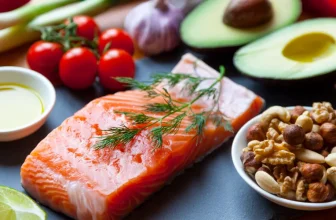
Protein can make meals more satisfying and plays an important role in maintaining and repairing body tissues. Chicken, fish, eggs, lean meat, dairy products, beans, lentils, tofu, nuts, and seeds can all contribute to your daily intake.
I find it useful to decide on the week’s main protein sources before shopping. You might plan chicken for several meals, fish for one or two dinners, eggs for breakfast, and beans or lentils for another meal.
This also helps prevent the common problem of opening the refrigerator and discovering that you have plenty of vegetables but nothing substantial to build a meal around.
Add Plenty of Vegetables and Fruit
Vegetables and fruit should have a regular place in meal planning because they provide fiber, vitamins, minerals, and other beneficial compounds. Planning them in advance makes it much easier to eat them consistently.
Think about adding vegetables to meals you already enjoy rather than treating them as a separate chore. Add spinach or tomatoes to eggs, vegetables to rice dishes, greens to sandwiches, or roasted vegetables alongside your main protein.
Fruit can be just as simple. Keep a few options available for breakfast, snacks, or dessert, and rotate what you buy based on availability and preference.
Choose Carbohydrates That Work for You
Carbohydrates are an important source of energy and can come from many different foods. Rice, potatoes, oats, whole grains, bread, pasta, beans, fruits, and other foods can all contribute carbohydrates to a balanced diet.
You do not need to eliminate carbohydrates to plan healthy meals. Instead, consider the types and portions that work best for your goals, activity level, and preferences.
If you exercise regularly, carbohydrates can be particularly useful for supporting physical activity. The right amount varies from person to person, so there is no need to force your meals into a single formula.
Make Your Shopping List Before Going to the Store
A shopping list is one of the simplest tools for successful meal planning. Once you know roughly what you will eat, write down the ingredients you actually need rather than walking through the store and buying whatever looks appealing.
I like organizing the list by category, such as vegetables, fruit, protein, grains, dairy, and pantry items. This makes shopping faster and reduces the chance of forgetting an important ingredient.
A list can also reduce food waste. If you know that three meals require tomatoes, spinach, and onions, you can buy enough for those meals instead of filling the refrigerator with produce that may never get used.
Use Ingredients More Than Once
One of my favorite meal-planning shortcuts is giving ingredients multiple jobs. If you buy a large amount of spinach, for example, you can use it in eggs, salads, sandwiches, and cooked meals throughout the week.
The same principle works with proteins and grains. Cooked chicken can become part of a rice bowl one day and a salad the next, while a batch of rice can accompany several different meals.
This approach saves both time and money. It also reduces the number of ingredients you need to keep track of.
Meal Prep Without Spending All Day Cooking
Meal preparation does not have to mean cooking every meal for the entire week. Sometimes preparing two or three ingredients in advance is enough.
You could cook a batch of rice, wash and cut vegetables, prepare several portions of chicken, or boil eggs for quick meals. Once those ingredients are ready, assembling dinner can take only a few minutes.
I prefer this flexible approach because food quality and personal preferences can change during the week. Having components ready gives you convenience without forcing you to eat the exact same prepared meal several days in a row.
Keep Quick Meals Available
Even the best meal plan will eventually meet a busy day. Instead of pretending those days will never happen, plan for them.
Keep ingredients for simple meals available, such as eggs, canned beans, frozen vegetables, oats, yogurt, whole-grain bread, or canned fish. These foods can become a meal quickly when cooking a complicated recipe is not realistic.
Frozen and canned foods can be extremely useful here. They are not automatically inferior to fresh foods, and they can make healthy eating considerably easier when time is limited.
Plan for Snacks
Not everyone needs snacks, but if you regularly become hungry between meals, planning them can prevent random eating. Fruit, yogurt, nuts, boiled eggs, vegetables with hummus, or other nutritious options can work depending on your preferences.
The goal is not to eat constantly. A planned snack should serve a purpose, such as bridging the gap between meals when you are genuinely hungry.
I also avoid keeping the concept too rigid. If you are not hungry, there is no reason to eat a snack simply because it appears on the meal plan.
Make Room for Foods You Enjoy
A healthy meal plan should not feel like punishment. If every meal consists of foods you believe are healthy but do not actually enjoy, maintaining the plan will become difficult.
Include foods you genuinely like while paying attention to portions and overall balance. A favorite pasta dish, homemade burger, dessert, or other enjoyable food can exist within a generally nutritious eating pattern.
This flexibility also makes social occasions easier. You should be able to eat with friends and family without feeling that one restaurant meal has ruined your entire week.
Avoid the Perfection Trap
Meal planning can become counterproductive when every deviation feels like failure. You might plan grilled chicken for Tuesday, discover that you are out of chicken, and conclude that the entire system has fallen apart.
That is not a planning failure. It is normal life.
I think a successful meal plan should have alternatives built into it. If one protein is unavailable, use another. If you planned vegetables that have gone bad, use frozen vegetables instead. If you cannot cook dinner, use one of your quick meals.
The plan should serve you, not the other way around.
Keep Your Budget in Mind
Healthy eating does not require expensive specialty products. Beans, lentils, eggs, oats, potatoes, rice, seasonal produce, and other basic foods can form the foundation of affordable meals.
Buying larger packages when you know you will use them, preparing food at home, and using leftovers can also reduce costs. Planning helps because you are less likely to make expensive last-minute food purchases when you already have meals available.
I also recommend checking what you already have before shopping. Pantry ingredients can easily get forgotten, and using them before buying more reduces both spending and waste.
Review Your Plan Each Week
After trying your meal plan, take a few minutes to evaluate it. Which meals were easy to prepare? Which ingredients went unused? Which meals kept you satisfied, and which left you hungry shortly afterward?
These observations are more valuable than trying to follow a perfect template. If a recipe takes an hour to prepare and you consistently avoid making it, replace it with something simpler.
Meal planning should become easier over time because you learn what works for you. Each week gives you information that can improve the next one.
Final Thoughts
Healthy meal planning is not about controlling every meal with precision. It is about creating an environment where nutritious choices are convenient, ingredients are available, and you have a reasonable idea of what you will eat before hunger and a busy schedule make the decision for you.
Start with a few reliable meals, build a practical shopping list, prepare some ingredients in advance, and leave room for flexibility. You do not need a refrigerator full of identical containers or a complicated spreadsheet to make meal planning work.
The best system is the one you can repeat. When planning becomes a simple part of your weekly routine rather than another demanding task, healthy eating becomes much easier to maintain.