Can You Lose Weight Without Exercising?

The idea that weight loss only happens in the gym has convinced many people that they cannot lose fat unless they spend hours exercising every week. I have found that this belief discourages people before they even begin. While regular exercise offers tremendous health benefits, it is not a requirement for losing weight.
What matters most is creating a calorie deficit, which simply means using more energy than you consume through food and drinks. Exercise can certainly help increase that deficit, but nutrition plays the much larger role. I have seen people lose significant amounts of weight by improving their eating habits alone, even when structured workouts were not part of their routine.
Weight Loss Starts in the Kitchen
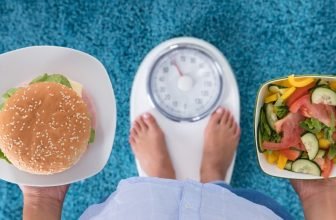
The biggest factor in weight loss is the amount of food I eat each day. Exercise burns calories, but it is surprisingly easy to eat back those calories with one large meal or a few unhealthy snacks. That is why I focus on my nutrition before worrying about spending hours in the gym.
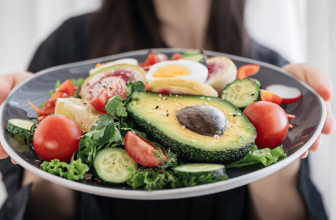
A balanced eating plan built around lean protein, vegetables, fruits, whole grains, and healthy fats naturally helps reduce calorie intake without leaving me constantly hungry. These foods provide more nutrients and keep me satisfied longer than highly processed alternatives.
Improving food choices also feels more sustainable than trying to exercise away poor eating habits. Building consistent nutrition habits creates results that last far beyond a short-term fitness challenge.
A Calorie Deficit Is What Matters
Many people believe certain exercises magically burn fat, but the body loses weight whenever it consistently uses more calories than it receives. That calorie deficit can come entirely from eating less, exercising more, or combining both approaches. The body responds to the overall energy balance rather than the specific method used to create it.
I prefer creating a moderate calorie deficit through nutrition because it is easier to maintain over time. Small, sustainable reductions in calorie intake often produce better long-term results than trying to burn hundreds of calories through daily workouts.
This does not mean starving or following extreme diets. The goal is to eat enough nutritious food to feel satisfied while allowing the body to gradually use stored fat for energy.
Protein Becomes Even More Important
When exercise is limited, eating enough protein becomes especially valuable. Protein helps preserve muscle while losing weight, which supports a healthy metabolism and improves body composition. It also keeps hunger under control, making it easier to maintain a calorie deficit.
I include protein in nearly every meal through foods such as chicken, fish, eggs, Greek yogurt, lean beef, cottage cheese, beans, and lentils. These foods digest slowly and help me stay full much longer than meals built mostly around refined carbohydrates.
Eating adequate protein also reduces the temptation to snack throughout the day. Feeling satisfied after meals is one of the biggest advantages of a high-protein eating plan.
Portion Sizes Make a Huge Difference
Healthy foods can still slow weight loss if portions become too large. Nuts, peanut butter, cooking oils, rice, pasta, and even avocado contain valuable nutrients, but they are also calorie dense. Eating more than intended can quietly eliminate a calorie deficit.
I pay attention to portion sizes instead of trying to eliminate foods completely. Using measuring cups or a food scale for a short period helps develop a much better understanding of what a realistic serving actually looks like.
Once portion awareness becomes a habit, maintaining a healthy calorie intake feels much easier. I no longer rely on guessing because I have learned what balanced meals should look like.
Walking Counts as Physical Activity
Although structured exercise is not required for weight loss, staying active still provides important benefits. Walking is one of the simplest ways to increase daily calorie expenditure without putting excessive stress on the body. It is accessible, requires no gym membership, and can fit into almost any schedule.
I enjoy walking because it feels less intimidating than intense workouts. A daily walk improves cardiovascular health, boosts mood, and supports weight loss without leaving me exhausted. Even short walks after meals can become a valuable part of a healthy lifestyle.
The goal is simply to move more whenever possible. Small increases in daily activity often add up over weeks and months.
Sleep Has More Influence Than Most People Realize
Sleep is frequently overlooked during weight loss discussions. Poor sleep affects hormones that regulate hunger and fullness, making it easier to overeat the following day. It also reduces energy levels, making healthy decisions feel more difficult.
I notice a clear difference in my appetite after a good night’s sleep. I crave fewer sugary foods, feel more energetic, and have an easier time sticking to my meal plan. Improving sleep quality often supports weight loss without changing anything else.
Simple habits like maintaining a regular bedtime, limiting screen time before sleep, and reducing caffeine late in the day can improve both sleep and overall health.
Avoid Drinking Your Calories
One of the easiest ways to reduce calorie intake is by paying attention to beverages. Soft drinks, sweetened coffee drinks, fruit juices, milkshakes, and alcoholic beverages can contribute hundreds of calories without providing much fullness. Many people overlook these calories because they come from drinks instead of meals.
Water remains my primary beverage throughout the day because it hydrates without adding calories. Black coffee, sparkling water, and unsweetened tea are also excellent options that fit comfortably into a weight loss plan.
Replacing sugary drinks with lower-calorie alternatives can produce noticeable results without requiring dramatic dietary changes.
Build Meals That Keep You Full
Constant hunger is one of the biggest reasons diets fail. Instead of focusing only on calorie numbers, I build meals that naturally increase fullness. Protein, fiber, and healthy fats work together to slow digestion and reduce cravings between meals.
A balanced plate usually includes lean protein, vegetables, a moderate serving of whole grains or potatoes, and a small amount of healthy fat. This combination keeps energy levels steady while reducing the urge to snack throughout the day.
Meals that satisfy hunger make weight loss feel much less restrictive. Feeling comfortably full helps turn healthy eating into a habit rather than a daily struggle.
Patience Produces Better Results
Weight loss without exercise may happen slightly more slowly than combining diet with regular physical activity. That does not mean it is ineffective. Slow, steady progress is often more sustainable because it allows healthy habits to develop naturally.
I avoid becoming discouraged by temporary fluctuations on the scale. Water retention, sodium intake, stress, and hormonal changes can all affect body weight from one day to the next. Looking at weekly trends provides a much more accurate picture of progress.
Long-term consistency will always outperform short bursts of extreme effort. Lasting success comes from habits that remain manageable month after month.
Exercise Still Offers Important Benefits
Although exercise is not essential for losing weight, I would never describe it as unimportant. Regular physical activity strengthens the heart, improves mood, increases energy, supports bone health, and helps preserve muscle mass during weight loss. These benefits extend well beyond what the scale can measure.
Strength training becomes especially valuable because it helps maintain muscle while the body loses fat. Cardio improves endurance and overall fitness while increasing daily calorie expenditure. Together, they support a healthier body even if nutrition remains the primary driver of weight loss.
Rather than viewing exercise as punishment for eating, I see it as an investment in long-term health. That mindset makes it easier to stay active for years instead of only exercising during a diet.
Conclusion
The answer to the question, can you lose weight without exercising, is yes. A consistent calorie deficit created through healthy eating habits is enough to reduce body fat over time. Many people achieve impressive weight loss by improving their nutrition, controlling portions, staying hydrated, and building meals that keep them satisfied.
That said, exercise remains one of the best things you can do for your overall health. Combining balanced nutrition with regular physical activity provides the greatest long-term benefits, but if exercise is not possible right now, do not let that stop you from pursuing your weight loss goals. Building healthier eating habits today can still lead to meaningful and lasting results.