
The Best Foods to Support Heart Health
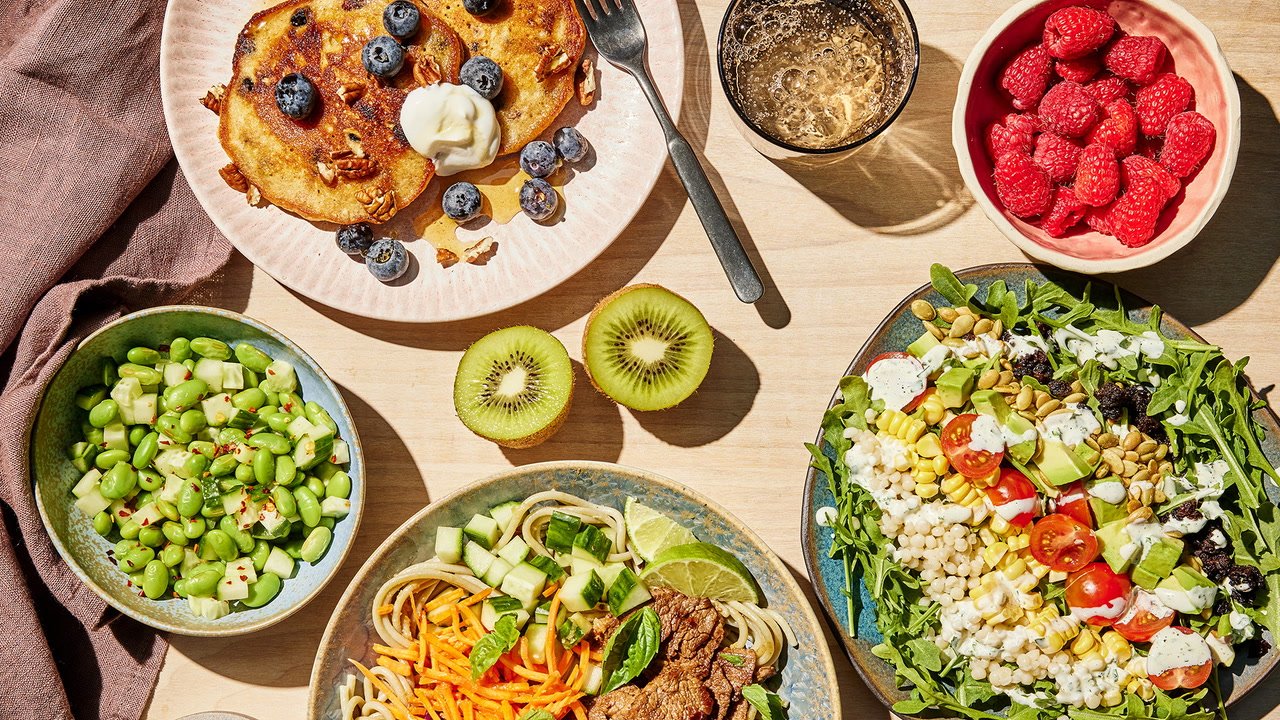
Heart disease remains one of the leading health concerns worldwide, yet many of the daily choices we make can have a meaningful impact on heart health. While factors like age and genetics play a role, the food I eat every day is something I can control. Building meals around nutritious ingredients has helped me support my overall health without following restrictive or complicated diets.
Healthy eating for the heart is not about eliminating entire food groups or searching for miracle foods. It is about consistently filling my plate with ingredients that provide fiber, healthy fats, vitamins, minerals, and antioxidants while limiting foods that contribute little nutritional value. Small improvements repeated over time often make the biggest difference.
While eating right protects your arteries, tracking your exercise intensity is just as critical. Use our companion Heart Rate Zone Calculator to instantly map out your personal aerobic training tiers.
Fatty Fish
Fatty fish is one of the first foods I think about when I want to support heart health. Salmon, sardines, trout, mackerel, and herring are rich in omega-3 fatty acids, which help support normal heart function and may reduce inflammation throughout the body.
These fish also provide high-quality protein along with nutrients such as vitamin D, selenium, and vitamin B12. Including them in meals once or twice a week adds variety while supplying nutrients that are difficult to obtain from many other foods.
Grilling, baking, or air frying fish keeps preparation simple while allowing the natural flavor to stand out. Even canned salmon or sardines can be convenient options for quick meals.
Oats and Whole Grains
Whole grains are an excellent source of fiber, particularly soluble fiber, which can help support healthy cholesterol levels as part of a balanced diet. Oats are especially well known because they contain beta-glucan, a type of soluble fiber associated with heart health.
I enjoy starting my day with oatmeal topped with berries and nuts because it provides lasting energy while helping me stay full until lunchtime. Brown rice, quinoa, barley, and whole-wheat bread are also regular parts of my meal plan.
Replacing refined grains with whole grains is one of the simplest nutritional upgrades I have made. It improves both the quality of my diet and the satisfaction I get from meals.
Leafy Green Vegetables
Leafy greens deserve a permanent place on my plate because they provide vitamins, minerals, antioxidants, and fiber while remaining naturally low in calories. Spinach, kale, Swiss chard, and lettuce all contribute nutrients that support overall cardiovascular health.
These vegetables are incredibly versatile and easy to include in everyday meals. I add spinach to omelets, kale to soups, and mixed greens to sandwiches and salads.
The more vegetables I include throughout the day, the easier it becomes to build balanced meals that support both heart health and weight management.
Berries
Berries are packed with antioxidants, fiber, and vitamin C, making them one of the most nutritious fruits I regularly eat. Blueberries, strawberries, raspberries, and blackberries provide natural sweetness while supporting overall health.
Their fiber content also helps increase fullness, making berries a satisfying snack or breakfast addition. I often mix them into Greek yogurt, oatmeal, or smoothies for extra nutrition.
Keeping frozen berries on hand allows me to enjoy them year-round without worrying about spoilage.
Nuts and Seeds
Almonds, walnuts, pistachios, chia seeds, flaxseeds, pumpkin seeds, and sunflower seeds provide healthy unsaturated fats along with fiber, magnesium, vitamin E, and plant protein. These nutrients contribute to a balanced eating pattern that supports cardiovascular health.
I usually enjoy a small handful of nuts as a snack or sprinkle seeds over salads and oatmeal. These simple additions increase both flavor and nutritional value without requiring extra preparation.
Because nuts and seeds are calorie dense, I pay attention to portion sizes while making them a regular part of my diet.
Beans and Lentils
Beans and lentils are nutritional powerhouses that combine plant protein with large amounts of fiber. Black beans, kidney beans, chickpeas, and lentils help create filling meals while supporting healthy cholesterol levels and steady blood sugar.
They are also rich in potassium, magnesium, iron, and folate. I frequently add them to soups, salads, curries, and grain bowls because they are affordable, satisfying, and easy to prepare.
Replacing some red meat meals with legumes is a simple way to increase fiber intake while adding more plant-based nutrition to my diet.
Avocados
Avocados provide heart-healthy monounsaturated fats that make meals both satisfying and nutritious. They also contain fiber, potassium, vitamin E, and several B vitamins that contribute to overall health.
I enjoy sliced avocado on whole-grain toast, mixed into salads, or added to wraps and sandwiches. Its creamy texture makes it an easy substitute for less nutritious spreads in many meals.
Moderation is still important because avocados contain a significant amount of calories. A reasonable serving fits comfortably into a balanced eating plan.
Olive Oil
Olive oil is one of the healthiest cooking fats I regularly use. It is rich in monounsaturated fats and antioxidant compounds that support heart health when used in place of saturated fats such as butter.
I drizzle olive oil over roasted vegetables, use it in homemade salad dressings, or lightly coat foods before roasting. These simple substitutions improve both flavor and nutritional quality.
Using olive oil alongside plenty of vegetables creates meals that are satisfying without feeling overly heavy.
Fruits and Vegetables of All Colors
While certain fruits and vegetables receive more attention than others, I have learned that variety matters most. Different colors often indicate different vitamins, minerals, and plant compounds that work together to support overall health.
Red tomatoes, orange carrots, yellow peppers, purple cabbage, green broccoli, and white onions all contribute unique nutritional benefits. Filling half my plate with vegetables and fruit is one of the easiest habits I can maintain.
Eating a rainbow of produce throughout the week naturally increases my intake of fiber, antioxidants, and essential nutrients.
Limit Highly Processed Foods
Supporting heart health is not only about adding nutritious foods. It also involves reducing foods that contribute excessive amounts of added sugar, sodium, unhealthy fats, and refined carbohydrates.
I do not completely eliminate processed foods because balance is important, but I try to keep highly processed snacks, sugary drinks, pastries, and fast food as occasional treats rather than daily staples.
Preparing more meals at home gives me greater control over ingredients while making it easier to build balanced, nutritious meals.
Healthy Eating Works Best Alongside Healthy Habits
Food is only one piece of the puzzle. Regular physical activity, adequate sleep, stress management, avoiding tobacco, and maintaining a healthy body weight all contribute to heart health.
I have found that healthy habits reinforce one another. Eating nutritious meals gives me more energy to stay active, while regular exercise motivates me to continue making better food choices.
Focusing on long-term lifestyle changes instead of short-term diets creates results that are much easier to maintain over time.
Conclusion
The best foods to support heart health include fatty fish, whole grains, leafy green vegetables, berries, nuts, seeds, beans, lentils, avocados, olive oil, and a wide variety of colorful fruits and vegetables. These foods provide fiber, healthy fats, vitamins, minerals, and antioxidants that work together to support a healthy cardiovascular system.
Rather than searching for one perfect food, I focus on building balanced meals filled with nutrient-rich ingredients most of the time. Combined with regular exercise and other healthy lifestyle habits, these food choices create a strong foundation for protecting heart health an