Portion Control Tips That Actually Work
Eating healthy foods is an important part of losing weight, but portion sizes can quietly determine whether progress continues or comes to a standstill. I have discovered that even nutritious meals can contain more calories than my body needs when I consistently serve myself oversized portions. Learning to control how much I eat has been one of the most valuable skills I have developed for long-term weight management.
The good news is that portion control does not require feeling hungry or measuring every bite forever. Small adjustments can naturally reduce calorie intake while allowing meals to remain satisfying and enjoyable. These simple strategies have helped me eat appropriate amounts without making every meal feel restrictive.
Use Smaller Plates and Bowls
One of the easiest changes I made was switching to smaller dinner plates and bowls. Large plates create the illusion that normal portions look small, encouraging me to serve more food than necessary. A smaller plate makes the same amount of food appear more satisfying, helping me feel content with less.
This simple visual trick works surprisingly well because much of eating is influenced by perception. A full smaller plate feels more satisfying than a half-empty oversized plate, even when both contain the same amount of food.
I still enjoy generous-looking meals, but I achieve that by serving balanced portions instead of automatically increasing the amount of food.
Fill Half Your Plate With Vegetables
Vegetables make portion control much easier because they provide volume without excessive calories. Filling half my plate with vegetables leaves less room for calorie-dense foods while helping me feel comfortably full. Their fiber and water content also slow digestion, keeping hunger under control for longer.
Broccoli, spinach, carrots, cabbage, cauliflower, green beans, peppers, cucumbers, zucchini, and leafy greens all work well. Rotating different vegetables throughout the week keeps meals colorful and prevents boredom.
Making vegetables the largest part of the meal allows me to enjoy generous portions without dramatically increasing calorie intake. It is one of the simplest ways to improve both nutrition and satisfaction.
Measure Portions for a Short Time
Before I started measuring food, I was surprised by how inaccurate my estimates were. Foods like rice, pasta, peanut butter, nuts, cereal, and cooking oil often looked like one serving when they were actually two or three. Those small differences added hundreds of extra calories without me realizing it.
Using a food scale or measuring cups for a few weeks helped train my eyes to recognize realistic serving sizes. I did not need to measure forever because the practice gradually improved my ability to estimate portions more accurately.
This short learning period removed much of the guesswork from healthy eating. Knowing what a proper serving looks like makes portion control much easier in everyday life.
Eat Slowly
One habit that transformed my eating was slowing down during meals. It takes time for the brain to recognize that the stomach is full, so eating too quickly often leads to consuming far more food than necessary before fullness kicks in.
I make an effort to chew thoroughly, put my fork down occasionally, and enjoy the flavors instead of rushing through meals. Eating at a slower pace naturally reduces how much I consume while making meals more enjoyable.
Slowing down also helps me notice when I have had enough. Instead of eating until I feel overly full, I stop when I feel comfortably satisfied.
Start With Protein
I usually eat the protein on my plate first because it helps control hunger early in the meal. Protein digests more slowly than refined carbohydrates and promotes a greater feeling of fullness. Starting with protein often reduces the temptation to overeat other foods later in the meal.
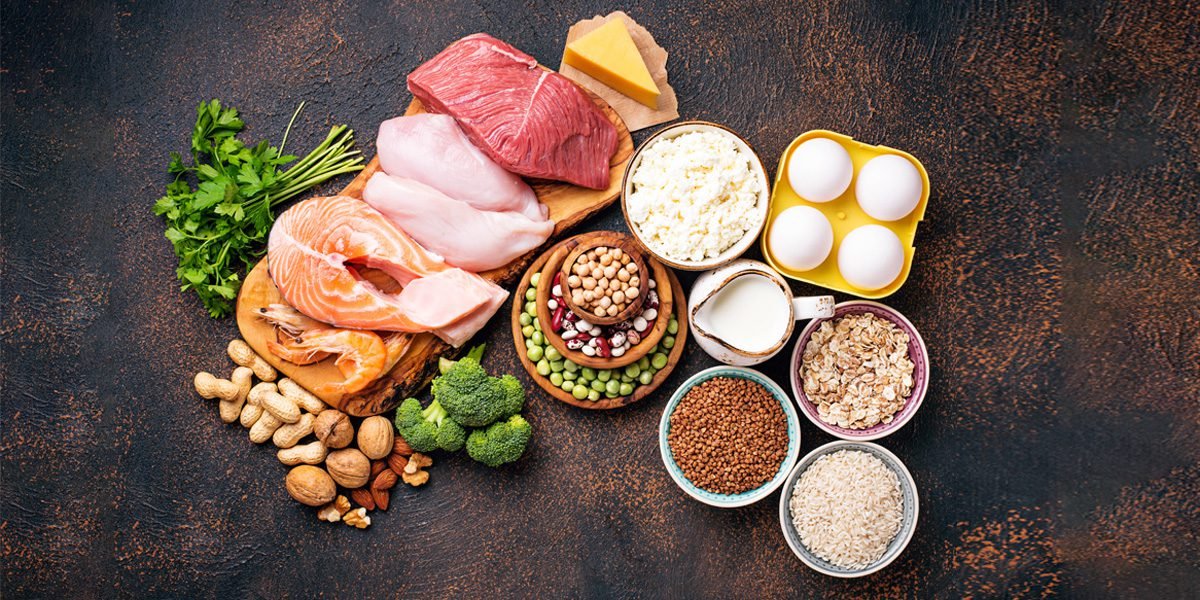
Chicken, fish, lean beef, eggs, Greek yogurt, tofu, cottage cheese, and legumes are all excellent protein choices. Building meals around these foods creates lasting satisfaction while supporting muscle maintenance during weight loss.
Combining protein with vegetables also makes meals feel substantial without relying on oversized portions of rice, pasta, or bread.
Avoid Eating Straight From the Package
Eating directly from large bags or containers makes portion control almost impossible. Whether it is chips, nuts, crackers, or popcorn, I tend to lose track of how much I have eaten when there is no clear stopping point.
Instead, I portion snacks into a small bowl or plate before sitting down to eat. Once that serving is finished, I have a much better understanding of how much I actually consumed.
This habit also encourages mindful eating. Instead of absentmindedly reaching into a package while watching television, I become more aware of both my hunger and my portion size.
Drink Water Before Meals
Drinking a glass of water before eating has become part of my daily routine. Mild dehydration can sometimes feel like hunger, leading me to eat more than my body actually needs. Starting meals well hydrated makes it easier to recognize genuine hunger.
Water also creates a greater sense of fullness without adding calories. While it is not a substitute for food, it supports portion control by reducing the urge to overeat.
I continue drinking water throughout the day because proper hydration supports digestion, energy levels, and overall health alongside weight management.
Don’t Skip Meals
Skipping meals often sounds like an effective way to reduce calorie intake, but I have found that it usually has the opposite effect. Going too long without eating leaves me extremely hungry, making oversized portions much harder to resist at my next meal.
Eating balanced meals at regular intervals keeps my appetite under better control. When hunger remains manageable, making sensible portion decisions becomes much easier.
The best eating schedule depends on individual preferences. What matters most is avoiding the kind of extreme hunger that encourages overeating.
Serve Food in the Kitchen
Family-style meals often encourage multiple servings simply because the food remains within easy reach. I have noticed that I am much less likely to refill my plate when serving dishes stay in the kitchen instead of sitting on the dining table.
Serving one balanced plate before sitting down allows me to focus on enjoying the meal rather than constantly deciding whether to take more food. If I am genuinely hungry afterward, I can always return for additional vegetables.
This small environmental change reduces mindless eating without requiring any extra effort. Sometimes making healthy choices easier is more effective than relying on willpower alone.
Listen to Your Hunger Signals
For many years, I believed finishing everything on my plate was the right thing to do regardless of how full I felt. Over time, I realized that my body provides clear signals when it has had enough. Learning to recognize those signals has made portion control much more natural.
I now ask myself whether I am still physically hungry or simply continuing to eat because the food tastes good. Stopping when comfortably satisfied rather than completely full helps prevent unnecessary calorie intake without leaving me feeling deprived.
Listening to hunger cues takes practice, but it becomes easier with consistency. The more I pay attention, the better I become at eating the amount my body actually needs.
Allow Yourself Occasional Treats
Portion control is much easier when I do not label certain foods as completely off-limits. Telling myself I can never have dessert or pizza again usually makes those foods even more tempting. Eventually, that restriction often leads to overeating.
Instead, I enjoy treats occasionally while paying attention to portion sizes. Having one slice of cake or a small serving of ice cream allows me to satisfy cravings without turning one indulgence into an entire day of overeating. There are so many options available on user friendly, easy-to-follow websites like cakerecipesbook.com that can help you maintain and stay within your portion control and not feel guilty.
Balance is far more sustainable than perfection. Including favorite foods in moderation makes healthy eating feel like a lifestyle rather than a temporary diet.
Conclusion
Portion control does not require extreme restrictions or constant hunger. It is about becoming more aware of how much food your body truly needs while building habits that make healthy eating easier. Simple strategies like using smaller plates, measuring portions, eating slowly, filling half your plate with vegetables, and listening to your hunger signals can make a remarkable difference over time.
These portion control tips that actually work are practical because they fit into everyday life without making meals feel stressful or complicated. By focusing on consistency instead of perfection, you can reduce calorie intake naturally, enjoy your favorite foods in moderation, and build eating habits that support healthy, lasting weight management.