How to Eat Healthy on a Budget
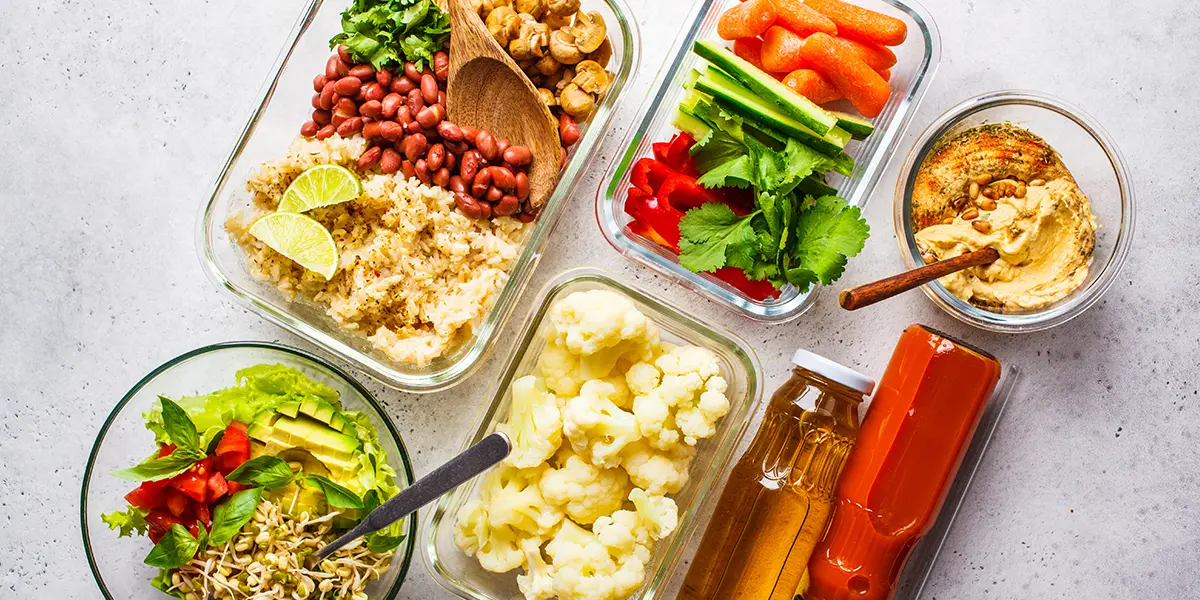
Eating well does not have to mean filling your shopping cart with expensive health foods, organic products, or specialty ingredients. In fact, some of the most nutritious foods in the supermarket are also among the most affordable. I have found that the real challenge is not the price of healthy food itself, but knowing how to shop, plan meals, use ingredients efficiently, and avoid spending money on food that never gets eaten.
A limited grocery budget can actually encourage a more practical approach to nutrition. Instead of chasing trendy products, you can build meals around simple staples such as eggs, beans, lentils, rice, oats, potatoes, seasonal vegetables, and affordable protein sources. With a little planning, these foods can provide the foundation for satisfying meals without putting unnecessary pressure on your finances.
Start With a Weekly Food Budget
Before changing what you buy, decide how much you can realistically spend on food. A budget gives you a limit to work within and makes it easier to decide which foods deserve most of your grocery money.
The amount will vary depending on household size, location, dietary requirements, and how often you eat outside the home. What matters is creating a number that reflects your actual circumstances rather than an unrealistic target.
I also find it helpful to separate groceries from restaurant meals and takeout. When everything comes from one category, it becomes harder to see where your money is actually going.
Plan Meals Before Shopping
Meal planning is one of the simplest ways to reduce grocery costs. When you know what you intend to cook, you can buy ingredients with a purpose rather than filling the cart with foods that happen to look appealing.
Start with a handful of meals that use inexpensive ingredients. Rice and beans, eggs with vegetables, oatmeal with fruit, chicken with potatoes, lentil stew, and vegetable-based soups can all form part of an affordable eating pattern.
You do not need seven completely different dinners. Repeating a few meals throughout the week can make shopping cheaper and reduce the amount of food that goes unused.
Build Meals Around Affordable Staples
Some of the most useful foods for a budget-friendly diet are basic staples that can be purchased regularly. Oats, rice, potatoes, maize, beans, lentils, eggs, and seasonal vegetables can provide substantial nutrition without requiring expensive preparation.
These foods are also versatile. Rice can accompany beans, chicken, vegetables, or fish, while eggs can work for breakfast, lunch, or dinner.
I would rather build a diet around foods that are affordable and useful in several meals than spend heavily on products marketed specifically as healthy.
Buy Protein Strategically
Protein can sometimes be one of the more expensive parts of a grocery bill, but there are plenty of ways to keep costs manageable. Eggs, beans, lentils, milk, yogurt, canned fish, chicken, and other affordable options can contribute significantly.
You do not need to eat expensive cuts of meat at every meal. Combining plant proteins with other affordable foods can provide variety while keeping spending under control.
I also find that buying larger packages can help when the price per unit is lower and you know you will actually use the food. There is no financial benefit to buying in bulk if half of it ends up in the trash.
Choose Seasonal Produce
Fruit and vegetables can become expensive when you buy varieties that are out of season or difficult to source locally. Seasonal produce is often a more practical choice.
Instead of building your entire meal plan around a specific vegetable, look at what is affordable and available and then decide how to use it. This makes your grocery list more flexible.
Frozen vegetables can also be extremely useful. They have a long shelf life, require little preparation, and can provide an easy way to keep vegetables available when fresh produce is expensive or inconvenient.
Do Not Ignore Frozen and Canned Foods
Fresh food can be wonderful, but it is not the only way to eat well. Frozen vegetables and fruit can be nutritious and convenient, while canned beans, tomatoes, fish, and other foods can save considerable preparation time.
When buying canned products, check the nutrition information for added sugar and sodium where relevant. Some foods are available in lower-sodium versions, and rinsing certain canned foods can also reduce some of the sodium.
The biggest advantage is often shelf life. Foods that stay usable for weeks or months reduce the risk of throwing away money because fresh ingredients spoiled before you had time to cook them.
Buy in Bulk When It Makes Sense
Bulk purchases can lower the cost of frequently used foods. Rice, oats, beans, lentils, flour, and other shelf-stable ingredients can be particularly suitable for this approach.
However, bigger is not always cheaper in practical terms. If you rarely eat a particular food, buying a large package may simply create more waste.
I like to think about cost per use rather than package size. A smaller item that gets completely eaten can be a better financial decision than a giant package that spends months sitting in the pantry.
Cook More Often at Home
Restaurant meals and takeout can become a significant part of a food budget, particularly when they happen several times a week. Cooking at home gives you more control over both ingredients and spending.
Home cooking does not need to mean elaborate recipes. A simple combination of protein, vegetables, and a staple carbohydrate can be prepared quickly and often costs considerably less than ordering the same type of meal.
You can also cook larger quantities and use leftovers for another meal. This effectively turns one cooking session into several meals.
Use Leftovers Properly
Food waste is one of the easiest ways to lose money without realizing it. If you cook a large pot of food but forget about it in the refrigerator, the original savings disappear.
Plan meals around leftovers instead of treating them as an afterthought. Extra chicken can become part of lunch, leftover vegetables can go into eggs or rice, and cooked beans can be used in several different meals.
Freezing portions can also help when you know you will not eat everything within a few days. Having prepared food in the freezer can save both money and time later.
Learn a Few Cheap Recipes
You do not need a huge collection of recipes to eat well on a budget. A small group of reliable meals can carry much of the week.
Think about dishes that combine affordable ingredients while providing protein, fiber, and other nutrients. Lentil stew, bean dishes, vegetable soups, egg-based meals, rice bowls, oatmeal, and simple chicken dinners can all be adapted in countless ways.
Once you become comfortable with these basic meals, you can change seasonings and vegetables to create variety without buying a completely new set of ingredients every time.
Make Your Own Snacks
Packaged snacks can quietly increase a grocery bill. Individual portions of chips, bars, cookies, and other convenience foods often cost more than buying basic ingredients and preparing your own snacks.
Fruit, yogurt, boiled eggs, oats, nuts, seeds, and homemade popcorn can provide alternatives depending on your preferences and budget.
This does not mean you need to eliminate packaged snacks entirely. The point is simply to notice how much of your grocery money is going toward convenience and decide whether those purchases are worth it.
Drink More Water
Beverages can consume a surprising amount of a food budget, especially when sugary drinks, specialty coffees, juices, and other purchased beverages become daily habits.
Water is inexpensive and can be the main beverage for most people. Unsweetened tea and homemade coffee can also provide affordable alternatives to frequent purchases from cafes and restaurants.
Reducing paid beverages can free up money for foods that provide more nutritional value. It is one of the simplest budget changes because it does not require changing the meals themselves.
Compare Prices Per Unit
The sticker price does not always tell you which product is the better deal. A larger package may appear more expensive but cost less per kilogram, liter, or individual serving.
Comparing unit prices can help you identify genuine bargains. This is particularly useful when choosing between different package sizes or brands.
I would still consider quality and how much you will actually use. Saving a small amount on a product you dislike is not necessarily a good purchase.
Use Store Brands
Store-brand products are often cheaper than their branded equivalents while offering similar basic ingredients. Rice, oats, canned foods, frozen vegetables, dairy products, and other staples can often be purchased this way.
There is no nutritional requirement to buy the most recognizable brand. If two similar products have comparable ingredients and nutrition information, the cheaper option may be the sensible choice.
This is particularly helpful when you are buying staples repeatedly. Small savings on common foods can add up over an entire year.
Shop With a List
A shopping list creates a simple barrier between you and impulse purchases. Without one, it is easy to walk into the store for five items and leave with twenty.
Write your list based on the meals you have planned and the foods you actually need. Checking the pantry and refrigerator before leaving home makes the list even more accurate.
I also try to avoid shopping while extremely hungry. When you are already craving food, highly processed snacks and ready-to-eat products can become much harder to ignore.
Grow What You Can
Growing some of your own food can be useful if you have the space and interest, although it is not necessary for healthy eating on a budget. Herbs, leafy greens, tomatoes, and other vegetables can sometimes be grown in relatively small spaces.
The financial savings depend heavily on local prices, available space, and how successfully you can grow the food. Gardening should not be treated as a requirement for affordable nutrition.
Still, growing even a small amount can reduce how often you purchase certain ingredients and can make fresh produce more accessible.
Do Not Chase Health Food Trends
One of the easiest ways to overspend is buying products simply because they are marketed as healthy. Protein bars, specialty cereals, powders, imported superfoods, and expensive snacks can add substantial costs without being necessary for a nutritious diet.
Look at what the food actually provides rather than what the package promises. A bowl of oats with fruit can be an affordable breakfast, while a premium packaged breakfast product may cost several times as much.
Healthy eating is not a competition to buy the most fashionable ingredients. Basic foods have been supporting healthy diets for generations.
Final Thoughts
Eating healthy on a budget comes down to making your money work harder. Plan your meals, build around affordable staples, buy protein strategically, choose seasonal produce, use frozen and canned foods, cook at home, and make an effort to reduce food waste.
You do not need an expensive kitchen, a refrigerator full of specialty products, or a complicated meal plan. Eggs, beans, lentils, rice, oats, potatoes, vegetables, fruit, and affordable protein sources can provide the foundation for a nutritious diet.
The biggest advantage of a budget-friendly approach is that it can become sustainable. When healthy eating fits your finances as well as your nutritional goals, you are much more likely to maintain it month after month rather than treating it as a temporary project.