
How to Build Healthy Eating Habits That Stick
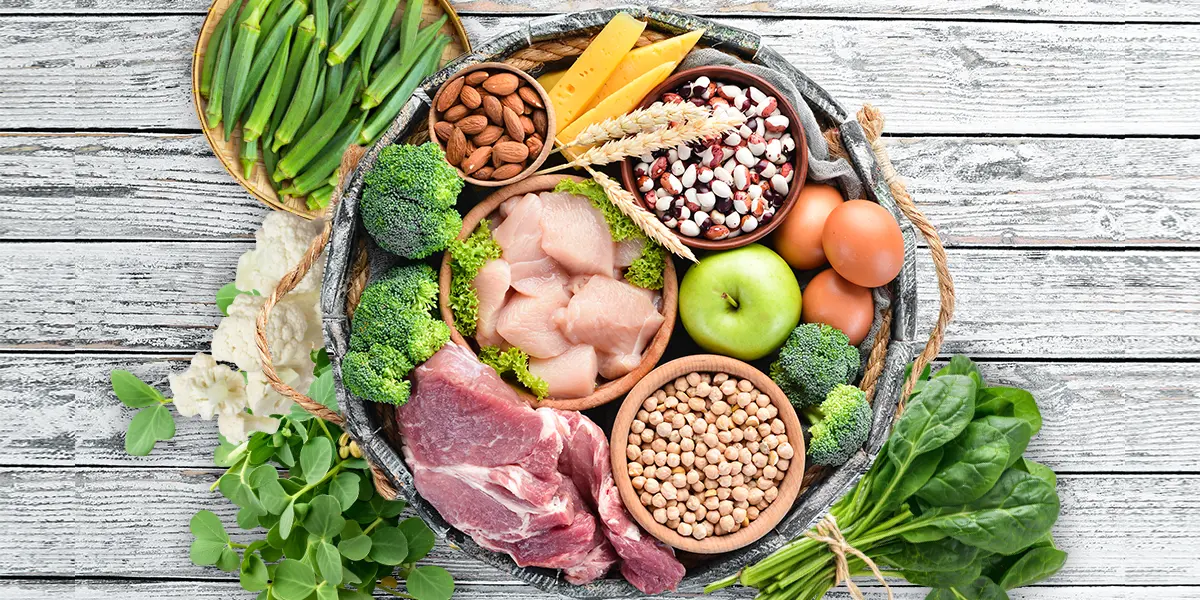
Healthy eating is rarely difficult because people do not know what healthy food looks like. Most of us already know that vegetables, fruits, whole grains, protein-rich foods, and minimally processed meals deserve a regular place on the plate. The harder part is turning that knowledge into habits that survive busy mornings, stressful afternoons, weekends, travel, social events, and the occasional day when cooking feels like the last thing you want to do.
I have found that lasting change usually comes from making healthy choices easier rather than demanding more willpower. A complicated diet can work for a short period because motivation is high, but habits have to function after that initial excitement disappears. The goal is to build a way of eating that feels ordinary enough to continue without constantly thinking about it.
Start With One Change
Trying to overhaul your entire diet overnight can create unnecessary pressure. You might decide to eliminate sugar, cook every meal, eat more vegetables, stop eating out, drink more water, and completely change your breakfast all at once. That sounds productive, but it can quickly become exhausting.
I prefer starting with one behavior that is specific and realistic. Adding a serving of vegetables to dinner, eating fruit with breakfast, or replacing a sugary drink with water can be a better starting point than attempting to follow a perfect diet immediately.
Once the first habit becomes routine, another change becomes easier to introduce. Small improvements may not feel dramatic in the beginning, but their value comes from being repeated consistently.
Make Healthy Food Convenient
Convenience has a huge influence on what we eat. When you are hungry and there is nothing prepared, the easiest option often wins, regardless of how good your intentions were earlier in the day.
This is why I think the environment around you matters as much as motivation. Keep foods you want to eat regularly visible and accessible, while making less nutritious options less convenient rather than relying entirely on self-control.
Washed fruit on the counter, prepared vegetables in the refrigerator, cooked protein ready for a quick meal, and simple ingredients in the pantry can all reduce the amount of effort required to eat well.
Build Meals Around Real Food
A healthy eating habit becomes easier when meals are built around recognizable foods. Vegetables, fruits, legumes, whole grains, eggs, fish, poultry, dairy products, nuts, and seeds can provide a strong nutritional foundation.
This does not mean you have to eliminate packaged foods completely. Some convenience foods can fit perfectly well into a balanced diet, especially when they help you prepare meals quickly.
The bigger goal is to make minimally processed and nutrient-rich foods the foundation of your diet rather than something you eat only when you are being particularly disciplined.
Create Reliable Breakfasts
Breakfast does not need to be elaborate. Having a few nutritious options you can prepare without much thought can remove one daily decision from your routine.
Eggs with whole-grain toast and fruit, oatmeal with yogurt and berries, or a simple yogurt bowl with fruit and nuts can all provide useful combinations of protein, carbohydrates, and other nutrients.
If you are not hungry in the morning, you do not necessarily need to force yourself to eat a large breakfast. Healthy habits should fit your appetite and schedule rather than requiring everyone to follow the same meal pattern.
Make Lunch Easier
Lunch is often where healthy intentions start to disappear, particularly when work or school leaves little time for preparation. Having a few dependable meals can make a major difference.
Leftovers are one of the easiest solutions. A balanced dinner can become tomorrow’s lunch without requiring another cooking session, and preparing a little extra food at dinner can save considerable time later.
You can also keep simple ingredients available for quick meals. Whole-grain bread, eggs, canned beans, vegetables, yogurt, fruit, and other staples can provide the foundation for a meal when there is no time for elaborate cooking.
Learn a Few Simple Dinners
You do not need dozens of recipes to eat well. Having five to ten meals that you genuinely enjoy and can prepare confidently is often more useful than collecting hundreds of recipes online.
A meal can be as simple as grilled chicken with rice and vegetables, beans with a grain and salad, fish with potatoes and greens, or eggs with vegetables and whole-grain toast.
Once these meals become familiar, you can change seasonings, vegetables, or protein sources to create variety without completely starting over every evening.
Make Protein Part of Your Routine
Protein plays an important role in maintaining and repairing body tissues and can contribute to satisfying meals. Including a protein source regularly can make it easier to build balanced meals.
Chicken, fish, eggs, lean meat, dairy products, beans, lentils, tofu, nuts, and seeds can all contribute protein. The right amount depends on individual factors such as age, body size, activity level, and overall diet.
Rather than obsessing over a perfect number, I find it more practical to ask whether your meals regularly contain a meaningful protein source. That simple habit can improve the structure of your diet without requiring constant calculations.
Eat More Fiber-Rich Foods
Fiber is another nutrient worth making habitual rather than something you think about occasionally. Vegetables, fruits, beans, lentils, whole grains, nuts, and seeds can all contribute fiber.
One easy strategy is to add rather than subtract. Put vegetables into meals you already enjoy, keep fruit available for snacks, use beans in stews and salads, and occasionally replace refined grains with whole-grain alternatives.
Increasing fiber gradually can also make the transition more comfortable. Your digestive system may need time to adapt to a significant increase in fiber, particularly if your previous diet was relatively low in it.
Drink More Water
Hydration is another habit that can become automatic when you make it convenient. Keeping water nearby at work, during exercise, or at home can make drinking regularly much easier.
You do not necessarily need to force yourself to drink enormous quantities. Fluid needs vary according to factors such as body size, activity, climate, and other individual circumstances.
Replacing some sugary drinks with water can be particularly useful because it reduces added sugar while maintaining hydration. Unsweetened tea and other low-sugar beverages can provide additional options.
Stop Relying on Perfection
One unhealthy meal does not erase weeks of nutritious eating. Yet many people treat a single deviation as evidence that their entire diet has failed.
I think this all-or-nothing mindset causes more damage than the occasional indulgence itself. If you eat a large meal at a restaurant or have dessert at a celebration, you do not need to compensate by starving yourself the next day.
Simply return to your normal routine at the next meal. Consistency is measured across weeks and months, not by whether every individual meal is perfect.
Plan for Difficult Days
Healthy habits become much stronger when they account for the days when everything goes wrong. You may work late, travel unexpectedly, feel exhausted, or simply have no interest in cooking.
Instead of pretending those situations will not happen, prepare for them. Keep a few quick meals available, use frozen vegetables, stock simple pantry ingredients, and know which nearby food options can provide a reasonably balanced meal when cooking is impossible.
This is one of the biggest differences between a realistic eating habit and a temporary diet. Realistic habits are designed for ordinary life, including the messy parts.
Avoid Making Foods Forbidden
Strict food rules can make certain foods seem more desirable. If you decide that you can never eat pizza, chocolate, cake, or another favorite food again, the restriction itself may become a constant source of attention.
A healthier approach is to consider how foods fit into your overall diet. Nutrient-rich foods can make up most of your meals while less nutritious foods remain occasional parts of your eating pattern.
This does not mean eating everything in unlimited quantities. It means removing the idea that one food automatically makes you unhealthy or that one meal determines whether your diet is successful.
Change Your Shopping Habits
The habits you build in the supermarket often determine what happens in the kitchen. If your home is stocked primarily with foods that require little preparation and provide limited nutritional value, eating well becomes harder.
A shopping list can help. Plan a few meals, identify the ingredients you need, and prioritize foods that can be used across several dishes.
I also find that shopping when you are extremely hungry can make impulse purchases more tempting. Having a basic plan before entering the store reduces the number of decisions you need to make.
Pay Attention to Your Eating Environment
Where and how you eat can influence your habits. Eating directly from a large package, for example, can make it harder to notice how much you have consumed.
Serving food onto a plate or bowl can create a clearer stopping point. Eating without constantly scrolling or watching something can also make it easier to notice hunger and fullness cues.
You do not need to make every meal completely distraction-free. The goal is simply to create enough awareness that eating becomes something you participate in rather than something that happens automatically while your attention is somewhere else.
Give Habits Time
Healthy habits rarely become automatic after a few days. The amount of time required varies depending on the behavior and the individual.
Missing one day does not mean you have failed. What matters is returning to the behavior rather than allowing one missed day to become a lost week.
I think consistency is easier when you stop expecting motivation to carry you. Motivation can get you started, but routines, preparation, and a supportive environment are what make the behavior easier to repeat.
Track Progress Beyond the Scale
Weight can be one useful measurement for people whose goal involves weight management, but it is not the only way to evaluate progress.
You might notice that you are eating vegetables more consistently, cooking at home more often, drinking fewer sugary beverages, or feeling more comfortable preparing meals. These changes may not immediately appear on a scale, but they represent meaningful improvements in your habits.
Looking at several measures can also prevent temporary fluctuations from affecting your motivation. Your long-term behavior matters more than what happens on one particular morning.
Final Thoughts
Healthy eating habits do not have to be dramatic to be effective. The most useful changes are often simple ones that can be repeated: keeping nutritious foods available, building balanced meals, eating more plants and fiber-rich foods, including protein regularly, drinking water, and planning for busy days.
I would focus on making the healthy choice the easy choice rather than trying to become a completely different person overnight. Give yourself reliable meals, a practical shopping routine, and enough flexibility to enjoy foods that may not fit perfectly into your everyday diet.
The habits that stick are usually the ones that fit naturally into your life. When healthy eating becomes a collection of ordinary actions rather than a temporary challenge, you no longer have to start over every Monday.