Beginner’s Guide to Portion Control
Portion sizes can make healthy eating surprisingly confusing. A meal can contain nutritious ingredients and still provide more food than you need, while a meal that looks small may leave you hungry an hour later. I find that portion control works best when it is treated as a practical skill rather than a strict set of numbers that you have to follow at every meal.
The goal is not to make every plate tiny or spend your life weighing food. It is to become more familiar with how much food feels appropriate for you and how different foods contribute to a satisfying meal. Once that awareness develops, controlling portions can become much less complicated.
What Portion Control Actually Means
Portion control is simply being aware of how much food you eat at a meal or snack. It is different from eliminating foods or following an extremely restrictive diet.
A portion is the amount you decide to eat, while a serving is a standardized amount used on nutrition labels and in dietary guidance. Those two amounts do not necessarily have to be the same.
This distinction matters because packaged foods often contain multiple servings. If you eat the entire package, you may be consuming several times the calories and nutrients listed for one serving.
Why Portions Matter
The amount of food you eat influences how much energy and nutrients you consume. Even nutritious foods can contribute more calories than you realize when portions become consistently larger than your body’s needs.
This does not mean you should be afraid of large meals or carefully measure everything. Hunger, activity levels, food composition, and individual nutritional needs all influence how much someone needs to eat.
I think portion awareness is most useful as a way to notice patterns. If your meals have gradually become larger without you realizing it, becoming more aware of portions can help you make adjustments without completely changing what you eat.
Learn to Recognize Hunger
One of the most useful skills in portion control is learning to pay attention to hunger and fullness. Instead of automatically eating until the plate is empty, consider how hungry you actually feel before and during the meal.
Hunger can vary throughout the day. A meal after a demanding workout may need to be larger than a meal eaten after a relatively inactive afternoon.
This is why I do not think everyone should eat identical portions. Your appetite can provide useful information, particularly when combined with the nutritional quality of your meals.
Build a Balanced Plate
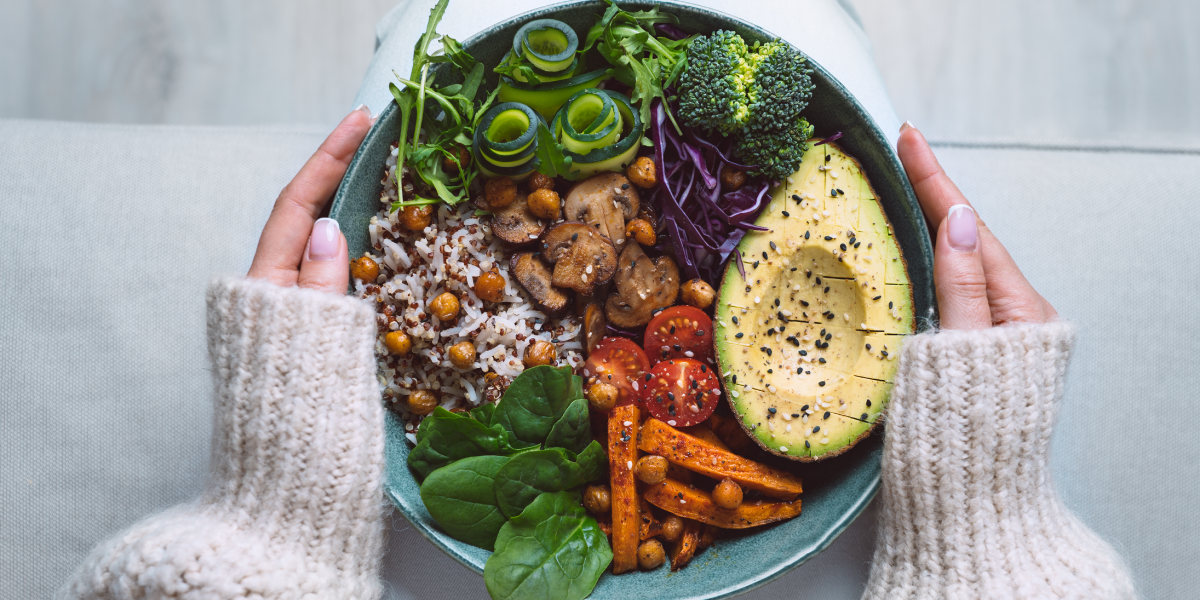
Rather than focusing entirely on how much food you can remove, think about what you can include. A balanced plate can contain a source of protein, plenty of vegetables or fruit, a carbohydrate source, and an appropriate amount of healthy fat.
Chicken, vegetables, rice, and avocado are one example. Beans, vegetables, potatoes, and a small amount of olive oil can create another balanced combination.
The exact proportions do not have to be perfect. The idea is simply to create meals that contain several important food groups instead of allowing one type of food to dominate every meal.
Use Your Hands as a Guide
Your hands can provide a simple visual reference when you do not want to weigh food. For example, some people use the palm as a rough guide for protein, a fist for vegetables, and a cupped hand for carbohydrate-rich foods.
This method is not a precise measurement, and individual needs differ. A larger person or someone with higher energy requirements may naturally need more food.
I like visual methods because they are practical outside the kitchen. You can use them at a restaurant, while traveling, or when eating at someone else’s home without carrying a food scale.
Pay Attention to Energy-Dense Foods
Some foods provide a lot of energy in relatively small amounts. Oils, butter, nuts, seeds, cheese, and other high-fat foods can be nutritious while still contributing substantial calories.
This does not mean you should avoid them. It simply means portions can matter more with these foods.
A small amount of olive oil can add flavor to vegetables, while a large amount can substantially change the energy content of the meal. The same principle applies to spreads, dressings, sauces, and other calorie-dense additions.
Do Not Fear Carbohydrates
Portion control is sometimes presented as an argument for eliminating rice, potatoes, bread, pasta, or other carbohydrate-rich foods. I do not think that is necessary.
Carbohydrates can provide energy and important nutrients depending on the food source. Whole grains, potatoes, legumes, fruits, and vegetables can all fit into a balanced diet.
Instead of asking whether you should eat carbohydrates at all, consider the portion that fits your meal and your individual needs. Someone who exercises regularly may require more carbohydrate than someone with a much lower activity level.
Start With Protein
Protein can help make meals satisfying and plays an important role in maintaining and repairing body tissues. Including a protein source can also make it easier to create a balanced plate.
Eggs, chicken, fish, lean meat, yogurt, milk, beans, lentils, tofu, nuts, and seeds can all contribute protein.
I find it easier to think about building a meal around a protein source than trying to calculate every nutrient separately. Once protein is included, vegetables, carbohydrates, and healthy fats can be added according to hunger and individual goals.
Fill Up on Vegetables
Vegetables can add substantial volume to meals while providing fiber, vitamins, minerals, and other nutrients. Increasing the vegetable portion can therefore be a useful way to make meals satisfying without relying entirely on calorie-dense foods.
Leafy greens, broccoli, cauliflower, cabbage, tomatoes, peppers, carrots, mushrooms, and green beans are just a few possibilities.
I also think preparation matters. Roasted vegetables, stir-fries, salads, soups, and vegetable-based stews can make eating more vegetables feel like part of the meal rather than an obligation.
Use Smaller Plates Carefully
Using smaller plates can sometimes make portions look more substantial because the same amount of food occupies more visual space. For some people, this can be a useful environmental cue.
However, I would not treat smaller plates as a magic solution. If you are genuinely hungry, simply using a tiny plate may leave you unsatisfied and encourage you to return for additional servings.
The plate is a tool, not a rule. The more important goal is becoming familiar with portions that leave you comfortably satisfied.
Slow Down During Meals
Eating quickly can make it harder to notice fullness. Your attention may still be focused on finishing the meal before your body has had enough time to register how much you have eaten.
Slowing down does not mean turning every meal into a meditation session. Simply putting your utensils down occasionally, taking a drink of water, or pausing halfway through a meal can create more awareness.
I find that removing distractions can help as well. When you are constantly focused on a phone or television, it becomes easier to eat automatically rather than paying attention to the meal.
Be Careful With Drinks
Liquid calories can be easy to overlook. Sugary sodas, sweetened coffee drinks, juices, and other beverages can contribute significant energy without creating the same feeling of fullness as solid food.
Water, unsweetened tea, and other low-calorie beverages can be useful everyday options. This does not mean you can never enjoy a sweet drink.
The important point is awareness. If you regularly drink calories without accounting for them, reducing the frequency or portion can sometimes be an easier adjustment than changing your meals.
Understand Restaurant Portions
Restaurant portions can be considerably larger than what you would normally serve yourself at home. This can make portion control difficult even when the food itself is nutritious.
You can share a meal, save part for later, order a smaller option, or simply stop eating when you are comfortably satisfied rather than automatically finishing everything.
I would not approach restaurant meals with anxiety. Eating out is part of normal life, and one large meal does not determine your overall diet. Portion awareness simply gives you more control over how much you decide to eat.
Do Not Turn Portion Control Into Restriction
There is an important difference between being aware of portions and constantly trying to eat as little as possible. Portion control should not become an excuse to ignore hunger or deprive yourself of adequate nutrition.
If you are regularly hungry, exhausted, unable to concentrate, or struggling with exercise because you are eating too little, the solution may be to reassess the overall diet rather than continually reducing portions.
Healthy eating requires enough food as well as appropriate amounts. The goal is balance, not permanent hunger.
Practice With Familiar Foods
You do not need to learn portion sizes for hundreds of foods at once. Start with the meals you already eat regularly.
Pay attention to how much rice, pasta, meat, vegetables, oils, sauces, or other ingredients you normally serve. After doing this repeatedly, you begin to develop a visual reference for what different amounts look like.
A kitchen scale can be useful temporarily if you want to understand portions more accurately, particularly for foods where serving sizes are difficult to estimate. You do not necessarily need to weigh everything forever.
Portion Control and Weight Management
Portion awareness can be useful for people whose goal is weight management because the amount of food consumed influences total energy intake. Reducing portions slightly can sometimes create a meaningful change without requiring someone to eliminate favorite foods.
However, weight management is more complicated than portion size alone. Activity, sleep, food composition, individual biology, medications, and many other factors can influence body weight.
I prefer to think of portion control as one tool within a broader healthy eating pattern. It should support your goals rather than become the entire focus of your diet.
Final Thoughts
Portion control does not require tiny meals, constant calorie counting, or fear of particular foods. It is about becoming more aware of how much you are eating and learning how different portions affect your hunger, energy, and overall diet.
Build meals around nutritious foods, include protein and vegetables regularly, pay attention to calorie-dense additions, and use simple visual cues when precise measurements are not practical. Most importantly, listen to your hunger and fullness rather than assuming everyone needs the same amount of food.
The goal is not to control every bite. It is to develop enough awareness that you can serve yourself appropriate amounts naturally, enjoy your meals, and make adjustments when your needs change.