The Ultimate Guide to Grocery Shopping on a Healthy Diet
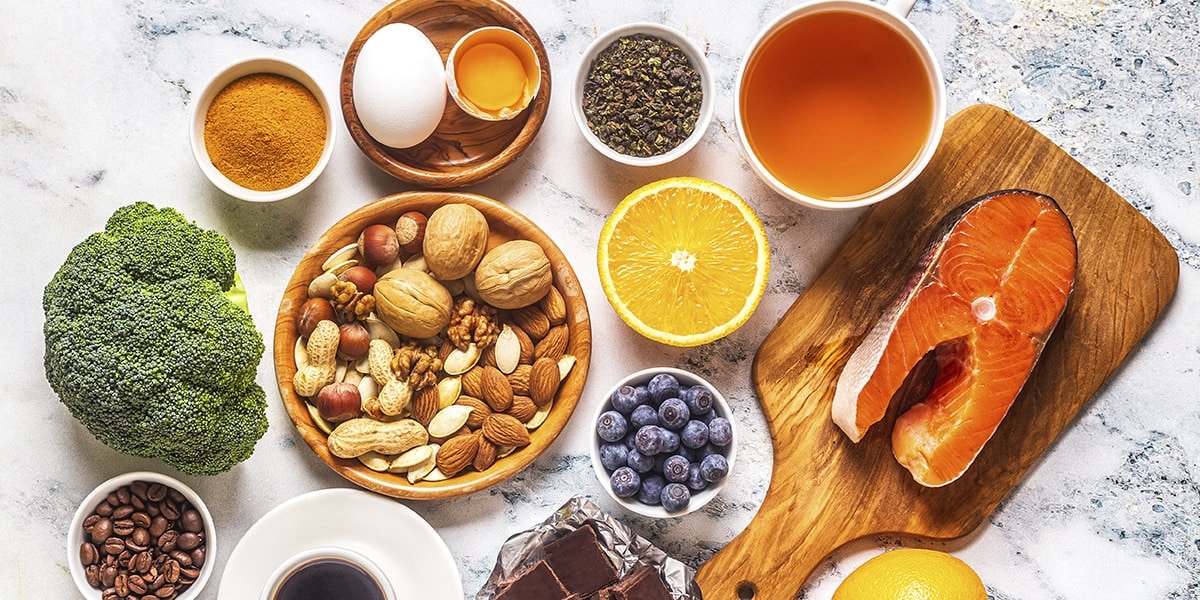
Healthy eating usually starts long before food reaches the plate. It starts in the supermarket, at the market stall, or wherever you buy the ingredients that will eventually become your meals. When the kitchen is stocked with nutritious foods that you actually enjoy, eating well becomes much easier. When the refrigerator is empty or filled mostly with foods you did not plan to buy, even the best intentions can disappear quickly.
I think grocery shopping becomes much simpler once you stop treating it as a hunt for “healthy” products and start thinking about what you want your meals to look like. A good shopping trip should give you enough protein, vegetables, fruits, whole grains or other carbohydrate sources, healthy fats, and convenient options for busy days. It should also fit your budget and reduce the amount of food that ends up forgotten at the back of the refrigerator.
Start With Your Meals
The easiest way to shop for a healthy diet is to decide what you are going to eat before you walk into the store. You do not need to plan every meal perfectly, but having a rough idea of your breakfasts, lunches, dinners, and snacks can prevent random purchases.
I usually find it helpful to think in terms of meals rather than individual ingredients. If you know you want chicken with rice and vegetables several times during the week, you immediately know which ingredients belong on the shopping list.
This approach also reduces waste because you are buying food with a purpose. Instead of purchasing vegetables because they look appealing and hoping you eventually use them, you already know which meals will contain them.
Check What You Already Have
Before writing a shopping list, take a quick look through the refrigerator, freezer, and pantry. You may already have rice, oats, beans, frozen vegetables, spices, canned fish, or other ingredients that can form the foundation of several meals.
This simple step can save more money than almost any shopping trick. It also prevents you from buying duplicates and allows you to use foods before they expire.
I like thinking of the kitchen as a starting inventory. Once you know what is already available, you only need to buy what fills the gaps.
Build Your List Around Protein
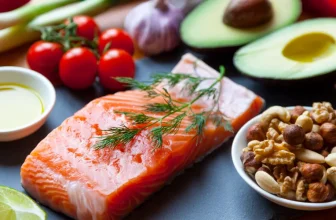
Protein is an important part of a balanced diet and can help make meals satisfying. Depending on your preferences, useful options include eggs, chicken, fish, lean meat, yogurt, milk, beans, lentils, tofu, nuts, and seeds.
I recommend deciding on several protein sources before shopping rather than buying one large quantity of the same food. This creates more variety throughout the week and makes it easier to build different meals.
You also do not need to buy expensive cuts of meat or specialty products. Eggs, beans, lentils, canned fish, and other basic foods can provide substantial nutritional value without dramatically increasing your grocery bill.
Fill the Cart With Vegetables
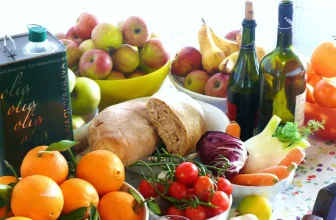
Vegetables are one of the easiest ways to improve the nutritional quality of your meals. Leafy greens, tomatoes, carrots, onions, peppers, broccoli, cabbage, green beans, and other vegetables can provide fiber, vitamins, minerals, and other beneficial compounds.
I like buying a combination of vegetables that I know I will use rather than filling the cart with produce simply because it looks healthy. A smaller amount that actually gets eaten is more useful than a refrigerator full of vegetables that eventually go bad.
Frozen vegetables can be extremely practical as well. They can stay available for busy days and often require little preparation, making it easier to include vegetables even when fresh produce is not convenient.
Do Not Forget Fruit
Fruit makes an easy addition to breakfasts, snacks, and desserts. Bananas, apples, oranges, berries, mangoes, melons, pears, and other seasonal options can provide fiber and a variety of vitamins and minerals.
Buying fruit that is easy to eat can make a difference. If you are constantly busy, foods that require extensive preparation may be ignored even if they are nutritious.
Frozen fruit can also be useful for smoothies, oatmeal, yogurt, or other meals. There is no requirement that all healthy food must be fresh.
Pick Your Carbohydrate Sources
Carbohydrates provide energy and can be an important part of a balanced diet. Rice, potatoes, oats, whole-grain bread, pasta, maize, beans, lentils, fruits, and other foods can all contribute carbohydrates.
The amount and type you buy should reflect your personal needs. Someone who exercises regularly may want more carbohydrate-rich foods than someone with a much lower activity level.
I would focus more on food quality than on fearing carbohydrates. Whole grains, legumes, fruits, vegetables, and other minimally processed sources can provide useful nutrients alongside their carbohydrates.
Include Healthy Fats
Healthy fats can add flavor and nutritional value to meals. Avocados, nuts, seeds, olives, olive oil, and certain fish are useful options.
Because fats contain a relatively high amount of energy, you do not necessarily need enormous quantities. A bottle of cooking oil can last much longer than you expect when used thoughtfully.
I also find that nuts and seeds are versatile grocery items. They can be added to oatmeal, salads, yogurt, vegetables, or grain-based meals without requiring much preparation.
Read Food Labels
Packaged foods can absolutely fit into a healthy diet, but the front of the package does not always tell the complete story. Claims such as “natural,” “high protein,” “low fat,” or “multigrain” can make products sound healthier than they actually are.
Turn the package around and look at the nutrition information. Serving size, protein, fiber, added sugar, sodium, saturated fat, and the ingredient list can provide much more useful information.
You do not need to inspect every package for several minutes. Once you know which numbers matter to you, comparing two similar products can take less than a minute.
Shop the Perimeter, But Do Not Live by the Rule
You may have heard the advice to shop only around the perimeter of the supermarket because that is supposedly where all the healthy food is. There is some logic behind the idea, but I would not take it literally.
Fresh produce, meat, fish, and dairy are often located around the outside, but nutritious foods also exist throughout the center aisles. Oats, beans, lentils, rice, canned fish, frozen vegetables, nuts, seeds, and many other useful foods may be found in those aisles.
The better rule is to shop based on the food rather than the location. A supermarket aisle is not automatically unhealthy, and a product around the perimeter is not automatically nutritious.
Use Frozen and Canned Foods
Fresh food is not the only option. Frozen vegetables and fruit can be convenient, affordable, and easy to store, while canned beans, tomatoes, fish, and other foods can simplify meal preparation.
When buying canned foods, I often check the sodium and added sugar content. Lower-sodium options can be useful, and some canned foods can be rinsed before eating to reduce some of the sodium.
Convenience matters. If frozen vegetables mean you eat vegetables three more times a week than you otherwise would, they are serving a useful purpose.
Buy Foods You Will Actually Eat
This sounds obvious, but it is one of the most important grocery-shopping rules. Buying an enormous amount of food because you believe you should eat it does not guarantee that you will actually want to eat it.
If you hate a particular vegetable, you do not have to force yourself to buy it every week. There are plenty of alternatives that provide similar nutritional benefits.
Healthy eating becomes much easier when the food in your kitchen is food you genuinely enjoy. Preference is not an obstacle to nutrition; it is part of making nutrition sustainable.
Plan for Busy Days
Your grocery list should account for the days when cooking is not going to happen. This is where convenience foods can become useful.
Keep a few quick options available, such as eggs, yogurt, canned beans, canned fish, frozen vegetables, oats, whole-grain bread, or prewashed produce. These foods can become meals quickly when your schedule gets hectic.
I would rather have a practical backup meal available than pretend that every evening will involve an hour of cooking. Planning for difficult days is part of healthy grocery shopping.
Buy Snacks Intentionally
If you regularly snack, put some thought into what you want available between meals. Fruit, yogurt, nuts, seeds, vegetables with hummus, boiled eggs, or other simple foods can provide useful options.
You do not need to eliminate treats from your shopping list either. If you enjoy chocolate, biscuits, or another snack, you can buy a reasonable amount rather than relying on an all-or-nothing approach.
The goal is to create an environment that supports your eating habits without making your kitchen feel like a place where nothing enjoyable is allowed.
Save Money Without Sacrificing Nutrition
Healthy grocery shopping does not require a premium budget. Beans, lentils, eggs, oats, rice, potatoes, seasonal vegetables, bananas, and other basic foods can be remarkably affordable.
Buying larger packages can make sense when you know you will use them, but buying in bulk is not automatically cheaper if half the food ends up being wasted. Storage space and how quickly you consume an item both matter.
Seasonal produce can also help reduce costs. Instead of planning your diet around a fixed list of expensive ingredients, adjust your meals according to what is affordable and available.
Avoid Shopping When Extremely Hungry
Shopping while very hungry can make highly processed, ready-to-eat foods much harder to ignore. Your brain is looking for immediate energy, and the supermarket is full of products designed to be tempting.
I would not rely on this as a strict rule, but having a meal or snack before a large grocery trip can make it easier to stick to your list.
Even better, enter the store with a plan. Knowing exactly what you need reduces the number of decisions you have to make while surrounded by hundreds of products.
Create a Repeatable Shopping Routine
The easiest grocery system is one you can repeat. Pick a regular shopping day, keep a running list during the week, and build your meals around foods you know you will use.
You can also keep a basic list of household staples. When rice, oats, eggs, or another regular item runs low, add it immediately rather than trying to remember everything when you finally go shopping.
Over time, your grocery trips become faster because you already know what works. You are no longer starting from scratch every week.
Final Thoughts
Healthy grocery shopping is less about finding perfect products and more about creating a kitchen that makes nutritious eating convenient. Start with your meals, check what you already have, build your list around protein, vegetables, fruit, useful carbohydrate sources, and healthy fats, and leave room for practical foods that help you handle busy days.
Do not be afraid of canned or frozen foods, and do not assume that expensive products are automatically better. Read labels when necessary, compare similar products, and buy foods you genuinely enjoy eating.
The most successful grocery trip is the one that leaves you with ingredients you will actually use. When your refrigerator, freezer, and pantry support the way you want to eat, healthy meals become less dependent on motivation and much more a natural part of everyday life.