DASH Diet: Everything You Need to Know

The DASH diet was not designed to be a trendy weight-loss plan, and that is one of the reasons I find it so interesting. Its original purpose was to help address high blood pressure through a dietary pattern built around vegetables, fruits, whole grains, beans, nuts, low-fat dairy, fish, poultry, and other nutrient-rich foods. Over time, it has also attracted attention from people who want a practical approach to eating well without relying on extreme restrictions.
What makes the DASH diet different is that it focuses heavily on the overall quality of a person’s diet rather than a single food, supplement, or complicated rule. When I look at the plan as a whole, the biggest theme is straightforward: eat more foods that provide important nutrients while reducing foods that tend to contribute large amounts of sodium, added sugar, and saturated fat. That makes it useful far beyond a conversation about blood pressure.
What Is the DASH Diet?
DASH stands for Dietary Approaches to Stop Hypertension. The eating pattern was developed through research into dietary approaches that could help lower blood pressure, particularly through greater consumption of foods rich in nutrients such as potassium, calcium, magnesium, and fiber.
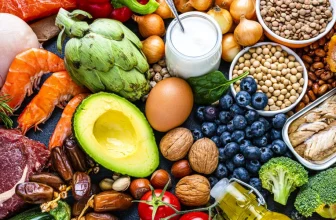
The basic structure is remarkably familiar. Vegetables, fruits, whole grains, legumes, nuts, seeds, fish, poultry, and low-fat dairy products feature prominently, while foods high in saturated fat, added sugar, and sodium are limited. Red meat, processed meat, sugary drinks, sweets, and highly processed foods generally take up less space than they do in a typical Western-style diet.
I think that familiarity is one of the diet’s greatest strengths. You do not need to buy exotic ingredients or follow elaborate recipes to get started. Much of the food already available in an ordinary supermarket can fit naturally into the DASH pattern.
Why the DASH Diet Was Developed
High blood pressure is influenced by many factors, including genetics, physical activity, body weight, stress, medications, and dietary habits. Researchers wanted to investigate whether changing the overall composition of a person’s diet could have a meaningful effect on blood pressure.
The resulting research helped establish the DASH eating pattern as a dietary approach associated with improvements in blood pressure. Its emphasis on fruits and vegetables, whole grains, legumes, nuts, and low-fat dairy also provided a broader nutritional foundation than a plan focused on eliminating one particular ingredient.
That history matters because the DASH diet was not created primarily as a marketing product. It emerged from nutritional research, which helps explain why its principles continue to appear in discussions about cardiovascular health and healthy eating.
The Foods That Make Up the DASH Diet
Vegetables form a major part of the DASH pattern. Leafy greens, tomatoes, carrots, peppers, broccoli, cabbage, green beans, squash, and other vegetables can all contribute valuable fiber and micronutrients. I find that vegetables become easier to eat consistently when they are incorporated into familiar meals rather than treated as a separate obligation.
Fruit is another important component. Apples, oranges, bananas, berries, mangoes, melons, pears, and other fruits can provide fiber, vitamins, minerals, and natural sweetness. Whole fruit is generally more useful than relying heavily on fruit-flavored products or sweetened beverages because it retains the structure and fiber of the original food.
Whole grains also have an important role. Oats, brown rice, whole-grain bread, whole-wheat pasta, barley, and similar foods can provide carbohydrates alongside fiber and other nutrients. The goal is not to eliminate carbohydrates but to make nutritious sources a larger part of the overall pattern.
Protein Has a Place Too
The DASH diet does not require someone to become vegetarian. Fish, poultry, eggs, beans, lentils, peas, nuts, seeds, and dairy foods can all contribute protein. This gives the diet plenty of flexibility for people with different eating preferences.
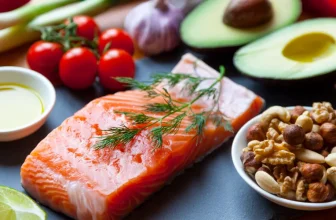
Fish is particularly useful because many varieties provide protein and beneficial unsaturated fats. Poultry can also work well as an alternative to processed meats or fatty cuts of meat. Beans and lentils are valuable additions because they provide plant protein along with fiber.
Red meat is not necessarily forbidden, but it generally occupies a smaller role than vegetables, whole grains, legumes, fish, and poultry. Processed meats such as sausages, bacon, and some deli meats are typically limited because they can contribute substantial amounts of sodium and saturated fat.
Why Sodium Gets So Much Attention
Sodium is one of the most recognizable features of the DASH diet. Excessive sodium intake can contribute to higher blood pressure in many people, which is why the DASH pattern emphasizes reducing foods that contain large amounts of added salt.
The challenge is that sodium is not limited to the salt shaker. Processed meats, packaged soups, instant noodles, sauces, snack foods, canned foods, fast food, and many convenience products can contain significant amounts of sodium. Someone who rarely adds salt while eating large amounts of packaged food may still consume considerably more sodium than they realize.
I find that reading food labels is one of the most practical habits here. Comparing similar products can reveal substantial differences in sodium content, and choosing lower-sodium alternatives can gradually reduce intake without requiring every meal to become bland.
Potassium, Calcium, and Magnesium
The DASH diet also emphasizes foods that naturally provide potassium, calcium, and magnesium. These nutrients are found across many foods included in the eating pattern, including fruits, vegetables, legumes, whole grains, nuts, seeds, and dairy products.
Potassium is particularly interesting because it naturally occurs in foods such as bananas, potatoes, beans, leafy greens, tomatoes, and many fruits and vegetables. Calcium can be obtained from dairy foods as well as certain fortified products and other foods, while magnesium is found in foods such as nuts, seeds, legumes, and whole grains.
I would not recommend treating these nutrients as a reason to start taking supplements without a specific need. Food provides a complex combination of nutrients and other beneficial compounds, which is one reason the DASH diet focuses on improving the overall eating pattern rather than relying on individual pills.
DASH Diet and Blood Pressure
The strongest reason to pay attention to the DASH diet is its connection to blood pressure management. Research has found that following a DASH-style eating pattern can help lower blood pressure, particularly when combined with reduced sodium intake.
The effect can be especially relevant for people whose diets are high in sodium and low in fruits, vegetables, whole grains, and other nutrient-rich foods. Improving those areas can make the overall dietary pattern more supportive of cardiovascular health.
However, diet is only one part of blood pressure management. Anyone who has been diagnosed with high blood pressure should follow medical advice and prescribed treatment rather than assuming dietary changes can replace professional care.
DASH Diet and Weight Loss
The DASH diet is not inherently a low-calorie diet, but it can support weight management when meals are built around nutritious foods and portions are appropriate for the individual’s needs. Vegetables, fruits, whole grains, legumes, and other high-fiber foods can contribute to satisfying meals without relying heavily on highly processed foods.
I think this distinction is important because healthy eating and weight loss are related but not identical concepts. A food can be nutritious without being particularly low in calories, and eating excessive amounts of even healthy foods can still increase total energy intake.
If weight loss is the goal, the DASH pattern can provide a useful foundation while portion sizes, physical activity, sleep, and overall energy intake are considered separately. There is no need to turn the diet into an extreme restriction plan.
What Foods Should Be Limited?
The DASH diet places less emphasis on foods that are high in sodium, added sugars, saturated fats, and highly refined ingredients. This includes many processed meats, salty snacks, sugary drinks, sweets, heavily processed convenience foods, and foods containing large amounts of saturated fat.
That does not mean you need to declare these foods completely off-limits. I think an approach based on frequency works better than an approach based on fear. If most of your meals are built around nutrient-rich foods, occasional foods that do not fit perfectly into the DASH pattern can still exist within a balanced lifestyle.
Sugary drinks are one area where a reduction can make a noticeable difference for many people. Water, unsweetened tea, and other low-sugar beverages can replace some of the calories and added sugar found in sodas and other sweetened drinks.
How to Build a DASH-Friendly Plate
A simple meal can be built around several components rather than following a complicated recipe. Start with a generous serving of vegetables, add a source of protein such as fish, chicken, beans, lentils, or eggs, and include a portion of whole grains or another nutritious carbohydrate source.
A DASH-style dinner could contain grilled chicken, brown rice, steamed vegetables, and plain yogurt with fruit. Another meal might combine beans, whole-grain bread, a large salad, avocado, and a piece of fruit. These meals are different, but they share the same underlying principles.
Flavor does not have to disappear simply because you are reducing sodium. Garlic, ginger, lemon, lime, black pepper, paprika, cumin, coriander, herbs, chili, and other seasonings can add considerable flavor without relying entirely on salt.
Breakfast Ideas
Breakfast can be one of the easiest meals to adapt. Oatmeal topped with fruit and a small portion of nuts provides whole grains, fiber, and several important nutrients. Plain yogurt with fruit and oats can provide another quick option when you do not have much time in the morning.
Eggs can also fit into a DASH-style eating pattern. An omelet with vegetables alongside whole-grain toast and fruit creates a balanced meal without requiring complicated preparation. The rest of the day’s meals can then provide additional legumes, fish, poultry, dairy, and vegetables.
I would avoid getting trapped into thinking that a healthy breakfast has to look a certain way. The DASH principles can be applied to many different cuisines, which means you can adapt familiar foods rather than abandoning the foods you already enjoy.
Lunch Ideas
Lunch is often where convenience becomes important. A salad with beans or grilled chicken, vegetables, whole grains, and a lower-sodium dressing can provide a satisfying meal without taking a huge amount of time to prepare.
Another option is a grain bowl containing brown rice or another whole grain, vegetables, beans, chicken, avocado, and a homemade dressing. Leftovers can also work extremely well, especially when dinner already contains several DASH-friendly ingredients.
Sandwiches are not automatically excluded either. Whole-grain bread, grilled chicken or another lean protein, plenty of vegetables, and a lower-sodium spread can create a perfectly reasonable lunch. The important factor is the overall composition rather than whether a meal happens to be a sandwich.
Dinner Ideas
Dinner provides an opportunity to include a variety of foods. Grilled fish with roasted vegetables and potatoes is a straightforward option, while lentil stew with brown rice and a side of greens can provide a more plant-focused meal.
Chicken can be paired with vegetables, beans, and whole grains to create another balanced dinner. If you enjoy traditional dishes from your own culture, many can be adapted by reducing added salt, increasing vegetables, using less processed meat, or incorporating beans and whole grains.
I think this flexibility is essential for long-term success. A dietary pattern becomes much easier to maintain when it works with your existing food culture rather than demanding that you eat completely unfamiliar meals every day.
Snacks Can Still Fit
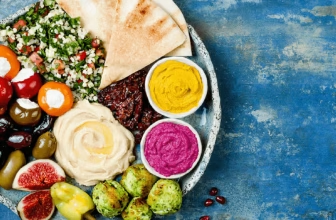
Snacking is not automatically incompatible with the DASH diet. Fruit, unsalted nuts, plain yogurt, vegetables, hummus, and other minimally processed foods can work well when you are genuinely hungry between meals.
Portions are still worth considering with foods such as nuts and seeds because they are relatively energy-dense. A modest serving can add healthy fats and other nutrients without turning a snack into a substantial meal.
There is also no rule requiring everyone to snack. If you are comfortable eating three meals without snacks, there is no nutritional reason to add them simply because a sample DASH meal plan includes them.
Eating DASH on a Budget
One concern people sometimes have is that healthy eating must be expensive. It certainly can become expensive if you rely heavily on specialty products, premium packaged foods, or restaurant meals, but the basic DASH pattern does not require those things.
Beans, lentils, oats, potatoes, seasonal vegetables, fruits, eggs, whole grains, and other staple foods can provide considerable nutritional value without requiring an expensive shopping list. Buying foods that are in season and preparing larger batches can also help stretch a grocery budget.
Frozen and canned foods can sometimes be useful too. Frozen vegetables can provide convenience, while canned beans can save preparation time; the main consideration with canned products is often their sodium content, which can sometimes be reduced by choosing lower-sodium varieties or rinsing beans before eating them.
Common Mistakes People Make
One common mistake is focusing exclusively on salt while ignoring the rest of the diet. Reducing sodium can be important, but the DASH pattern also emphasizes fruits, vegetables, whole grains, legumes, nuts, seeds, and other nutrient-rich foods.
Another mistake is assuming that every product labeled healthy automatically fits the diet. Packaged foods can still contain substantial amounts of sodium, added sugar, or saturated fat even when their marketing emphasizes health. Reading the nutrition label is often more useful than relying on front-of-package claims.
A third mistake is trying to change everything overnight. Completely rebuilding your diet in a single week can feel overwhelming and may make the process harder to sustain. Gradual changes, such as adding vegetables to one meal or replacing a high-sodium snack with a lower-sodium alternative, can be much easier to maintain.
How to Start the DASH Diet
I would start by looking at what you already eat rather than immediately creating an entirely new menu. Identify the meals that contain plenty of vegetables, whole grains, legumes, or lean protein and build more meals around those foundations.
Then look for the biggest sources of sodium and added sugar in your current diet. Packaged snacks, processed meats, sugary beverages, fast food, and heavily salted convenience foods are often easier places to make changes than trying to remove salt from every homemade meal.
After that, gradually increase the foods that the DASH pattern emphasizes. Add another serving of vegetables, eat fruit more regularly, use beans in meals, switch some refined grains for whole grains, and include fish or other nutritious protein sources when practical.
DASH Diet and Exercise
Nutrition is only one component of cardiovascular health. Regular physical activity can complement dietary improvements and contribute to better cardiovascular fitness, strength, metabolic health, and overall well-being.
The type of exercise that works best depends on the individual. Walking, cycling, swimming, sports, resistance training, and other forms of movement can all contribute to an active lifestyle. You do not need to follow a particular exercise program simply because you are following the DASH diet.
I also think it is useful to avoid treating exercise as punishment for eating. Food provides energy for movement, and physical activity should ideally be viewed as another part of taking care of your health rather than a way to compensate for meals.
Is DASH the Same as a Low-Sodium Diet?
The two ideas overlap, but they are not identical. A low-sodium diet focuses specifically on reducing sodium intake, while DASH describes a broader dietary pattern that includes greater consumption of fruits, vegetables, whole grains, legumes, nuts, seeds, and low-fat dairy alongside reduced intake of foods high in sodium, saturated fat, and added sugar.
This distinction means someone could reduce sodium without following the complete DASH pattern. Conversely, someone could eat many DASH-friendly foods while still consuming more sodium than recommended because of sauces, processed foods, or other ingredients.
The strongest approach is to consider both sides of the pattern. Reducing excessive sodium matters, but so does increasing the variety and nutritional quality of the foods on your plate.
What About Sweets?
Sweets are limited in the DASH pattern because foods high in added sugar generally provide fewer essential nutrients than nutrient-dense foods. That does not mean dessert has to disappear from your life completely.
A small portion of dessert can fit into an otherwise balanced eating pattern. The important distinction is between an occasional treat and a diet where sugary foods and drinks provide a large share of daily energy.
I prefer this approach because it leaves room for normal life. Birthdays, celebrations, restaurants, and family gatherings are part of how people eat, and a sustainable diet should be flexible enough to accommodate those situations.
The DASH Diet in Everyday Life
The best dietary pattern is one you can actually live with. If a plan requires completely different foods, constant calculations, or an unrealistic amount of meal preparation, it may become difficult to maintain regardless of how impressive it looks on paper.
DASH has an advantage here because its principles can be adapted to different cuisines and budgets. You can build DASH-style meals with foods commonly available in local markets, supermarkets, and ordinary kitchens rather than relying on specialized products.
That flexibility is also why I think it is better to focus on principles than perfection. More vegetables, more whole foods, more legumes and whole grains, less excessive sodium, and fewer heavily processed foods is a meaningful direction even if your diet does not match a textbook example every single day.
Final Thoughts
The DASH diet is best understood as a long-term eating pattern designed around foods that support overall health, with particular attention to blood pressure and cardiovascular health. Its foundation is built from vegetables, fruits, whole grains, legumes, nuts, seeds, fish, poultry, and dairy, while foods high in sodium, added sugar, saturated fat, and excessive processing are limited.
What I appreciate most about the DASH approach is that it does not require nutritional perfection. You can adapt it to your culture, budget, schedule, cooking ability, and personal preferences while still following its central principles. That makes it much more practical than a diet built around rigid rules.
If you want to improve your eating habits, you do not have to transform your entire kitchen overnight. Start by adding more vegetables and fruit, replacing some refined grains with whole grains, including beans and other nutritious protein sources, and paying closer attention to sodium and added sugar. Over time, those changes can turn the DASH diet from something you are reading about into a realistic way of eating.