What Makes a Balanced Plate?

Healthy eating often seems far more complicated than it needs to be. One day carbohydrates are being blamed for weight gain, the next day fat is the problem, and then protein becomes the latest obsession. I have found that instead of focusing on individual nutrients, it is much easier to build meals around balance. A balanced plate provides the body with the nutrients it needs while helping me stay satisfied and energized throughout the day.
The best part is that building balanced meals does not require complicated calculations or expensive ingredients. Once I understood what a balanced plate looks like, preparing healthy meals became much simpler. It also made weight management feel less restrictive because I no longer had to label foods as completely good or bad.
Start With Plenty of Vegetables
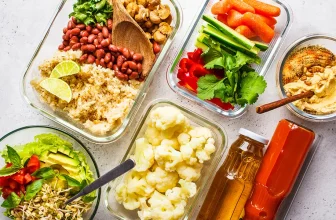
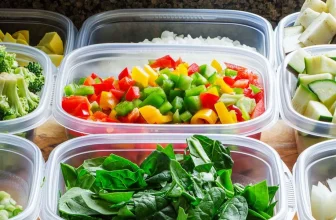
Vegetables are usually the largest part of my plate because they provide vitamins, minerals, fiber, antioxidants, and water while remaining relatively low in calories. Filling a generous portion of the plate with vegetables helps create satisfying meals without adding excessive calories.
I try to include a variety of colors whenever possible. Broccoli, spinach, carrots, peppers, tomatoes, cabbage, cauliflower, zucchini, green beans, and Brussels sprouts all contribute different nutrients that support overall health.
Fresh, frozen, and even many canned vegetables can all be nutritious choices. The important thing is making vegetables a regular part of everyday meals.
Include a Quality Source of Protein
Protein is an essential part of every balanced plate because it supports muscle maintenance, tissue repair, and healthy immune function. It also helps me stay full for longer, making it easier to manage hunger between meals.
Lean chicken, turkey, fish, eggs, Greek yogurt, cottage cheese, beans, lentils, tofu, and lean cuts of beef are all excellent protein sources. Including one of these foods in each meal creates a stronger nutritional foundation.
I have noticed that meals containing enough protein leave me far more satisfied than meals made mostly from refined carbohydrates.
Add Healthy Carbohydrates
Carbohydrates provide the body with energy, especially for the brain and muscles. Instead of avoiding them, I focus on selecting nutritious sources that also provide fiber and important vitamins.
Brown rice, oats, quinoa, whole-grain bread, sweet potatoes, beans, lentils, and fruit all make excellent additions to a balanced meal. These foods digest more slowly than highly refined carbohydrates, helping maintain steady energy levels throughout the day.
Including moderate portions of healthy carbohydrates allows me to enjoy satisfying meals without feeling deprived or constantly craving snacks.
Don’t Forget Healthy Fats
Healthy fats deserve a place on every balanced plate because they support heart health, hormone production, brain function, and the absorption of certain vitamins. They also make meals more enjoyable by adding flavor and texture.
I often include olive oil, avocado, almonds, walnuts, chia seeds, flaxseeds, or sunflower seeds in my meals. Even small portions contribute valuable nutrients while increasing feelings of fullness.
Because healthy fats contain more calories per gram than protein or carbohydrates, I enjoy them in sensible portions rather than avoiding them completely.
Fiber Brings Everything Together
One of the reasons balanced meals are so satisfying is because they naturally contain plenty of fiber. Vegetables, fruit, legumes, and whole grains all provide fiber that slows digestion and helps control appetite.
I notice that meals rich in fiber keep me full much longer than highly processed meals. They also help maintain healthy digestion and support steady blood sugar levels throughout the day.
Building meals around fiber-rich foods is one of the simplest ways to improve overall nutrition without feeling restricted.
Variety Improves Nutrition
No single food contains every nutrient the body needs. That is why I try to eat a wide variety of foods instead of relying on the same ingredients every day.
Different vegetables, fruits, proteins, grains, nuts, and seeds all contribute unique vitamins and minerals. Rotating these foods throughout the week naturally increases the range of nutrients in my diet.
Variety also prevents meals from becoming repetitive. Trying new recipes and ingredients keeps healthy eating interesting and much easier to maintain.
Portion Sizes Still Matter
Even when I eat healthy foods, portion sizes remain important. A balanced plate is not about filling it with unlimited amounts of nutritious foods. It is about creating meals that provide enough energy without consistently exceeding my body’s needs.
I often use my plate as a visual guide rather than measuring every ingredient. Filling a large portion with vegetables while keeping protein, carbohydrates, and healthy fats in reasonable amounts helps me maintain balance naturally.
This approach removes much of the stress associated with calorie counting while still supporting healthy weight management.
Water Completes the Meal
Although water does not appear on the plate itself, it is an essential part of every healthy meal. Proper hydration supports digestion, regulates body temperature, transports nutrients, and helps maintain energy levels throughout the day.
I usually drink water with my meals instead of sugary beverages. This simple habit reduces unnecessary sugar intake while helping me stay properly hydrated.
Sometimes what feels like hunger is actually mild dehydration. Drinking enough water throughout the day helps me recognize the difference.
Build Meals Around Whole Foods
The easiest way I have found to create balanced meals is by using mostly whole foods. Fresh vegetables, fruit, lean protein, whole grains, legumes, dairy products or fortified alternatives, nuts, seeds, and healthy oils naturally provide the nutrients my body needs.
Highly processed foods can certainly fit into a balanced lifestyle occasionally, but I try not to let them become the foundation of my diet. Whole foods generally contain more fiber, vitamins, and minerals while being more filling.
Preparing meals at home also gives me greater control over ingredients, making it easier to maintain a balanced eating pattern.
Balance Looks Different for Everyone
One important lesson I have learned is that there is no single plate that works perfectly for everyone. An athlete training every day may need more carbohydrates than someone with a less active lifestyle. Likewise, individual preferences, cultural traditions, and health conditions all influence what a balanced meal looks like.
Instead of comparing my meals with someone else’s, I focus on eating in a way that supports my own goals. Building meals around nutritious foods while adjusting portion sizes to match my activity level has proven far more effective than following rigid rules.
Healthy eating becomes much more sustainable when it fits naturally into everyday life instead of feeling like a temporary diet.
Conclusion
What makes a balanced plate is not a complicated formula or a strict set of food rules. A balanced meal includes plenty of vegetables, a quality source of protein, nutritious carbohydrates, healthy fats, fiber-rich foods, and water to support overall health. Together, these components provide the energy and nutrients the body needs while helping control hunger and maintain steady energy levels.
I have found that focusing on balance instead of perfection makes healthy eating much easier to sustain. Building most meals around whole foods, eating appropriate portions, and including a variety of nutritious ingredients creates a lifestyle that supports both long-term health and successful weight management. Small, consistent choices at each meal can have a lasting impact on overall well-being.