Simple Healthy Eating Habits Anyone Can Follow
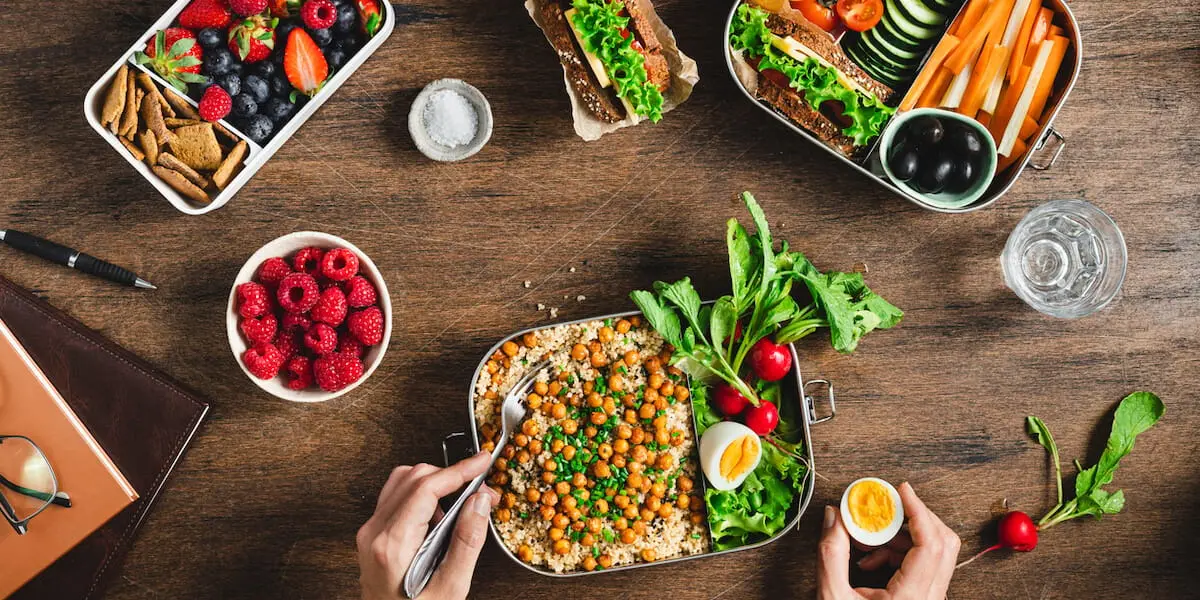
Healthy eating often feels far more complicated than it needs to be. Endless diet trends, conflicting nutrition advice, and strict meal plans can make it seem like eating well requires constant effort. I have found that lasting success rarely comes from following complicated rules. It comes from building simple habits that fit naturally into everyday life.
The biggest improvements in my diet did not happen overnight. They came from making small changes that I could repeat consistently. Those habits gradually became part of my routine, making healthy eating feel normal instead of something I had to force myself to do. Anyone can improve their nutrition by focusing on practical habits rather than chasing perfection.
Fill Your Plate With More Vegetables
One of the easiest ways I have improved my diet is by eating more vegetables. They provide fiber, vitamins, minerals, antioxidants, and water while being naturally low in calories. Adding vegetables to meals increases their nutritional value without making them overly complicated.
I try to include vegetables at both lunch and dinner whenever possible. Broccoli, spinach, carrots, cabbage, peppers, green beans, cauliflower, and tomatoes are all easy options that work with a wide variety of meals.
The goal is not to eat the same vegetables every day. Rotating different colors and varieties provides a wider range of nutrients while keeping meals interesting.
Include Protein With Every Meal
Protein helps support muscle maintenance, tissue repair, and healthy immune function. It also keeps me feeling full for longer, making it easier to avoid unnecessary snacking throughout the day.
Chicken, fish, eggs, Greek yogurt, cottage cheese, beans, lentils, tofu, and lean cuts of beef are all excellent protein sources. Including one of these foods with each meal creates a stronger nutritional foundation.
Balanced meals that contain enough protein leave me feeling much more satisfied than meals built mainly around refined carbohydrates.
Choose Whole Foods More Often
Whole foods have become the foundation of my diet because they provide far more nutrition than highly processed alternatives. Fruits, vegetables, whole grains, legumes, nuts, seeds, and lean proteins supply vitamins, minerals, fiber, and healthy fats that support overall health.
I still enjoy convenience foods occasionally, but I no longer let them make up the majority of my meals. The more whole foods I eat, the easier it becomes to manage my appetite and maintain steady energy levels.
Healthy eating does not require perfection. Simply increasing the proportion of whole foods in my diet has made a noticeable difference.
Drink More Water
Water is one of the simplest tools for supporting good health. Staying hydrated helps regulate body temperature, supports digestion, transports nutrients, and contributes to normal physical and mental performance.
I keep a reusable water bottle nearby throughout the day because it reminds me to drink regularly. Replacing sugary drinks with water also reduces unnecessary calorie intake while supporting healthier eating habits.
Sometimes I mistake thirst for hunger. Drinking water before reaching for a snack helps me recognize the difference.
Slow Down While Eating
Eating too quickly often makes it difficult to recognize when I have had enough. Slowing down allows my body more time to register fullness, making overeating less likely.
I try to sit down for meals without distractions whenever possible. Paying attention to flavors, textures, and portion sizes helps me enjoy food more while improving my awareness of hunger and fullness.
This simple habit has helped me eat more mindfully without needing strict food rules.
Plan Meals Ahead
One of the biggest obstacles to healthy eating is making food decisions when I am already hungry. Planning meals ahead of time reduces that problem by giving me nutritious options before cravings take over.
Preparing ingredients in advance or cooking larger portions for leftovers makes busy weekdays much easier. Having healthy meals ready often prevents last-minute trips for fast food or highly processed snacks.
Meal planning does not have to be complicated. Even preparing a few meals in advance can save time while improving the quality of my diet.
Keep Healthy Snacks Available
Hunger often appears when I least expect it. Having nutritious snacks available makes it easier to avoid vending machines or convenience foods loaded with added sugar and unhealthy fats.
Fresh fruit, Greek yogurt, boiled eggs, cottage cheese, nuts, vegetables with hummus, and whole-grain crackers are some of my favorite snack options. These foods provide lasting satisfaction while supporting my nutritional goals.
Keeping healthy snacks within easy reach encourages better decisions without requiring extra willpower.
Eat More Fiber
Fiber has become one of the nutrients I pay the most attention to because it supports digestion, helps regulate appetite, and contributes to steady energy levels. Fruits, vegetables, beans, lentils, whole grains, nuts, and seeds are all excellent sources.
Meals rich in fiber leave me feeling full for much longer than highly processed foods. This naturally reduces the urge to snack between meals while making weight management easier.
Increasing fiber gradually while drinking enough water helps avoid digestive discomfort as the body adjusts.
Limit Highly Processed Foods
Highly processed foods often contain large amounts of added sugar, sodium, and unhealthy fats while providing relatively little nutritional value. I do not eliminate these foods entirely, but I avoid making them the foundation of my diet.
Instead, I reserve sweets, chips, pastries, and fast food for occasional treats rather than everyday meals. This balanced approach allows me to enjoy my favorite foods without feeling guilty.
Focusing on moderation has been much more sustainable than trying to avoid every indulgence completely.
Be Consistent Instead of Perfect
One of the most valuable lessons I have learned is that healthy eating is not about perfection. Everyone enjoys less nutritious meals from time to time, and that is completely normal.
What matters is the pattern of my eating over weeks and months rather than one meal or one day. Returning to healthy habits after occasional indulgences has a much greater impact than expecting perfection every day.
Consistency allows healthy eating to become a lifestyle instead of a temporary diet.
Make Healthy Eating Enjoyable
Healthy eating becomes much easier when I prepare meals I genuinely enjoy. Trying new recipes, experimenting with herbs and spices, and using a variety of ingredients prevents meals from becoming repetitive.
I no longer believe that nutritious food has to be bland or boring. Flavorful meals built around wholesome ingredients are far more satisfying than restrictive diets that eliminate favorite foods.
Finding enjoyable ways to eat well has helped me maintain healthy habits for the long term because they feel like part of my normal routine rather than a constant sacrifice.
Conclusion
Simple healthy eating habits anyone can follow begin with practical, realistic changes rather than dramatic lifestyle overhauls. Eating more vegetables, including protein with every meal, drinking enough water, planning meals ahead, increasing fiber, limiting highly processed foods, and focusing on consistency all contribute to better nutrition and long-term health.
I have found that lasting success comes from building habits that fit naturally into everyday life. Small improvements repeated consistently create meaningful results over time, making healthy eating easier, more enjoyable, and far more sustainable than any short-term diet.