Foods That Keep You Feeling Full for Longer
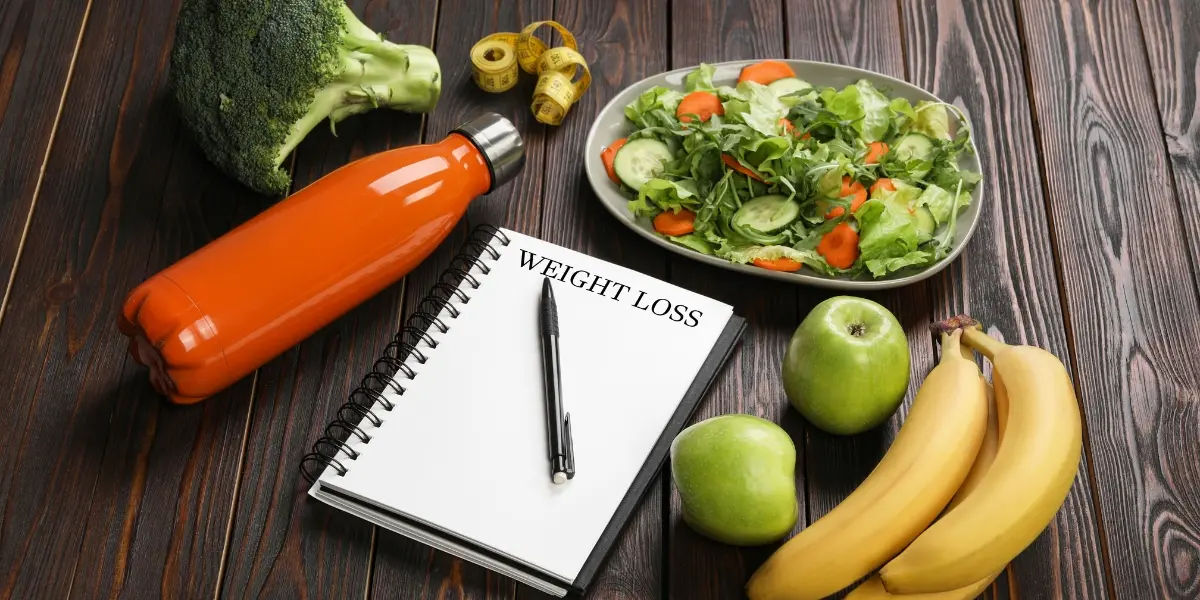
Feeling hungry shortly after eating can make weight loss feel like an uphill battle. I have found that lasting success depends less on eating tiny portions and more on filling my plate with foods that naturally satisfy my appetite. The right foods help reduce cravings, make healthy eating easier, and remove the constant temptation to snack between meals.
I no longer judge a meal by how few calories it contains. Instead, I pay attention to how long it keeps me satisfied. A meal that leaves me comfortably full for several hours is far more valuable than one that is low in calories but has me searching the kitchen an hour later.
Protein Should Be the Centerpiece of Every Meal
Protein is one of the most satisfying nutrients I can include in my diet. It takes longer to digest than many processed foods and helps reduce hunger while supporting muscle maintenance during weight loss. That combination makes it one of the most effective tools for staying in a calorie deficit without constantly feeling deprived.
Chicken breast, turkey, lean beef, fish, eggs, Greek yogurt, cottage cheese, tofu, and legumes are all excellent protein sources. Rotating these foods throughout the week keeps meals interesting while providing a wide range of nutrients. Even simple meals become much more filling when protein is the main ingredient rather than an afterthought.
I also try to spread my protein intake throughout the day instead of eating most of it in one meal. This helps control hunger more consistently and provides a steady supply of amino acids that support recovery and overall health.
Eggs Deliver Lasting Satisfaction
Eggs have earned a permanent place in my meal plan because they are affordable, versatile, and highly satisfying. They provide high-quality protein along with healthy fats that help slow digestion and keep hunger under control. A breakfast built around eggs often keeps me full much longer than sugary cereals or pastries.
I enjoy eggs in many different ways, including omelets filled with vegetables, scrambled eggs, boiled eggs for quick snacks, or poached eggs served alongside whole-grain toast. Changing the preparation method prevents boredom while making it easier to eat them regularly.
Pairing eggs with vegetables or whole grains creates an even more balanced meal. The additional fiber helps increase fullness while supplying important vitamins and minerals.
Oats Provide Slow, Steady Energy
Oats are one of my favorite breakfast foods because they digest gradually and provide long-lasting energy. Their high fiber content slows digestion, helping me stay satisfied well into the afternoon instead of reaching for snacks a couple of hours after breakfast.
Plain rolled oats are especially useful because they can be customized with protein-rich toppings like Greek yogurt or a scoop of protein powder. Fresh fruit, cinnamon, or a handful of berries add natural sweetness without relying on excessive amounts of sugar.
I avoid heavily sweetened instant oatmeal whenever possible. Many flavored varieties contain added sugars that reduce the benefits of what is otherwise one of the most filling breakfast options available.
Potatoes Are More Filling Than Many People Think
Potatoes often receive an unfair reputation during weight loss discussions. In reality, plain potatoes are among the most satisfying carbohydrate foods available. They provide fiber, potassium, vitamin C, and complex carbohydrates that help maintain steady energy levels.
I usually bake, boil, or air fry potatoes instead of deep frying them. Preparing them with minimal added fat keeps calories reasonable while allowing me to enjoy generous portions. Pairing potatoes with lean protein and vegetables creates a meal that keeps hunger under control for hours.
Sweet potatoes offer similar benefits while adding extra vitamin A and a slightly sweeter flavor. Including both varieties throughout the week keeps meals interesting and nutritionally balanced.
Greek Yogurt Makes an Excellent Snack
Greek yogurt is one of the easiest ways to increase protein intake without spending much time preparing food. Its thick texture and high protein content make it far more filling than many flavored yogurts or sugary desserts. It also contains calcium and probiotics that support overall health.
I usually buy plain Greek yogurt and add fresh fruit or a small amount of honey when I want extra sweetness. This gives me greater control over the sugar content while still producing a satisfying snack.
Greek yogurt also works well as part of breakfast or even as a healthier replacement for sour cream in certain recipes. Its versatility makes it easy to include in almost any meal plan.
Beans and Lentils Keep Hunger Away
Beans and lentils combine two powerful hunger-fighting nutrients: protein and fiber. This combination slows digestion and helps maintain stable blood sugar levels, making meals much more satisfying than refined carbohydrates alone.
Black beans, kidney beans, chickpeas, lentils, and navy beans can be added to soups, salads, stews, rice dishes, or wraps. They are inexpensive, easy to store, and provide valuable nutrients such as iron, magnesium, and folate.
I enjoy including legumes in meals because they increase volume without dramatically increasing calories. Their rich texture also makes plant-based meals feel hearty and satisfying.
Vegetables Add Volume Without Excess Calories
Vegetables allow me to eat large portions while keeping calorie intake under control. Their high water and fiber content create fullness without making meals excessively energy dense. Filling half my plate with vegetables helps me feel satisfied while naturally reducing the space available for higher-calorie foods.
Broccoli, cauliflower, spinach, cabbage, zucchini, carrots, cucumbers, green beans, peppers, tomatoes, and leafy greens are all excellent choices. Mixing different colors throughout the week also increases the variety of vitamins and antioxidants in my diet.
Roasting, grilling, steaming, or stir-frying vegetables with herbs and spices keeps them flavorful. A little creativity in preparation makes it much easier to enjoy them consistently.
Fruit Helps Control Sweet Cravings
Fruit satisfies my sweet tooth while providing fiber, vitamins, minerals, and plenty of water. Unlike many processed desserts, whole fruit digests more slowly and leaves me feeling satisfied rather than encouraging another round of cravings.
Apples, pears, oranges, berries, bananas, and grapefruit all work well in a balanced meal plan. Apples and pears are particularly filling because they contain large amounts of fiber that slow digestion.
I prefer eating whole fruit instead of drinking fruit juice. Juice removes much of the fiber while making it easy to consume large amounts of sugar in a short period.
Healthy Fats Increase Meal Satisfaction
Healthy fats deserve a place in any sustainable weight loss plan because they improve both flavor and fullness. Meals containing moderate amounts of healthy fat often leave me satisfied for much longer than meals made entirely from carbohydrates.
Avocados, almonds, walnuts, pistachios, chia seeds, flaxseeds, olive oil, and natural peanut butter all provide beneficial fats along with valuable nutrients. Since these foods are calorie dense, I simply pay attention to portion sizes instead of avoiding them.
Adding a small serving of healthy fat to a balanced meal creates a more enjoyable eating experience. Feeling satisfied after eating reduces the urge to continue snacking throughout the day.
Whole Grains Help Maintain Steady Energy
Whole grains digest more slowly than refined grains because they retain their natural fiber. That slower digestion helps prevent rapid spikes and crashes in blood sugar that often lead to hunger shortly after eating.
Brown rice, quinoa, barley, whole-grain bread, whole-wheat pasta, and bulgur all fit comfortably into a healthy meal plan. Pairing these carbohydrates with protein and vegetables creates balanced meals that provide lasting energy.
I avoid treating carbohydrates as the enemy. Instead, I focus on eating quality sources in sensible portions while building meals around overall balance.
Drinking Enough Water Supports Fullness
Sometimes what feels like hunger is actually mild dehydration. I have noticed that staying properly hydrated helps reduce unnecessary snacking and makes it easier to recognize genuine hunger. Drinking water before meals can also increase feelings of fullness without adding calories.
Water remains my first choice throughout the day, although unsweetened tea and black coffee also contribute to daily fluid intake. Keeping a reusable water bottle nearby reminds me to drink consistently instead of waiting until I feel thirsty.
Hydration works best alongside a balanced diet rather than replacing food. Proper fluid intake simply supports the body’s natural appetite signals and overall health.
Conclusion
Staying full for longer is one of the simplest ways to make weight loss easier. Instead of constantly fighting hunger, I focus on building meals around foods that naturally satisfy my appetite while providing the nutrients my body needs. That strategy makes healthy eating feel far more sustainable than relying on willpower alone.
Foods that keep you feeling full for longer include protein-rich foods, fiber-packed vegetables, whole grains, legumes, fruit, healthy fats, and plenty of water. Combining these foods into balanced meals helps reduce cravings, stabilize energy levels, and make long-term weight loss much easier to maintain. Over time, those small daily choices create habits that support lasting results rather than temporary success.