Easy Ways to Reduce Added Sugar
Sugar is everywhere. It appears in obvious places like cakes, cookies, and soft drinks, but it also hides in foods that many people assume are healthy, including breakfast cereals, flavored yogurt, pasta sauces, and salad dressings. I have learned that reducing added sugar does not mean giving up everything I enjoy. It simply means becoming more aware of where it comes from and making smarter choices most of the time.
One of the biggest surprises for me was realizing that small amounts of added sugar from several foods can quickly add up throughout the day. By making a few simple adjustments to my eating habits, I was able to lower my sugar intake without feeling deprived. These changes were easy to maintain because they focused on balance instead of strict rules.
Know the Difference Between Natural and Added Sugar
Not all sugar is the same. Natural sugars are found in foods like fruit, vegetables, and milk, which also provide fiber, vitamins, minerals, and other valuable nutrients. Added sugars, on the other hand, are included during processing or preparation to improve flavor or texture.
An apple contains natural sugar along with fiber that slows digestion and helps keep me full. A sugary soft drink may contain a similar amount of sugar, but it offers little nutritional value while providing calories that do not satisfy hunger.
Understanding this difference helped me stop fearing naturally sweet foods while paying closer attention to products with unnecessary added sugars.
Read Nutrition Labels
One of the easiest habits I have developed is checking nutrition labels before buying packaged foods. Many products that appear healthy can contain surprising amounts of added sugar.
I pay attention to both the nutrition facts panel and the ingredient list. Ingredients such as cane sugar, corn syrup, high-fructose corn syrup, honey, molasses, agave syrup, and fruit juice concentrate all contribute added sugar in many packaged foods.
Spending a few extra seconds reading labels allows me to compare similar products and select the option with less added sugar without sacrificing quality.
Replace Sugary Drinks
Sugary drinks are one of the largest sources of added sugar in many diets. Soft drinks, sweetened teas, energy drinks, flavored coffees, and fruit-flavored beverages can add hundreds of calories without making me feel full.
Replacing these drinks with water, sparkling water, unsweetened tea, or black coffee has been one of the simplest changes I have made. If I want extra flavor, I add slices of lemon, lime, cucumber, or fresh berries to my water.
Reducing liquid sugar often has a bigger impact than giving up an occasional dessert because beverages are easy to consume quickly without noticing how much sugar they contain.
Eat More Whole Foods
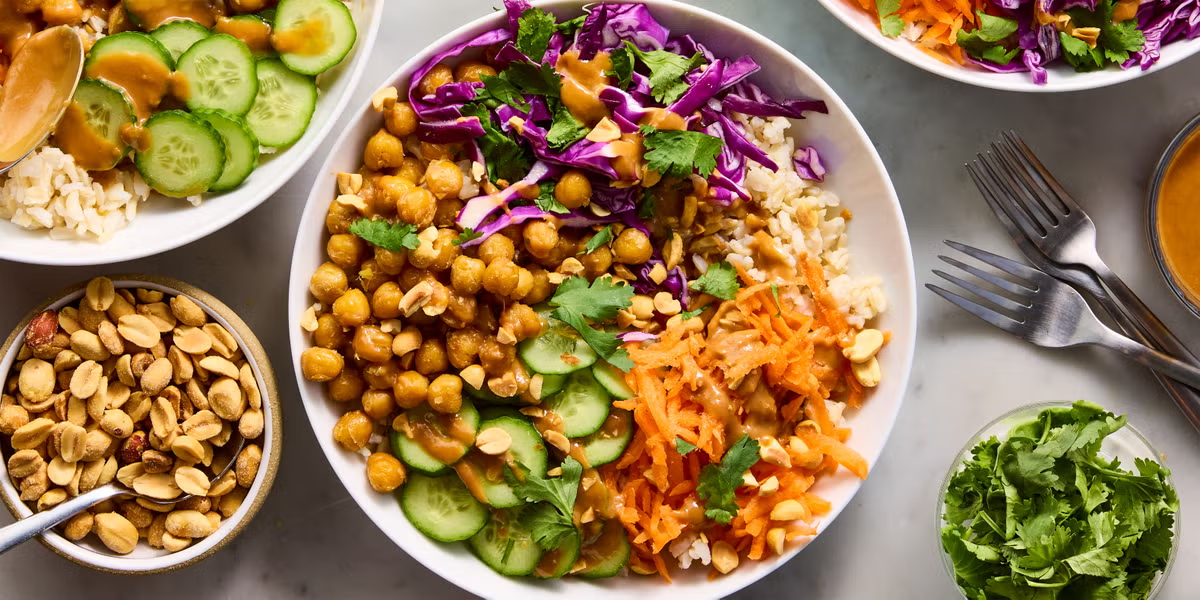
The more whole foods I include in my meals, the less room there is for highly processed foods that often contain added sugar. Fresh vegetables, fruit, lean protein, whole grains, legumes, nuts, and seeds naturally provide nutrients without relying on added sweeteners.
Building meals around whole foods also helps me stay satisfied for longer. Protein and fiber reduce hunger, making it easier to avoid sugary snacks between meals.
Healthy eating becomes much simpler when nutritious foods make up most of my grocery cart.
Choose Plain Dairy Products
Flavored yogurt and sweetened dairy products often contain far more added sugar than people realize. I usually buy plain Greek yogurt and add fresh fruit, cinnamon, or a handful of berries instead.
This gives me control over the sweetness while increasing the nutritional value of my snack or breakfast. The natural sweetness from fruit is often more than enough once my taste buds adjust.
The same idea applies to oatmeal. Instead of buying flavored instant packets, I prepare plain oats and add fruit, nuts, or spices for flavor.
Cut Back Gradually
One mistake I avoided was trying to eliminate all added sugar overnight. Making extreme changes often creates strong cravings that are difficult to sustain.
Instead, I gradually reduced the amount of sugar I added to coffee, tea, or homemade recipes. Over time, my taste buds adjusted, and foods that once seemed normal began to taste much sweeter than before.
Small reductions are often easier to maintain because they feel less restrictive and become part of everyday habits.
Snack Smarter
Many packaged snack foods are loaded with added sugar even when they appear healthy. Granola bars, flavored trail mixes, fruit snacks, and some protein bars can contain more sugar than expected.
I now keep healthier snacks within easy reach. Fresh fruit, Greek yogurt, boiled eggs, nuts, vegetables with hummus, or cottage cheese satisfy hunger while providing valuable nutrients.
Having nutritious options available reduces the temptation to grab sugary convenience foods whenever I feel hungry.
Cook More Meals at Home
Preparing meals at home has given me much greater control over the amount of sugar in my diet. Restaurant meals and packaged foods often include added sugar to enhance flavor, even in savory dishes.
Cooking from scratch allows me to season meals with herbs, spices, garlic, onions, lemon juice, and other natural ingredients instead of relying on sugary sauces or ready-made mixes.
Home cooking does not have to be complicated. Even simple meals made from fresh ingredients usually contain far less added sugar than highly processed alternatives.
Be Careful With Condiments
Sugar is not limited to desserts. Many condiments contain surprisingly large amounts of added sugar, including ketchup, barbecue sauce, sweet chili sauce, salad dressings, and certain marinades.
I still enjoy these foods, but I use smaller amounts or compare brands to find options with less added sugar. Sometimes making simple homemade dressings with olive oil, vinegar, herbs, and spices is an even better alternative.
These small adjustments reduce sugar intake without dramatically changing the flavor of my meals.
Satisfy Sweet Cravings Naturally
Cravings are completely normal, and I do not believe they should always be ignored. Instead of reaching for candy or pastries every time I want something sweet, I often choose naturally sweet foods first.
Fresh fruit, frozen grapes, baked apples with cinnamon, or Greek yogurt topped with berries provide sweetness while supplying fiber, vitamins, and minerals. These foods satisfy my cravings without the large amounts of added sugar found in many desserts.
Allowing myself occasional treats also helps me avoid feeling restricted. Healthy eating works best when it includes flexibility rather than strict deprivation.
Focus on Progress Instead of Perfection
Reducing added sugar does not require eliminating every sweet food from my life. Birthdays, holidays, vacations, and celebrations are meant to be enjoyed, and having dessert occasionally does not ruin a healthy lifestyle.
What matters most is what I do consistently. If most of my meals are built around nutritious whole foods, occasional treats become part of a balanced eating pattern instead of a daily habit.
This mindset has helped me maintain healthier eating habits for the long term. Progress is far more sustainable than trying to achieve perfection every single day.
Conclusion
Easy ways to reduce added sugar begin with simple, practical habits rather than extreme restrictions. Reading nutrition labels, replacing sugary drinks, eating more whole foods, preparing meals at home, selecting plain dairy products, and making smarter snack choices can significantly reduce added sugar intake without making healthy eating feel difficult.
I have found that small changes repeated consistently produce the greatest results. Instead of trying to eliminate sugar completely, I focus on making better choices most of the time while still enjoying my favorite treats in moderation. That balanced approach is one I can maintain for years, making it far more effective than any short-term diet.