The Difference Between Processed and Whole Foods
Walk through any supermarket and you will quickly notice that food comes in every imaginable form. Fresh vegetables sit beside frozen meals, whole fruits share shelf space with fruit-flavored snacks, and plain oats compete with sugary breakfast cereals. It is easy to become confused about which foods truly support good health and which ones should be eaten less often.
I have found that one of the simplest ways to improve my diet is to understand the difference between processed and whole foods. Once I stopped focusing on trendy diets and started paying attention to the quality of the foods on my plate, making healthier choices became much more straightforward. The goal is not to eliminate every processed food but to build most meals around foods that are as close to their natural state as possible.
What Are Whole Foods?
Whole foods are foods that remain close to the way they are found in nature. They are either completely unprocessed or have undergone very little processing without losing most of their natural nutrients. These foods provide vitamins, minerals, fiber, protein, and healthy fats that the body needs to function properly.
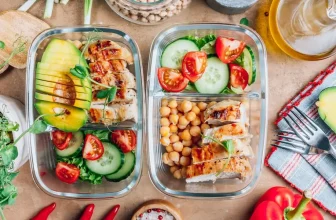
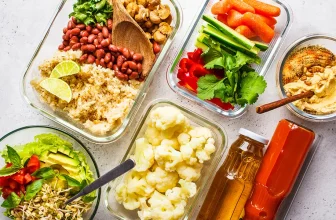
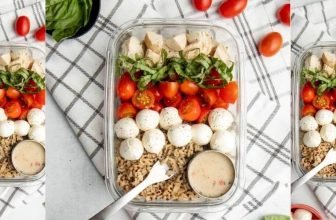
Fresh fruits, vegetables, eggs, fish, lean meat, beans, lentils, nuts, seeds, oats, brown rice, and plain yogurt are all excellent examples of whole foods. They provide nourishment without relying on long lists of added ingredients or artificial flavorings.
I enjoy building my meals around these foods because they naturally provide balanced nutrition while keeping me full for longer. They also give me greater control over what goes into my meals.
What Are Processed Foods?
Processed foods are foods that have been changed from their original form before reaching the consumer. Processing can include freezing, cooking, drying, canning, grinding, fermenting, or adding ingredients such as sugar, salt, oils, preservatives, and flavorings.
Not all processing is harmful. Frozen vegetables, canned beans, plain frozen fruit, rolled oats, and pasteurized milk are processed, yet they remain nutritious choices. These products simply undergo processing that improves safety, convenience, or shelf life without significantly reducing their nutritional value.
The biggest concern usually involves highly processed foods that contain large amounts of added sugar, refined grains, unhealthy fats, sodium, and artificial ingredients. These foods are often designed to be extremely convenient and highly appealing, making it easy to eat more than intended.
Whole Foods Usually Contain More Nutrients
One reason I prioritize whole foods is because they naturally contain a wide range of nutrients that work together to support good health. Fruits and vegetables provide vitamins, minerals, antioxidants, and fiber, while lean proteins supply essential amino acids that support muscle maintenance and recovery.
Whole grains offer complex carbohydrates that provide steady energy throughout the day instead of causing rapid spikes and crashes in blood sugar. Nuts and seeds contribute healthy fats that support heart health and hormone production.
Eating a variety of whole foods helps ensure my body receives the nutrients it needs without depending heavily on supplements or fortified products.
Whole Foods Help Control Hunger
One of the biggest advantages of whole foods is how satisfying they are. Protein, fiber, and water naturally found in whole foods slow digestion and help me stay full between meals. That makes it easier to avoid unnecessary snacking and maintain a healthy calorie intake.
For example, eating an apple with a handful of almonds keeps me satisfied much longer than eating a package of cookies with a similar number of calories. The same principle applies to meals built around lean protein, vegetables, and whole grains.
Feeling full for longer reduces the temptation to constantly search for snacks. This makes weight management much more sustainable over time.
Highly Processed Foods Are Easy to Overeat
Many highly processed foods are designed to be convenient, inexpensive, and incredibly flavorful. Chips, candy, pastries, sugary breakfast cereals, fast food, and soft drinks often combine large amounts of sugar, salt, and fat in ways that encourage overeating.
I have noticed that these foods rarely leave me feeling satisfied for very long. Instead, they often increase cravings and make it easier to consume hundreds of extra calories without realizing it.
That does not mean I completely avoid these foods. I simply recognize that they are best enjoyed occasionally rather than forming the foundation of my daily diet.
Convenience Does Not Always Mean Unhealthy
One common misconception is that all convenience foods should be avoided. I have learned that many minimally processed foods can actually make healthy eating easier during busy weeks.
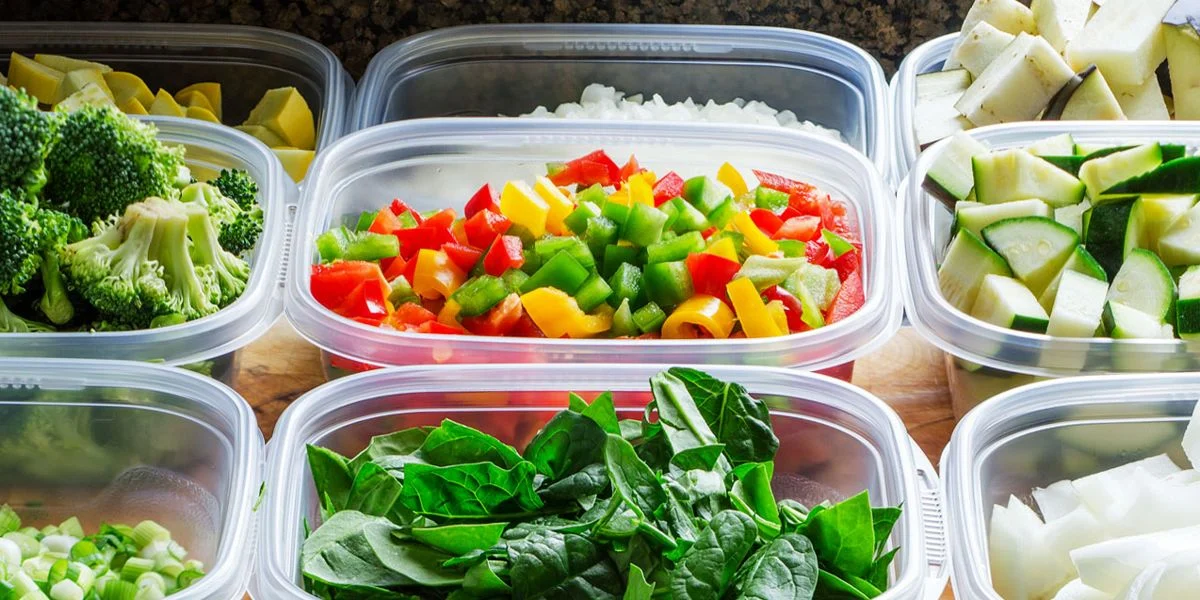
Frozen vegetables, canned tuna, canned beans, plain Greek yogurt, frozen berries, bagged salad mixes, and pre-cut vegetables all save valuable time while still providing excellent nutrition. These foods allow me to prepare balanced meals even when my schedule becomes hectic.
Using convenient but nutritious ingredients helps me stay consistent instead of relying on fast food or highly processed snacks when I am short on time.
Read the Ingredient List
One habit that has improved my grocery shopping is reading ingredient lists before buying packaged foods. Whole food products usually contain relatively short and recognizable ingredient lists. Highly processed foods often contain numerous added sugars, refined oils, preservatives, artificial flavors, and other ingredients that I would not normally use in my own kitchen.
I do not panic when I see unfamiliar ingredients because some are perfectly safe and serve important purposes. However, reading the ingredient list gives me a much clearer understanding of what I am actually eating.
This simple habit helps me compare products and identify options that better align with my nutrition goals.
Balance Is Better Than Elimination
I no longer believe that healthy eating requires completely eliminating processed foods. Trying to follow strict food rules often makes healthy living feel stressful and difficult to maintain. Instead, I aim to build most of my meals around whole foods while allowing room for convenience and occasional treats.
This balanced approach helps me enjoy social events, restaurant meals, holidays, and favorite snacks without feeling guilty. Flexibility makes healthy eating much more sustainable because it fits naturally into everyday life.
Rather than chasing perfection, I focus on making good choices consistently. That mindset has produced far better long-term results than any restrictive diet I have tried.
Practical Ways to Eat More Whole Foods
Increasing whole food intake does not require changing everything overnight. Small adjustments can make a meaningful difference over time. Replacing sugary breakfast cereal with oats, choosing fruit instead of candy, adding extra vegetables to dinner, or cooking more meals at home are all simple changes that improve overall nutrition.
I also keep healthy staples readily available in my kitchen. Fresh fruit, vegetables, eggs, beans, whole grains, Greek yogurt, nuts, and lean proteins make it easier to prepare balanced meals without much planning.
The more accessible healthy foods become, the more naturally they become part of my daily routine.
Healthy Eating Is About Patterns
No single meal determines whether my diet is healthy or unhealthy. Eating pizza on Friday night does not erase a week of nutritious meals, just as one salad cannot undo months of poor eating habits. Long-term health is shaped by consistent patterns rather than isolated decisions.
I focus on what I eat most of the time instead of worrying about occasional indulgences. That approach removes unnecessary pressure while allowing me to enjoy food without guilt.
Healthy eating becomes much easier when I stop aiming for perfection and start building habits that I can maintain for years. Consistency matters far more than following rigid food rules.
Conclusion
The difference between processed and whole foods is not as simple as labeling one category good and the other bad. Whole foods generally provide more nutrients, fiber, and lasting satisfaction, making them an excellent foundation for a healthy diet. At the same time, many minimally processed foods offer convenience without sacrificing nutritional value.
Instead of trying to eliminate every processed food, I focus on filling most of my plate with fruits, vegetables, lean proteins, whole grains, legumes, nuts, and healthy fats. This balanced approach makes healthy eating practical, enjoyable, and sustainable while supporting long-term weight management and overall well-being.