Why Your Diet Isn’t Working (And How to Fix It)

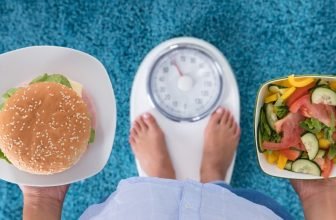
Watching the number on the scale refuse to move can be one of the most frustrating experiences in the world of health and fitness. Few things are more discouraging than putting in consistent effort, saying no to your favorite foods, spending hours exercising, and still feeling like your body is working against you. I have seen this happen countless times, and almost every time the problem has very little to do with willpower.
Most diets fail because they focus on temporary restrictions instead of sustainable habits. The body is incredibly adaptive, and it responds to consistency far more than short bursts of perfection. Once I began looking beyond calories alone and started paying attention to behavior, recovery, nutrition quality, and realistic expectations, everything changed. That shift is exactly what I want to share in this guide on why your diet isn’t working and how to fix it.
You Are Eating More Than You Think
One of the biggest surprises I discovered was how easy it is to underestimate food intake. A spoonful of peanut butter here, a handful of nuts there, cooking oils, sugary coffee drinks, and weekend treats can quietly add hundreds of calories without feeling significant. Most people are not intentionally overeating; they are simply unaware of how much these small additions contribute.
Portion sizes have also become much larger than many people realize. Restaurant meals often contain enough calories for two or even three servings, yet they are presented as a single plate. Even healthy foods like avocados, granola, dried fruit, and olive oil can push daily calories well beyond what is needed for fat loss if portions are not monitored.
I always recommend tracking food honestly for at least one or two weeks. The goal is not to obsess over numbers forever but to build awareness. Once I started measuring portions instead of guessing, I found it much easier to identify hidden calories that had been slowing my progress.
Your Diet Is Too Restrictive
Many diets promise rapid results by eliminating entire food groups or drastically cutting calories. While these plans may produce quick weight loss initially, they often create intense hunger, low energy, and overwhelming cravings. That combination rarely lasts long before people return to old eating habits.
I have learned that sustainability matters far more than perfection. If a meal plan leaves me constantly thinking about food, avoiding social events, or counting the days until the diet ends, it is not a long-term solution. Successful nutrition should fit naturally into daily life instead of feeling like punishment.
Adding flexibility often produces better results than adding more restrictions. Including favorite foods occasionally makes healthy eating feel enjoyable rather than stressful. A balanced approach is far easier to maintain for months than an extreme plan that lasts only a few weeks.
You Are Not Eating Enough Protein
Protein plays a much bigger role than simply building muscle. It helps preserve lean mass during weight loss, supports recovery after exercise, and keeps hunger under control throughout the day. Without enough protein, maintaining a calorie deficit becomes much more difficult because appetite tends to increase.
I noticed a dramatic improvement in my own hunger levels after increasing protein intake. Meals became more satisfying, energy remained steadier, and I found it much easier to avoid unnecessary snacking between meals. Those small improvements added up over time and made sticking to my nutrition plan feel effortless.
Good protein sources include lean poultry, fish, eggs, dairy products, beans, lentils, tofu, and lean cuts of beef. Spreading protein across multiple meals also helps maximize satiety and supports muscle maintenance during a weight loss phase.
Your Weekend Habits Are Erasing Your Progress
Many people stay disciplined from Monday through Friday only to undo nearly an entire week’s calorie deficit over the weekend. Restaurant meals, desserts, alcohol, and larger portions can easily add thousands of extra calories before Monday arrives. It often feels like a reward, but it quietly slows long-term progress.
I never believe one weekend meal ruins a diet, but repeated weekends of overeating certainly can. Fat loss depends on the average calorie intake across weeks rather than individual days. Looking at the bigger picture helps explain why progress sometimes stalls despite healthy weekday habits.
Instead of treating weekends as a break from healthy eating, I prefer treating them as slightly more flexible versions of my normal routine. Enjoying favorite foods in moderation allows me to maintain consistency without feeling deprived.
Your Exercise Is Not Matching Your Nutrition
Many people overestimate the number of calories they burn during exercise. A challenging workout certainly contributes to overall health, but it is surprisingly easy to eat back those calories within minutes. Rewarding every workout with high-calorie treats often cancels out much of the energy burned.
I have found that nutrition creates the foundation of fat loss while exercise enhances the results. Strength training helps preserve muscle, cardio improves cardiovascular health, and regular movement increases daily energy expenditure. Together they support a healthy lifestyle, but they cannot consistently overcome excessive calorie intake.
Daily movement outside the gym also deserves attention. Walking more, taking stairs, standing instead of sitting, and staying active throughout the day often contribute more to long-term calorie expenditure than a single workout session.
Poor Sleep Is Working Against You
Sleep rarely receives the attention it deserves in weight loss discussions. Poor sleep increases hunger hormones while reducing the hormones responsible for feeling satisfied. That combination makes unhealthy food choices much harder to resist the following day.
I have experienced how even one or two nights of poor sleep can increase cravings for sugary snacks and highly processed foods. Workouts feel more difficult, motivation declines, and sticking to healthy habits requires significantly more effort. It becomes clear that recovery is just as important as training.
Developing a consistent bedtime routine can make an enormous difference. Limiting screen time before bed, maintaining a regular sleep schedule, and creating a cool, dark sleeping environment all support better recovery and improve overall diet adherence.
You Expect Results Too Quickly
Social media has created unrealistic expectations about the speed of weight loss. Transformation photos often highlight months or years of consistent effort while making it appear as though dramatic changes happened overnight. Comparing real progress to edited online content often leads to disappointment.
I remind myself that healthy fat loss is rarely dramatic from one week to the next. Some weeks the scale barely moves despite doing everything correctly. Water retention, hormonal changes, sodium intake, and digestive contents can all temporarily influence body weight without affecting actual fat loss.
Progress becomes much easier to appreciate by tracking more than the scale alone. Progress photos, body measurements, improved strength, better endurance, and clothing fit all provide valuable evidence that positive changes are taking place.
Stress Is Quietly Affecting Your Results
Chronic stress influences far more than mental well-being. Elevated stress levels often increase emotional eating, reduce motivation to exercise, disrupt sleep quality, and make healthy decisions feel much harder than usual. Even the best nutrition plan becomes difficult to follow when stress is consistently high.
I have learned that managing stress does not require eliminating every challenge from life. Small daily habits like walking outdoors, practicing mindfulness, reading, stretching, or spending time with supportive people create noticeable improvements in both mood and consistency.
Reducing stress also improves decision-making around food. Instead of reacting emotionally to difficult days, I find it easier to stick with balanced meals and maintain healthy routines that support long-term goals.
You Keep Starting Over Instead of Staying Consistent
One mistake I see repeatedly is treating every setback as a reason to restart completely. One unhealthy meal becomes an unhealthy weekend, which turns into an unhealthy month because the mindset shifts from progress to perfection. That cycle prevents lasting success more than any individual food choice.
I no longer judge success by whether every meal is perfect. I judge it by how quickly I return to healthy habits after making a less-than-perfect decision. Consistency always beats perfection because real life includes celebrations, holidays, vacations, and unexpected challenges.
Healthy eating is not built on flawless execution. It is built on making good decisions more often than poor ones and repeating those choices long enough for them to become part of everyday life.
Fix Your Diet by Fixing Your Habits
Anyone searching for answers about why your diet isn’t working often expects a hidden trick or revolutionary strategy. In reality, the solution is usually much simpler than advertised. Honest calorie awareness, adequate protein, better sleep, regular movement, realistic expectations, and consistent habits create results that fad diets rarely deliver.
I have learned that successful weight loss is not about suffering through impossible restrictions or chasing perfection. It is about building a routine that works on ordinary days, busy days, stressful days, and weekends alike. Once healthy habits become automatic, progress feels less like a constant battle and more like a natural consequence of the lifestyle I have built.
If your results have stalled, resist the urge to abandon your plan completely. Instead, identify one or two areas that need improvement and focus your energy there. Small adjustments, repeated consistently over time, often produce the biggest transformation, proving that why your diet isn’t working is usually a question with a practical and achievable answer.